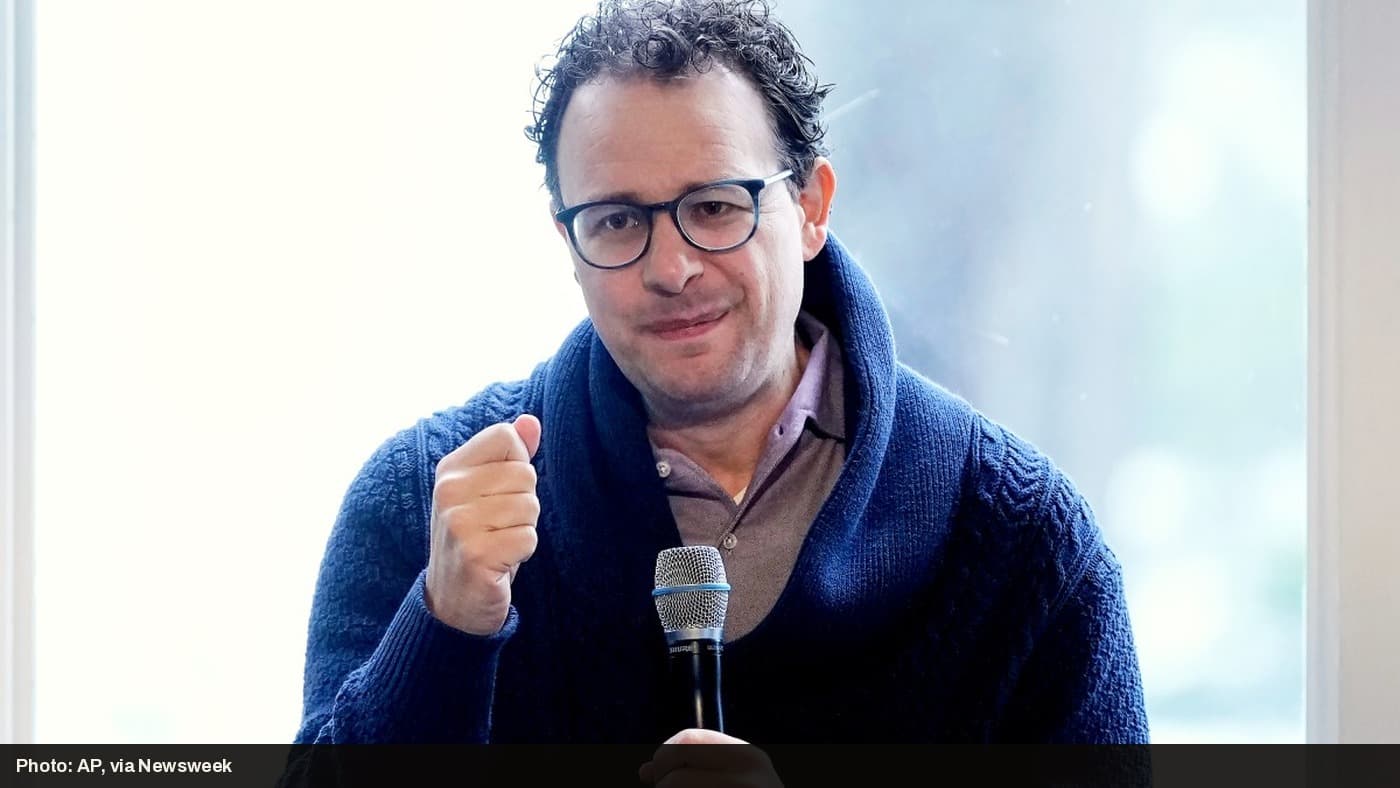
Bill Gates spent decades telling the world AI would change everything for the better. This week, in his most pointed warning yet, he says he is no longer sure the world is ready for how fast that change is coming — or who might weaponize it along the way.
What Gates Actually Said
On August 26, Gates published a roughly 6,000-word essay on his Gates Notes website titled "The turbulent AI era is here. The choices we make now are critical," and gave a rare television interview to CNN's Anderson Cooper alongside an hour-long sit-down with The New York Times. His central claim: "Even under the best circumstances, the transition to this new AI era will be one of the most turbulent times in human history." He told CNN "the silence is what really drove me to speak out at this point" — meaning his own reluctance, and the industry's, to talk openly about AI's downsides is what pushed him to write the essay now.
Jobs: What He Warned, Not What He Predicted as Certain
Gates wrote that "many jobs will disappear forever" as AI capabilities advance — a warning about a possible trajectory, not a guaranteed outcome. His stated concern is less about the technology itself and more about the lack of preparation: "I don't see evidence that leaders, experts, and communities are confronting the challenges adequately. There is no plan to ease the entry into the AI era." To address it, he has proposed a category of work he calls "Human Reserved" — jobs society could deliberately choose to keep staffed by people rather than automating, specifically to protect workers who would struggle to retrain.
Bioterrorism and Cybercrime: The Security Risks He Flagged
Gates said AI models are "now capable of causing cyberattack risk, bioterrorism risk, and psychosocial risk." On bioterrorism specifically, he warned it could take only a small number of people with access to advanced AI tools to help design a dangerous new pathogen — a risk he frames as a possibility that demands new safeguards, not something already happening at scale. On cybercrime, he said AI is already lowering the skill bar for attackers, meaning even criminals with limited technical ability could soon target individuals, companies, and governments more effectively than before.

AI and Human Relationships
Gates also raised a subtler concern beyond jobs and security: that AI could "stunt our kids' development" if children grow up relying on AI companions and tools in ways that reduce real human interaction and social skill-building. This is part of what he grouped under "psychosocial risk" in his CNN interview — a warning about long-term social effects, not a claim that this is already measurably happening.
His Proposed Fixes
Beyond "Human Reserved" jobs, Gates is calling for new national coordinating bodies and a new international institution specifically to manage the AI transition, plus stronger support systems for displaced workers. He has also floated taxing AI tokens and robots — similar in concept to payroll taxes — to help fund retraining programs and social protections. He stopped short of calling for a halt to AI development but said he would support a credible global agreement to slow its pace if one were realistically achievable.
The Optimistic Half of His Message
Gates was explicit that this isn't a doom-only message. He wrote that "AI will either be the greatest equalizer ever invented, or the worst source of injustice" — framing the outcome as a genuinely open question that depends on the choices made now, not a technology destined for harm. He has separately pointed to AI-driven advances in medicine, including faster drug and vaccine development, as a real, positive upside of the same technology he's warning about.
What We Know vs. What's Unconfirmed
CONFIRMED: Gates published the essay and gave the CNN and New York Times interviews this week (August 26). CLAIM (Gates' own allegation, not independently verified by IF Daily): that tech industry executives are knowingly downplaying AI's risks because of the money at stake. WARNING, not prediction: the job losses, bioterrorism, cyberattack, and child-development risks are all things Gates says could happen absent better preparation — he does not claim any of them are current, confirmed outcomes.
Latest Reaction
Coverage has been immediate and widespread — CNN, Fortune, CNBC, Newsweek and others all published pieces the same day. At least one AI expert quoted in follow-up coverage has pushed back specifically on Gates' prescriptions (like Human Reserved jobs and AI taxation) even while broadly agreeing with his diagnosis of the risks, suggesting the debate over what to actually do about it is far from settled.
Discuss
Gates spent his career building the technology industry he's now warning about. Does that make his warning more credible — or is he just the latest tech billionaire trying to shape rules for a race he helped start? Let us know what you think.