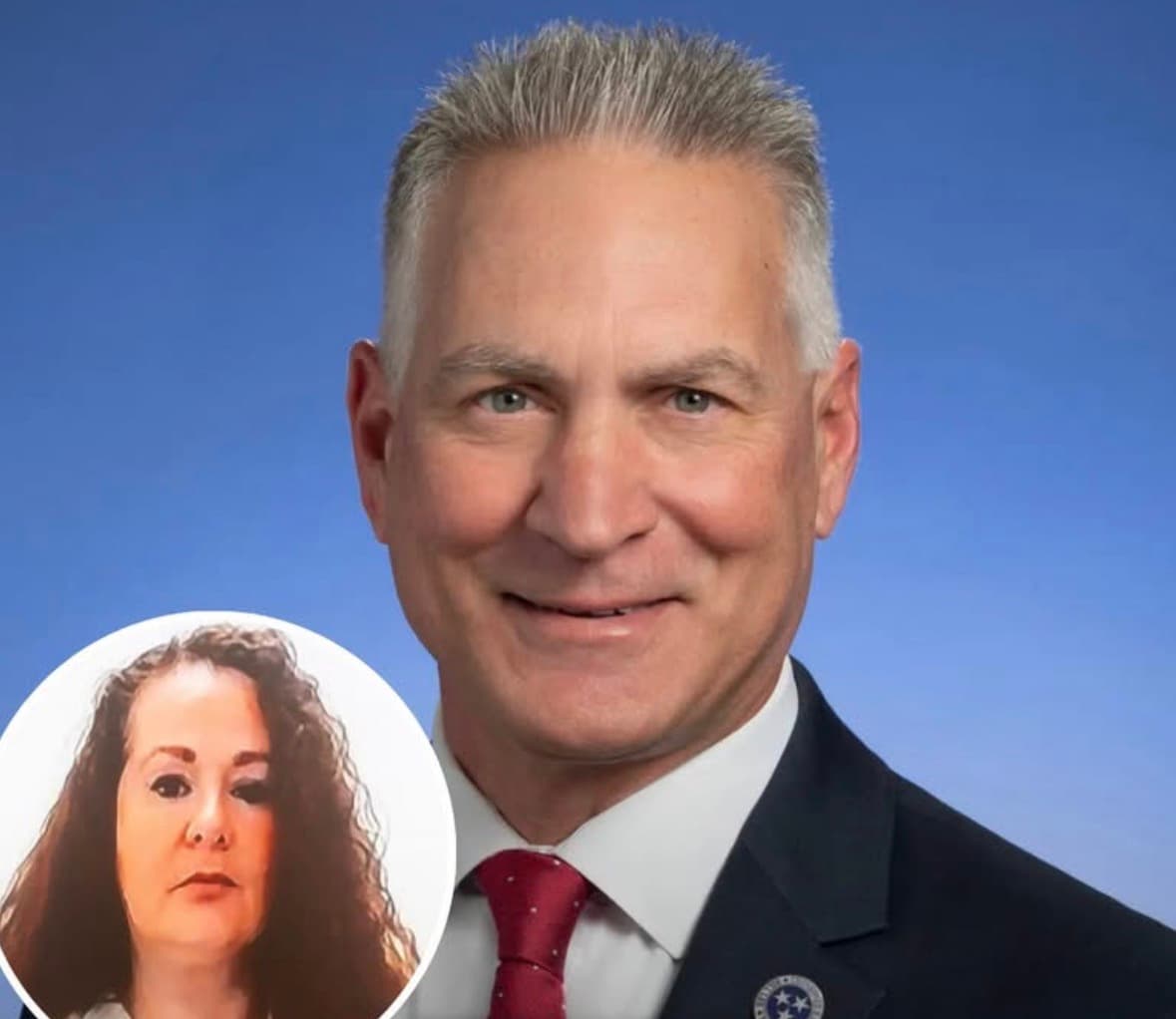
September 7 would have been Celeste Rivas Hernandez’s 16th birthday. Her parents spent it releasing a statement through their lawyer.
If the death penalty were activated, it would be perfect for this kind of human being — devoid of feelings, empty inside, and without conscience, who only caused pain to our daughter, our family, and the world that supports our precious daughter.
Statement from the family of Celeste Rivas Hernandez, released through their attorney
The family added that the decision “is not in our hands, but rather in God’s, and the California justice system.”
The person they were describing is David Anthony Burke, a 21-year-old musician who records as D4vd — pronounced “David.” Two of his songs, “Romantic Homicide” and “Here With Me,” broke out on TikTok before crossing over to radio and the streaming charts. He is now charged with murdering the 14-year-old whose body was found in his car.
How Celeste was found
On September 8, 2025, a worker at a tow yard in East Hollywood called Los Angeles police about a smell coming from an impounded Tesla Model X. Inside the front trunk, officers found a girl’s heavily decomposed remains. It took investigators more than a week to identify her.
Celeste Rivas Hernandez had been reported missing from Lake Elsinore, southeast of Los Angeles, in 2024, when she was 13. The Los Angeles County Medical Examiner ruled her death a homicide caused by “multiple penetrating injuries” — stab wounds to the torso. Investigators believe she was killed around April 2025, before her 15th birthday. The Tesla was registered to Burke.
The charges
Burke was arrested on April 16, 2026, at a house on Marmont Avenue in the Hollywood Hills. Four days later, the Los Angeles County District Attorney’s Office charged him with first-degree murder, continuous sexual abuse of a child under 14, and unlawful mutilation of human remains. He pleaded not guilty to all three.
Prosecutors attached “special circumstances” to the murder count — the findings that, under California law, make a defendant eligible for the death penalty or life without parole. They allege Burke killed Celeste while lying in wait, that he did it for financial gain to protect his music career, and that he killed her to keep her quiet, claiming she was connected to an investigation into sexual-abuse allegations against him. None of that has been proven in court. Burke has not been convicted, and his defense has not yet presented its case.
Where the case stands
In July, a five-day preliminary hearing was held before Judge Charlaine F. Olmedo. Deputy District Attorney Beth Silverman, who heads the DA’s Major Crimes Division, told the court prosecutors had gathered roughly 40 terabytes of evidence. Olmedo ruled there was enough to send the case to trial.
On August 31, Burke told the court he had let his private attorneys go and wanted a public defender instead. A pretrial hearing is set for October 19. No trial date has been scheduled.
The decision no one has made yet
The special-circumstances allegations make Burke eligible for a death sentence, but eligibility is not a decision. Prosecutors have said only that they will consider seeking it. District Attorney Nathan Hochman — who took office in late 2024 and reversed his predecessor George Gascón’s blanket refusal to pursue capital punishment — has not said which way his office will go.
A death sentence in California also does not currently lead to an execution. The state has not put anyone to death since 2006. In 2019, Governor Gavin Newsom declared a moratorium and had the execution chamber at San Quentin dismantled. Several hundred people remain on the state’s death row; none has a scheduled execution date.
That is the space the family’s statement occupies: a request for the harshest penalty the law allows, in a state that has not carried it out in almost 20 years, aimed at a prosecutor’s office that has not said whether it will even ask.
What happens next
The next hearing is October 19. If the case reaches a jury and Burke is convicted of first-degree murder with special circumstances, Hochman’s charging decision would determine whether jurors are later asked to choose between life without parole and a death sentence — and would pull California back into a long-running argument with itself about whether a punishment it no longer carries out should still be sought.
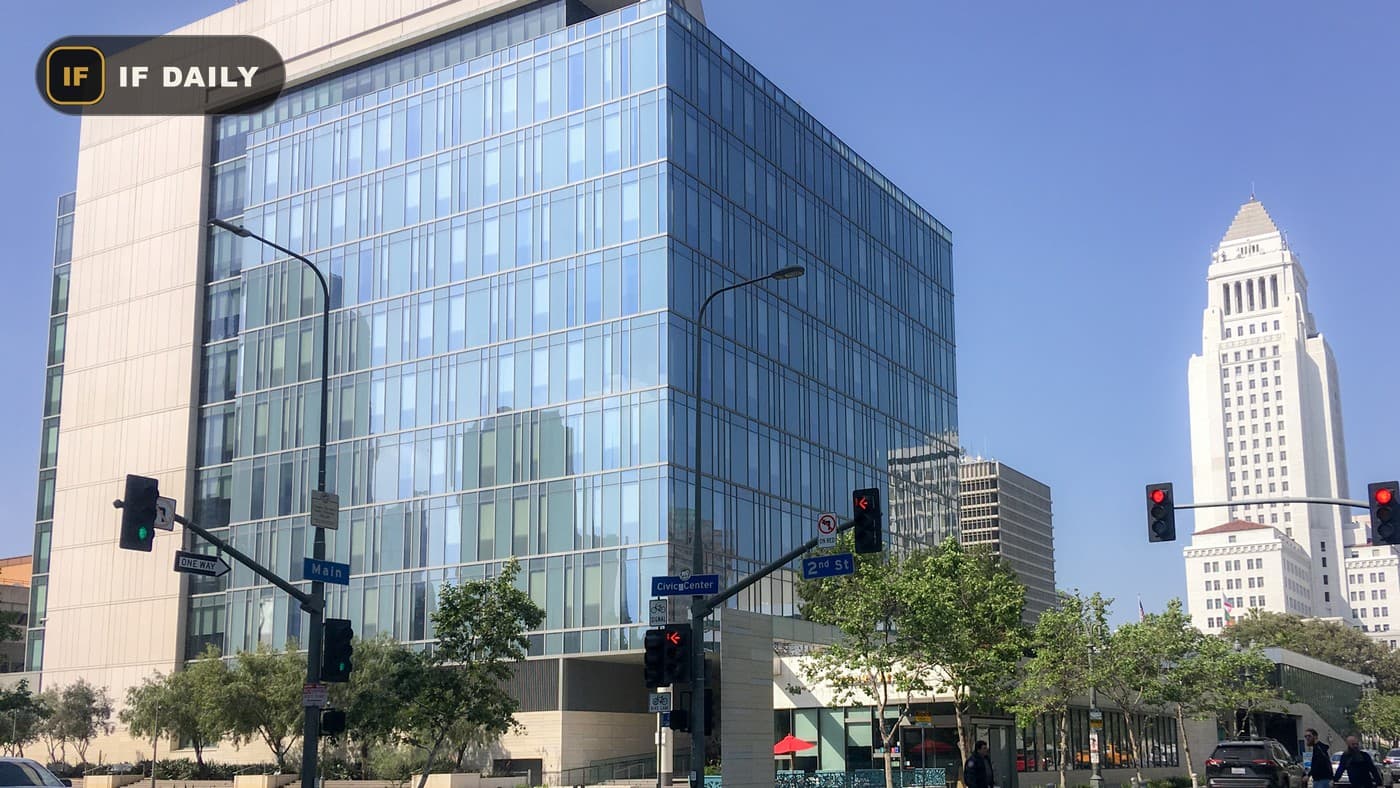
The photo above shows the Clara Shortridge Foltz Criminal Justice Center in downtown Los Angeles, where the case is being heard. IF Daily could not locate rights-cleared footage of the recent hearings at publication time.