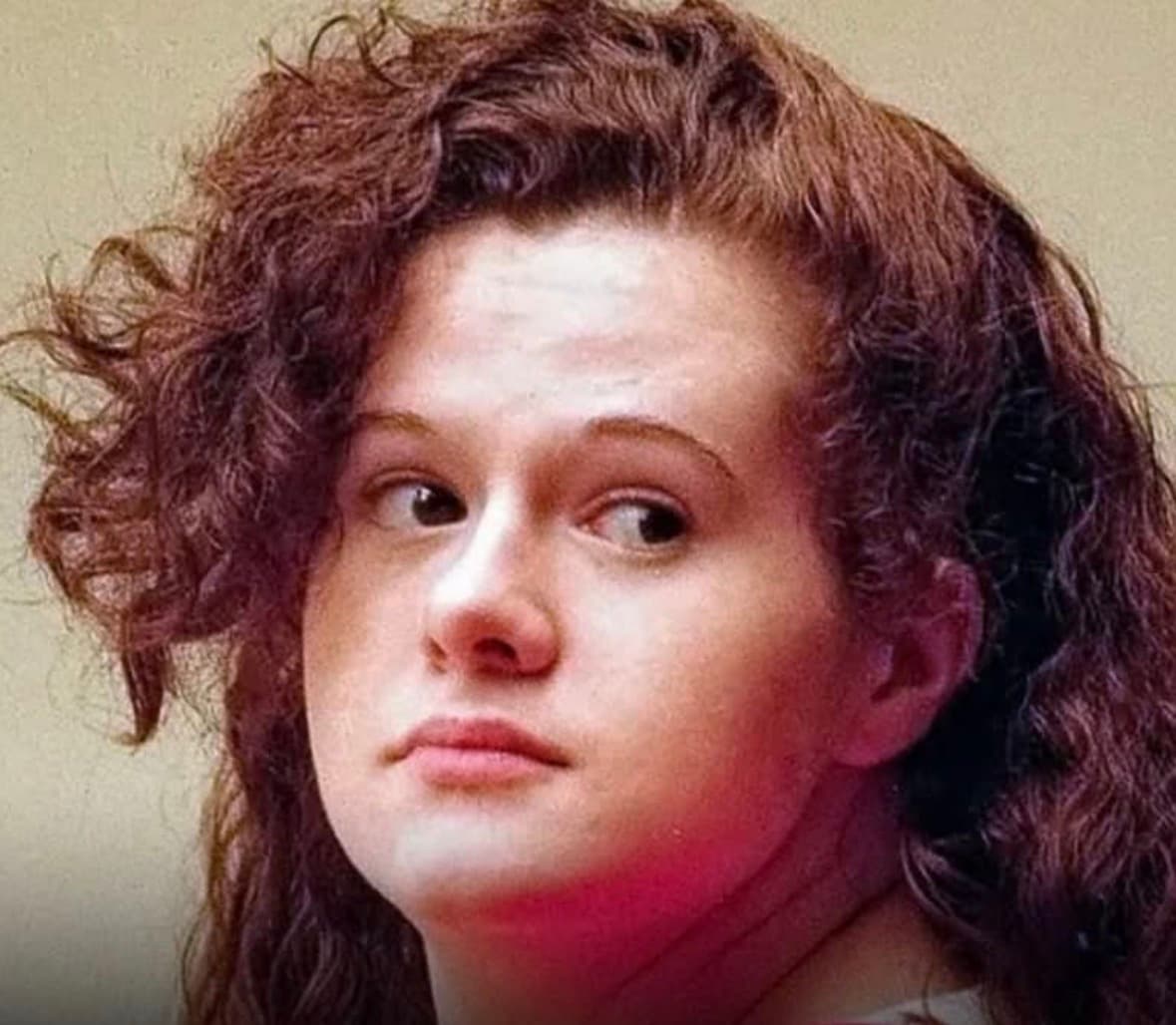
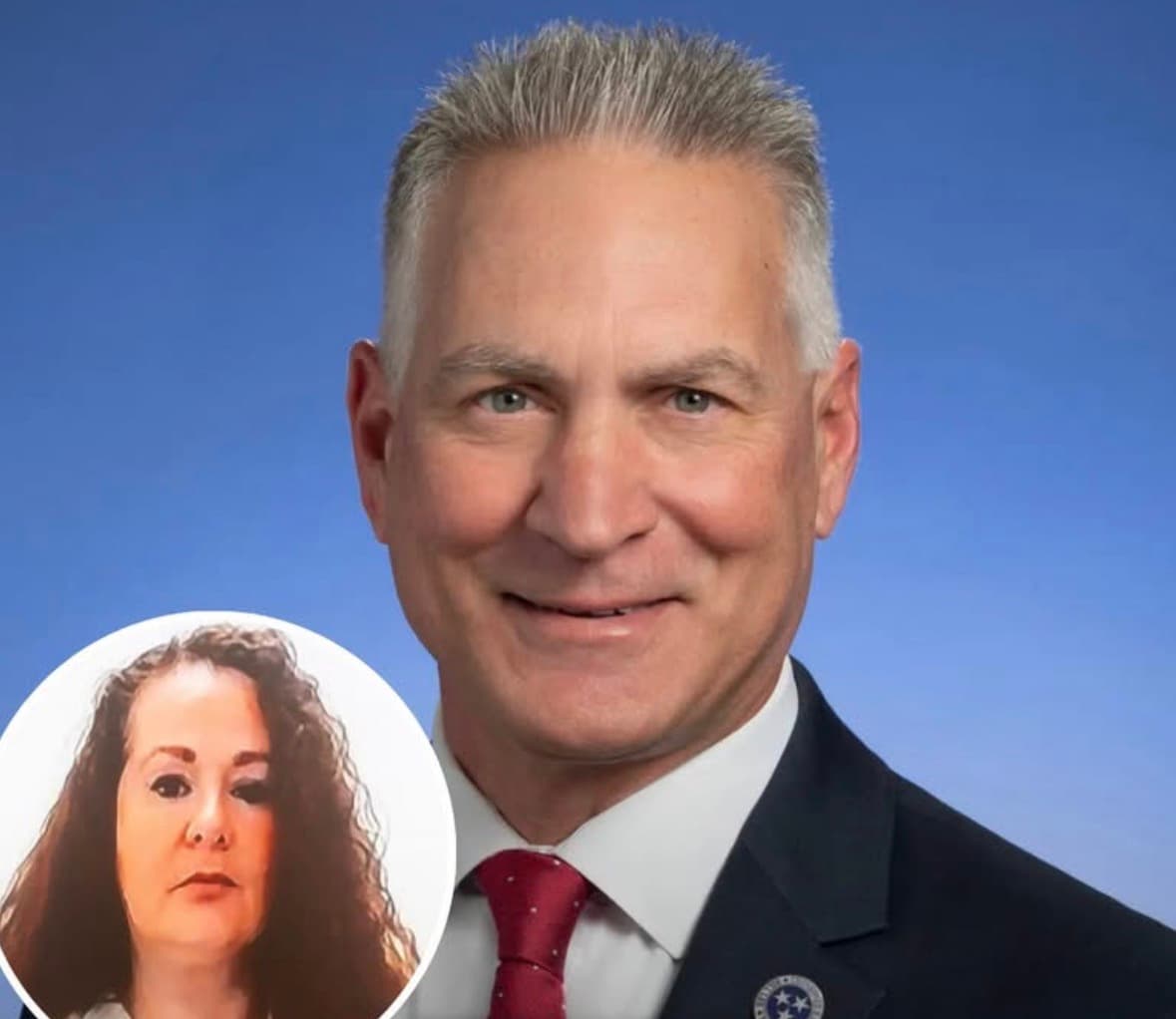
For a few hours Wednesday, Tennessee tried three times to answer one question: would Christa Pike become the state's first woman executed in more than 200 years? By Thursday morning, the answer was still unclear -- not because of a court ruling, but because the execution itself didn't go as planned.
Pike, 50, was scheduled to die by lethal injection Wednesday morning at Riverbend Maximum Security Institution in Nashville for the 1995 murder of 19-year-old Colleen Slemmer, a classmate at a Knoxville job training facility. Witnesses were already gathered when a federal appeals court stepped in -- and even after the U.S. Supreme Court cleared the way hours later, the execution still didn't go through.
A stay, then an unexplained reversal
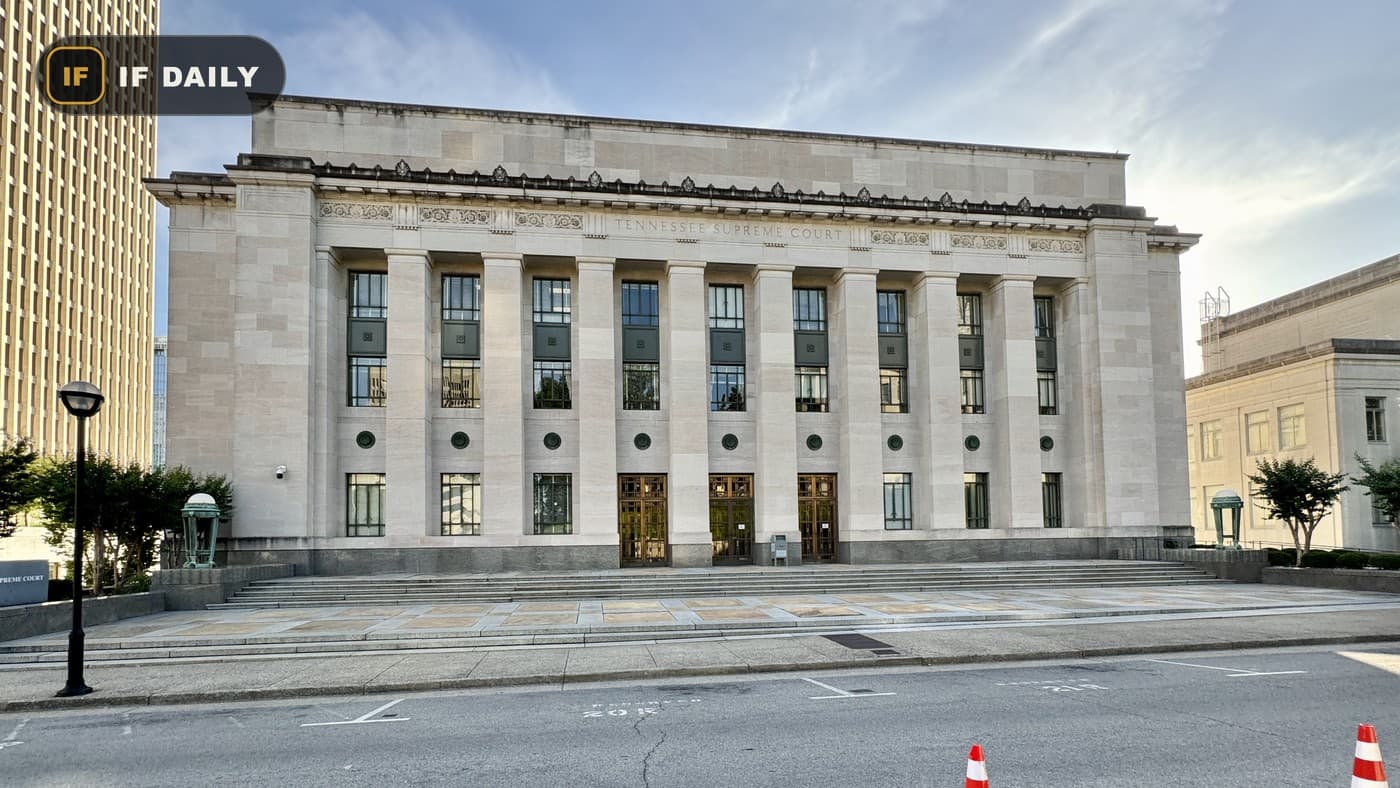
The 6th U.S. Circuit Court of Appeals voted 2-1 to stay the execution so it could review whether Pike's claims of childhood sexual abuse had been properly considered at her original sentencing. The U.S. Supreme Court later vacated that stay in a 6-3 vote, clearing the way for the execution to proceed before the death warrant expired at midnight. The majority did not explain its reasoning; Justices Sonia Sotomayor, Elena Kagan and Ketanji Brown Jackson dissented, with Sotomayor writing that the decision let Tennessee proceed before Pike's legal challenge had been fully considered by the appeals court.
What witnesses say happened next
According to witness accounts reported by NBC News, Pike told staff at 7:34 p.m. that "my arm feels like it's about to burst open." By 8:26 p.m., witnesses said both syringes of lethal injection chemicals had been administered -- and Pike was still alive and snoring. Execution-chamber curtains were lowered and raised multiple times over the following hour. An ambulance arrived at the prison and later left. Investigative producer John North, who was present, said: "It appeared that this did not go like they thought it was supposed to go." Reporter Tori Gessner, who has witnessed five Tennessee executions, said: "Nothing about today was normal or typical at all."
Where things stand
An emergency court filing from Pike's legal team said she had "not lost consciousness and still has a heartbeat." Her attorneys later said in a statement: "Tonight the State of Tennessee once again failed to carry out a lawful execution," pointing to "difficult vein access, blown veins, degraded pentobarbital, no emergency medical care available when things inevitably go wrong, all under a protocol that remains veiled in secrecy." The Tennessee Department of Correction had not issued a public statement on what went wrong as of this writing. Pike's legal team has filed an emergency motion asking the Tennessee Supreme Court to halt any further execution attempt, arguing she has already endured "unnecessary agony." It's not yet clear whether the state intends to seek a new execution date.
The case against her
Pike was 18 in January 1995 when she and then-boyfriend Tadaryl Shipp, 17, killed Slemmer, a fellow student at a Knoxville Job Corps facility. Shipp was sentenced to life with the possibility of parole; a third person involved became a prosecution witness and received probation. Pike has been on death row for more than 30 years. In a statement released before her scheduled execution, she wrote: "I am not afraid to die. I'm only nervous about the process." This is a developing story. IF Daily will update it as Pike's condition and the legal proceedings become clearer.