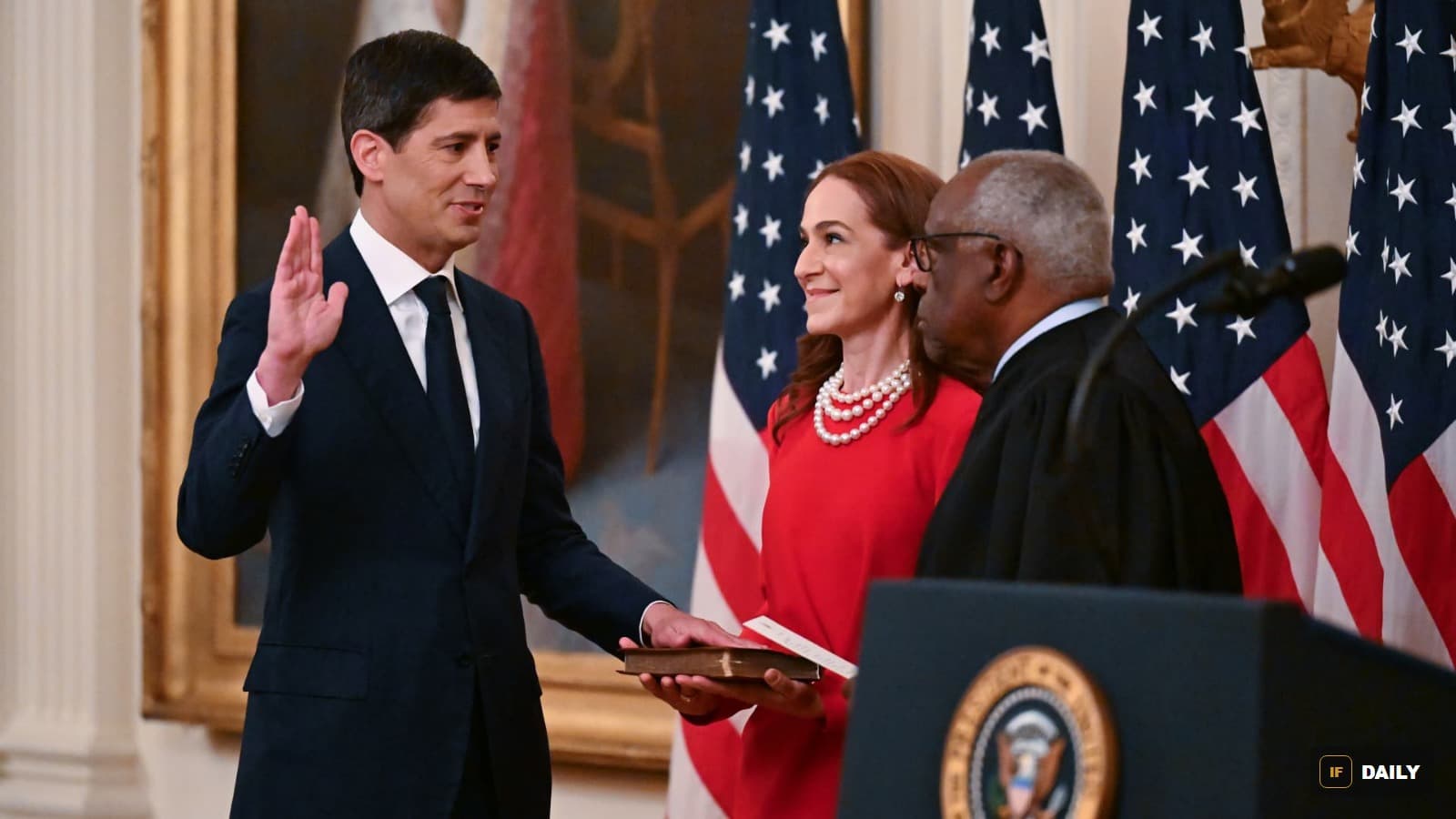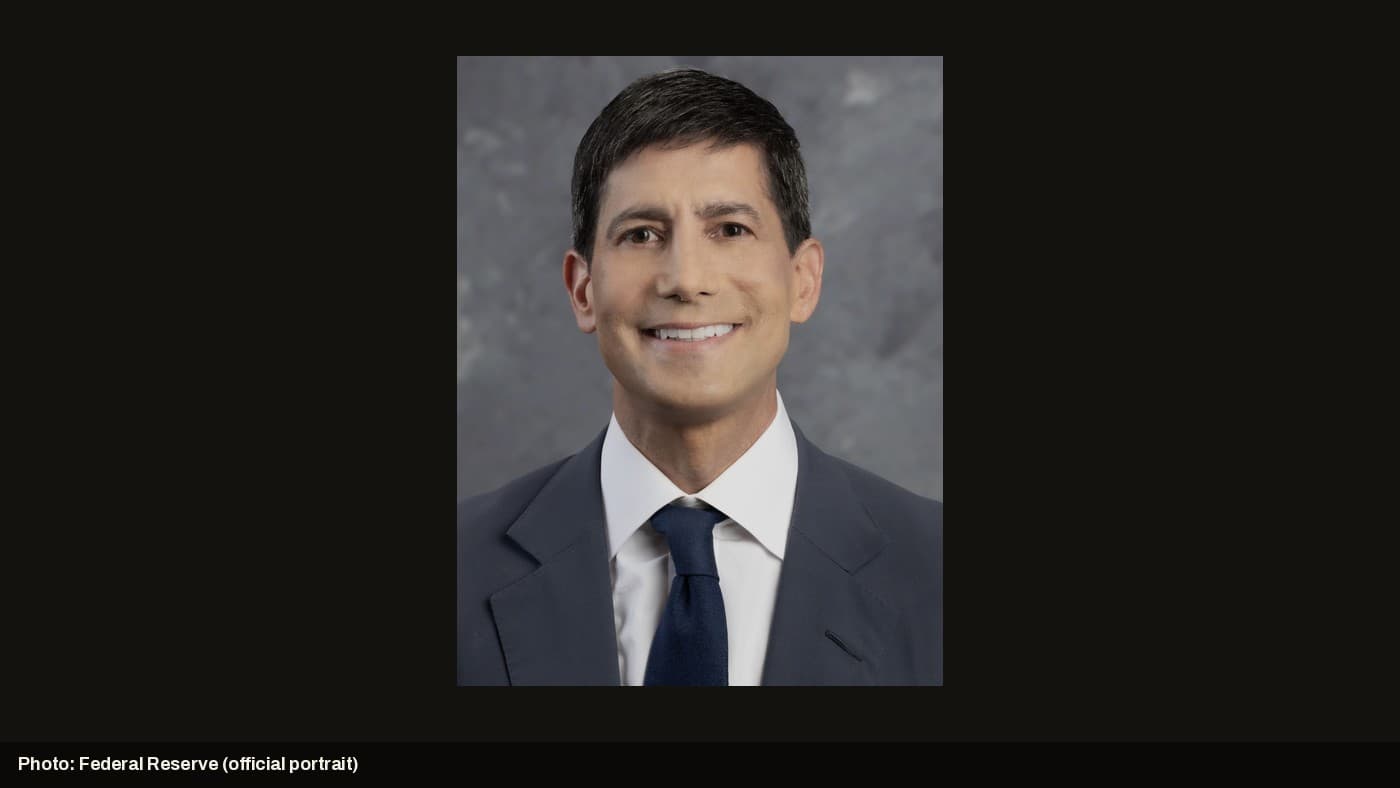
The Federal Reserve raised interest rates on Wednesday for the first time since July 2023, lifting its benchmark rate a quarter point to a range of 3.75% to 4%. The move ends more than two years in which the Fed had held rates steady or cut them, and signals that Chair Kevin Warsh and his colleagues are more worried about inflation than about slowing the economy down.
The Federal Open Market Committee voted 12-0 to approve the hike. In its statement, the committee said "inflation remains elevated," pointing to "stubborn inflation that has been driven recently by higher energy prices."
"Too High for Too Long"
Warsh was blunt about why the Fed moved now. "Inflation is too high and has been for too long," he said. "This summer's inflation readings do not tell me that underlying trends have meaningfully improved." He pointed to three factors driving the decision: a labor market that has stayed stronger than expected, inflation that hasn't meaningfully cooled, and geopolitical pressure on energy prices.
The numbers back him up. The Fed's preferred inflation gauge, the PCE index, is running around 3.6% — still nearly double the central bank's 2% target. Core PCE, which strips out food and energy, sits near 3.2%, and core CPI is at 2.4%.
The Shortest Press Conference on Record
Warsh's press conference after the decision ran about 30 minutes — the shortest since the Fed began holding regular post-meeting briefings in 2011. He gave reporters the numbers and the reasoning, then wrapped it up.
The committee's own projections suggest this isn't a one-time move. The median FOMC forecast now points to one more quarter-point hike before the end of 2026, and markets are pricing roughly even odds on another increase at the October meeting, with similar odds again in December.
What It Means
A rate hike makes borrowing more expensive across the board — mortgages, car loans, credit cards, business financing — which is exactly the point. Higher rates are the Fed's main tool for cooling demand and, in theory, prices. The tradeoff is a slower economy, and Wednesday's move is a bet that the inflation risk still outweighs that cost.