Automated license-plate cameras made by the company Flock Safety have quietly become one of the more potent political flashpoints of the 2026 midterm campaign, uniting lawmakers who agree on almost nothing else.
What the cameras do
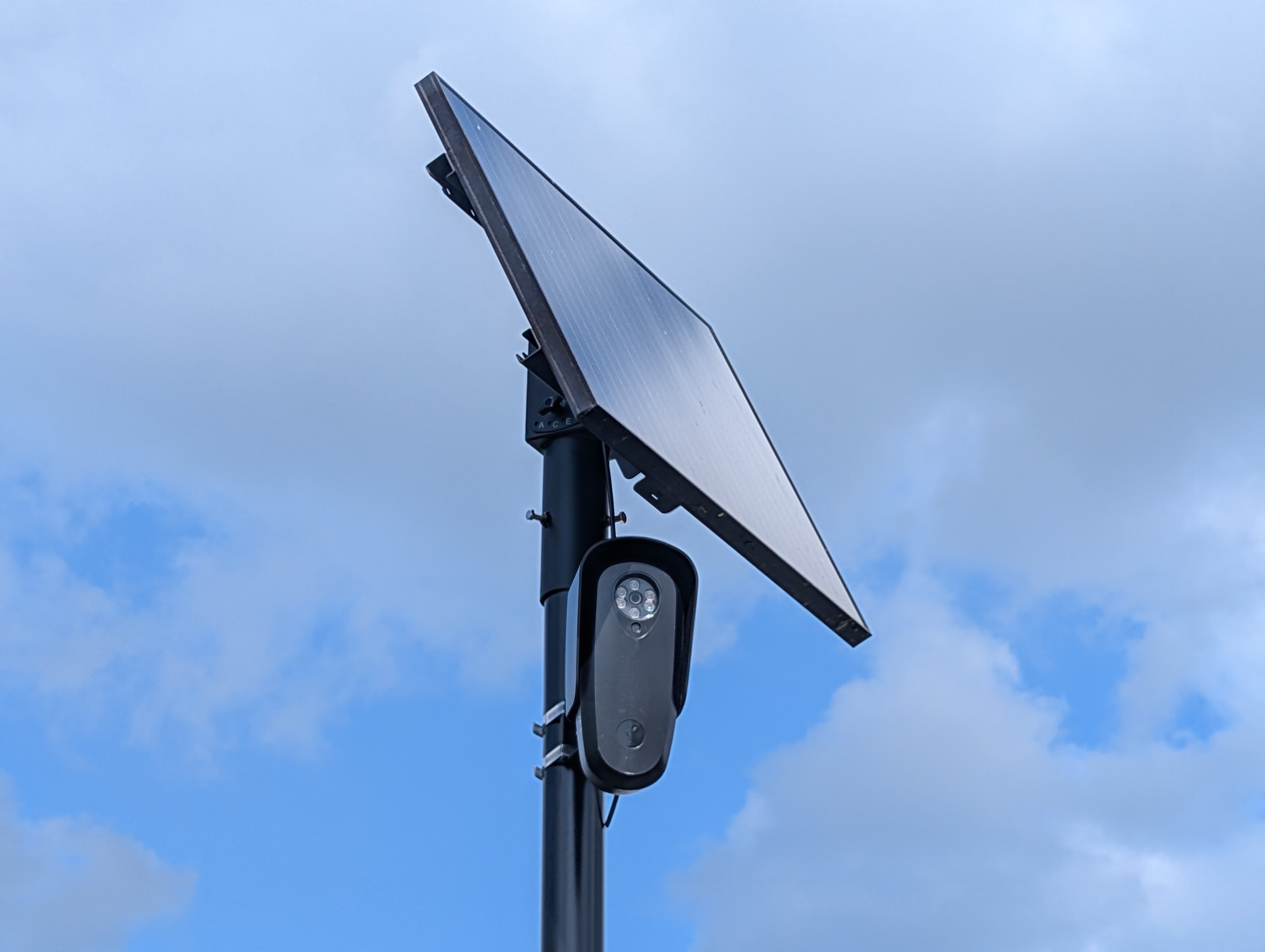
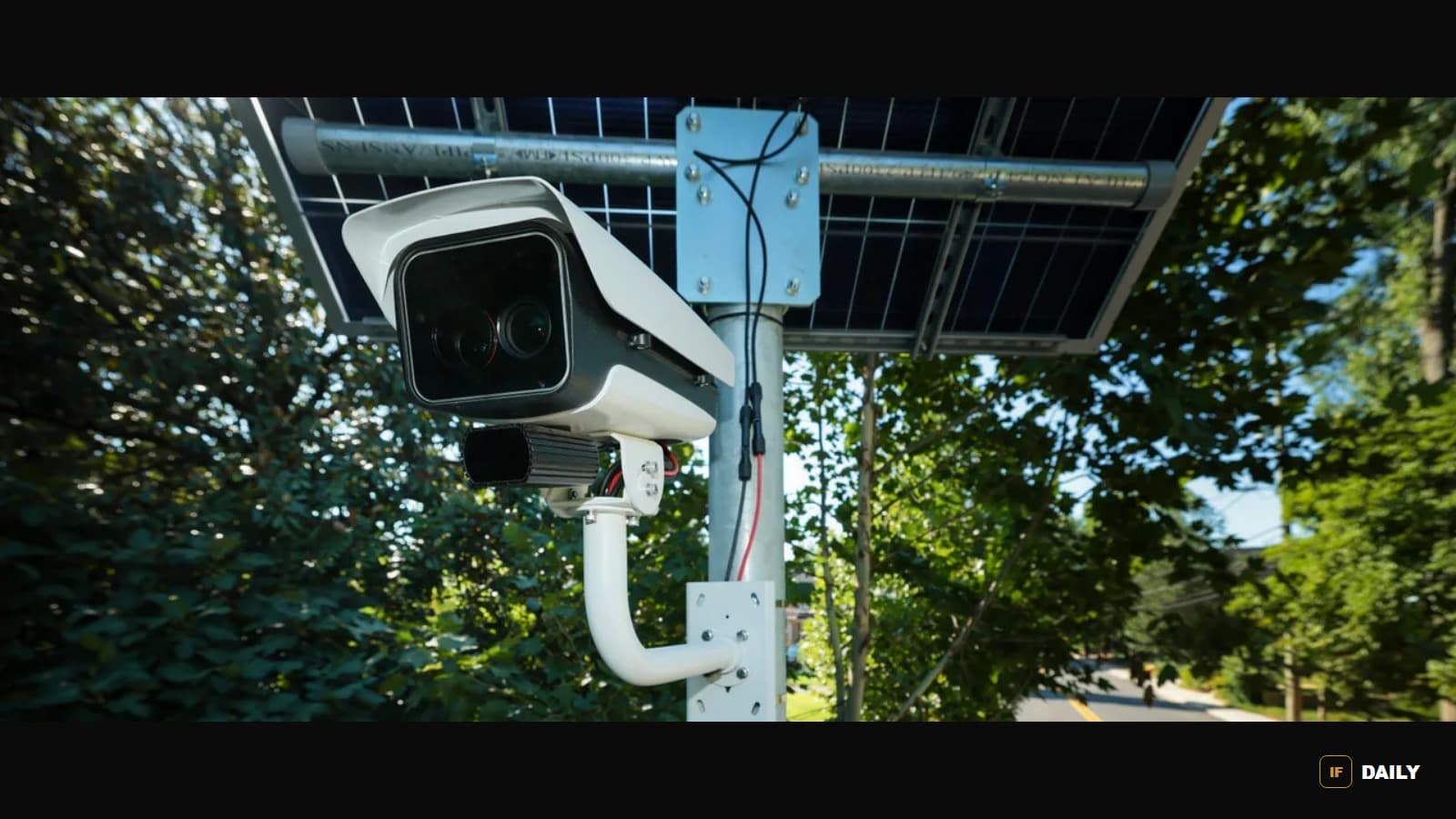
Flock's cameras photograph passing vehicles and log license plates, along with details like color, dents, bumper stickers and roof racks, feeding it all into a searchable database that police departments use to locate vehicles tied to investigations. According to the ACLU, up to 100,000 of the cameras are now deployed nationwide, part of a network the company says has assisted more than a million investigations.
Strange bedfellows
Republican Reps. Tim Burchett of Tennessee and Thomas Massie of Kentucky have both pushed federal legislation to curb Flock's deployment, with Burchett introducing the Protection Against Mass Surveillance Act in July to bar federal agencies from buying or using the cameras. Rep. Scott Perry of Pennsylvania said the cameras track "where law-abiding people" go, "how they live, all without a warrant." On the left, Sen. Bernie Sanders wrote that "Flock has installed nearly 100,000 cameras across America to track your every movement," and Michigan Senate candidate Abdul El-Sayed released a video attacking opponent Mike Rogers over a 2013 hearing quote: "You can't have your privacy violated if you don't know your privacy is violated, right?"
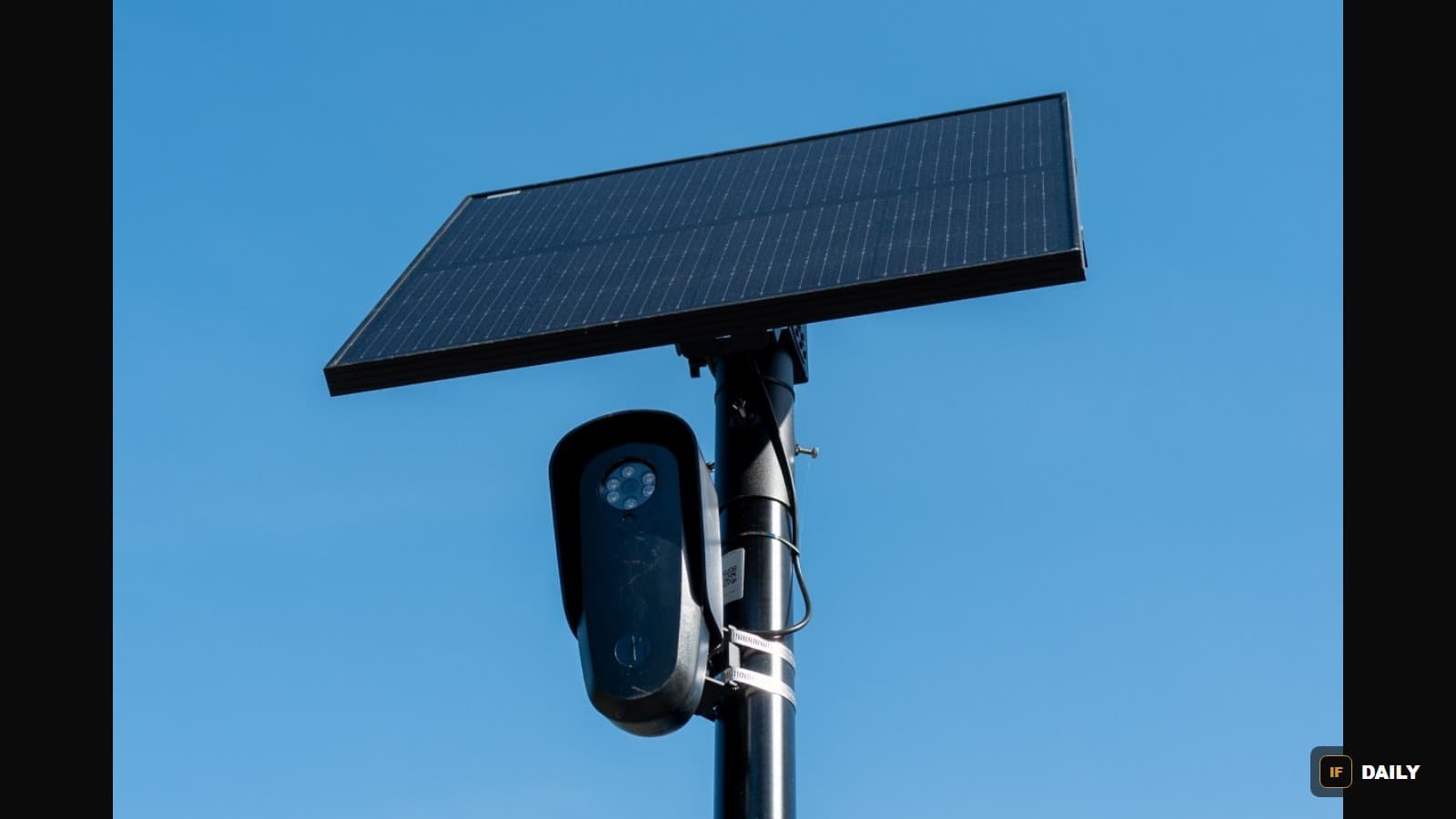
No bill has actually passed yet
Despite the rhetoric, no bill currently before Congress would ban the cameras outright. Flock CEO Garrett Langley has called for "compromise," telling reporters, "How do we have our safety, and how do we balance privacy?" The company says it has cut default data retention from 30 days to 7 and now requires case codes to access stored footage, though critics, including the ACLU, note that a feature called "Evidence Mode" lets police override those defaults, and question whether the changes amount to real reform or a public-relations response to the backlash.