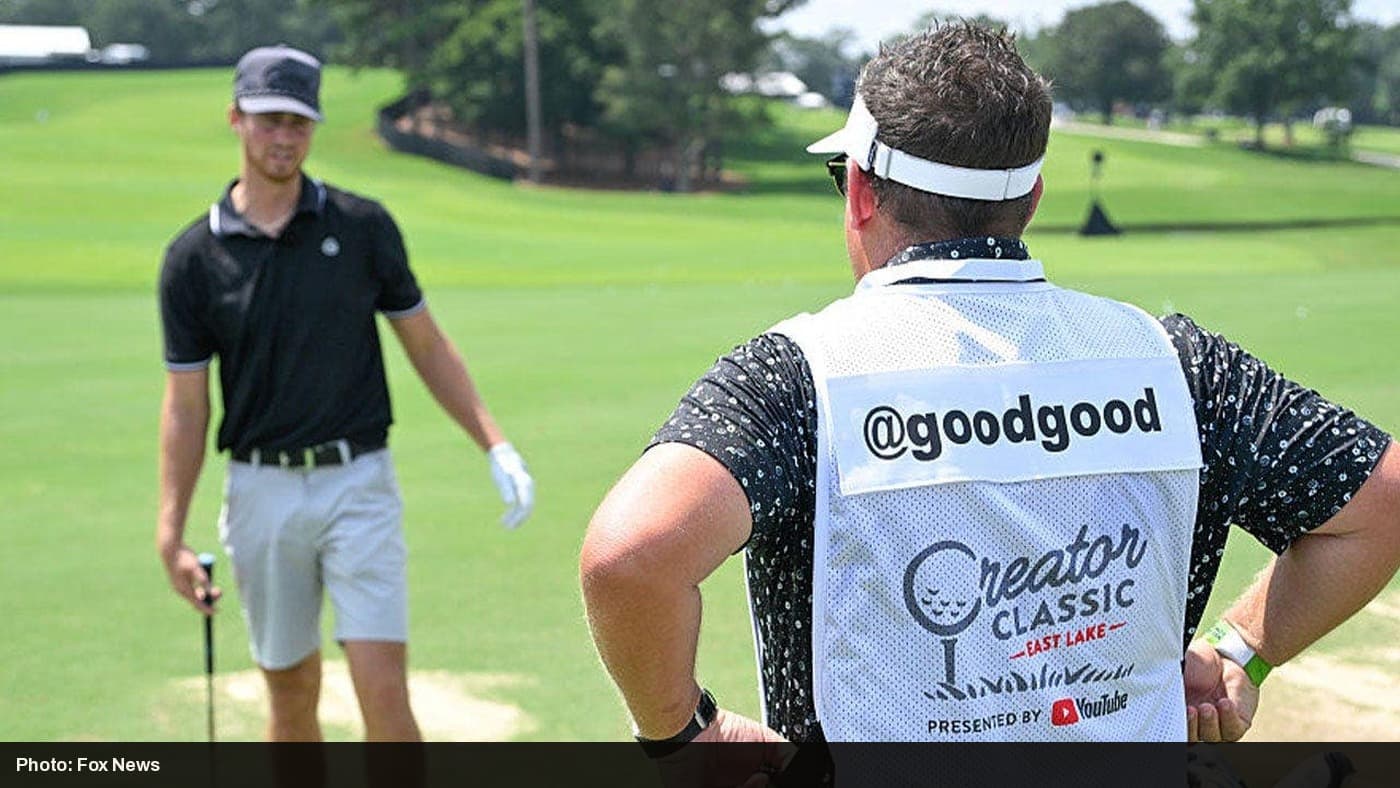
The ad was supposed to be a joke. In it, a male golfer shoves a female golfer to the ground when she tries to use his driver — a bit that Good Good Golf, the creator-led golf brand, later said was meant as a parody of the horror film "Obsession." Almost nobody watching it read it that way. Within days, two of the company's top executives were gone.
The co-branded spot, made with Callaway Golf, went up online, was criticized almost immediately for trivializing violence against women, and was pulled down. But the damage was already moving faster than the takedown.
Who Left
CEO Matt Kendrick resigned on September 2, 2026. President Joe Flannery left the same day. Good Good's vice president of brand and marketing, Jeffrey Lefkovits, was fired. On Callaway's side, a director of content and production, Alex Upegui, also departed. Co-founder Nahid Giga, an early investor in the company, stepped in as interim CEO effective immediately.
Notably, co-founder Garrett Clark — who played the male golfer in the ad itself — stayed on with the company.
"A Difficult Day for the Entire Good Good Family"
Good Good's CFO, Alex Puchala, framed Kendrick's exit as the end of an era rather than a firing over the ad: "This is a difficult day for the entire Good Good family. Matt helped build something extraordinary that exceeded all expectations." Kendrick, for his part, pushed back on how the fallout was being distributed, accusing Callaway of asking Good Good "to take the fall and then drops us in a coordinated media blitz."
The Fallout Kept Going
Callaway ended its three-year partnership with Good Good outright. Good Good, in turn, withdrew from a PGA Tour tournament sponsorship it had scheduled for the fall. Both companies issued public apologies for the ad — apologies that came only after the leadership changes were already underway, not before.
A Brand Built on Being Likable
Good Good built its entire identity as a creator-first golf brand — the kind of company whose value depends on audiences actually liking the people behind it. That's what makes this particular scandal so costly: it wasn't a product recall or an earnings miss, it was a 30-second joke that a lot of people didn't find funny, and it cost the company its biggest sponsor, a tour date, and two of its top executives inside a week.