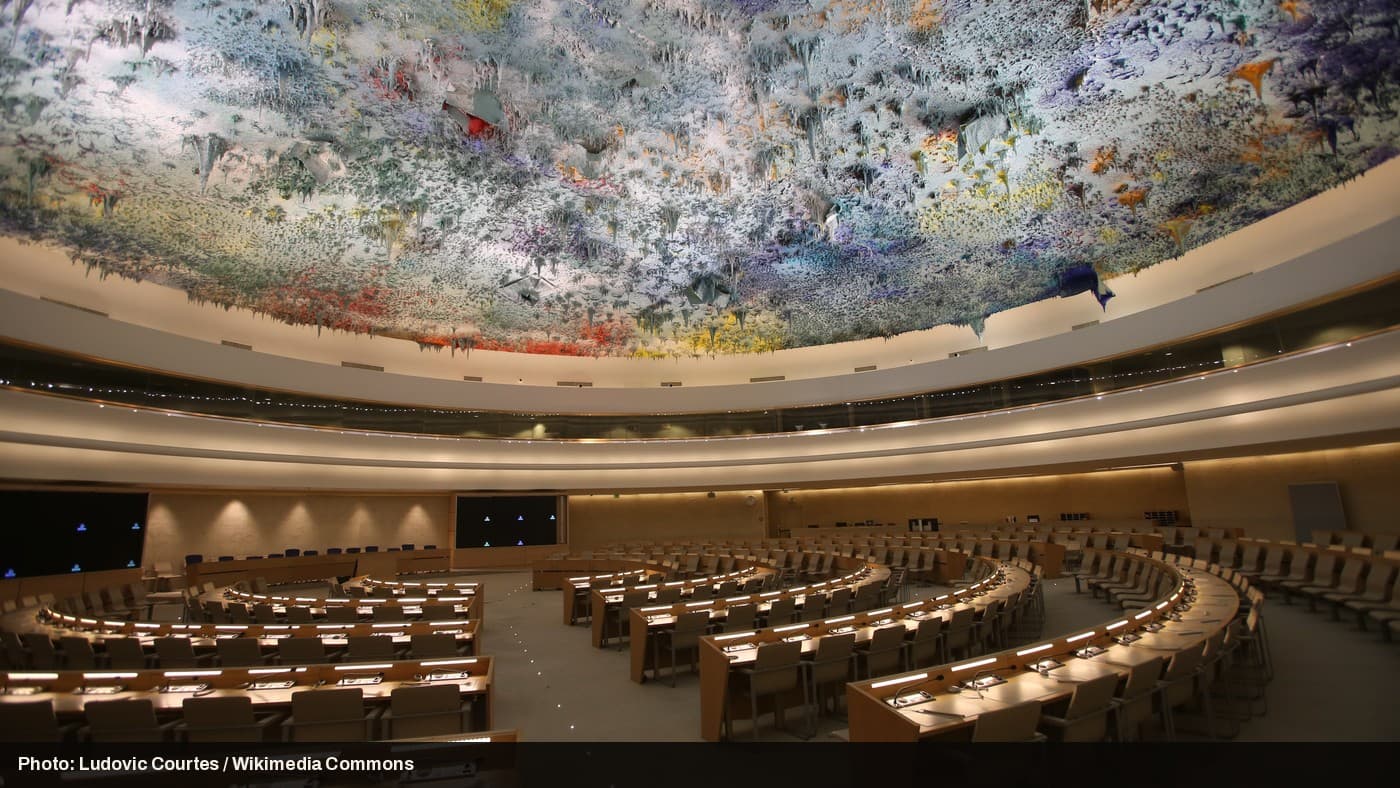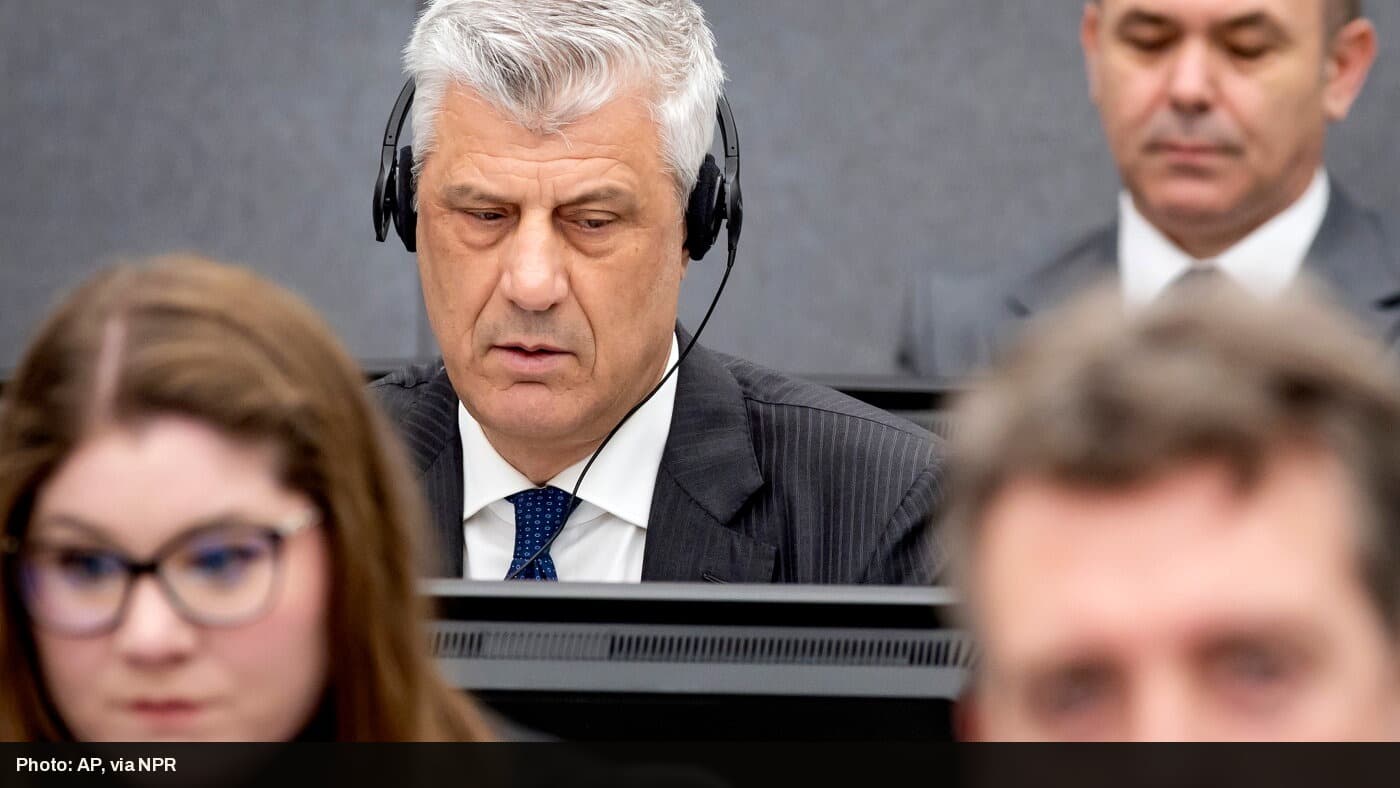
Hashim Thaçi sat in a courtroom at The Hague on Wednesday wearing headphones, listening to a translation of the verdict that would define the rest of his life. Twenty-five years ago, he was a guerrilla commander leading Kosovo's fight for independence from Serbia. Fourteen years ago, he became Kosovo's president. On Wednesday, a European Union-backed tribunal called him something else: a war criminal.
The Kosovo Specialist Chambers convicted Thaçi, 58, on four counts of war crimes committed during the 1998-99 conflict, while he served as a top commander of the ethnic Albanian Kosovo Liberation Army. Judges found him responsible for the murder of 96 people, the torture of 303 detainees, cruel treatment of roughly 50 more, and the arbitrary detention of 385 people. He was sentenced to 25 years in prison.
A Hero to Some, a War Criminal to Others
Thaçi denied every charge throughout the trial, and both he and prosecutors — who had pushed for a longer sentence — can still appeal. But for a country where he is remembered by many as the man who helped win its independence, the verdict landed like a rupture. Thousands of Kosovar Albanians gathered angrily in the capital, Pristina, after the sentence was announced, unwilling to reconcile the founding-father version of Thaçi with the one described in Wednesday's ruling.
Across the border, the reaction was very different. Serbian President Aleksandar Vučić welcomed the verdict publicly, calling it a moment of justice for Serbian victims of the war. The same 25 years, in other words, read as both a betrayal and a vindication — depending entirely on which side of the conflict you were on.
What the Verdict Actually Covers
The Kosovo Specialist Chambers was established specifically to investigate crimes allegedly committed by the KLA during and after the war, a war most of the world remembers primarily as one where Kosovar Albanians were the ones being targeted by Serbian forces. Wednesday's verdict complicates that memory rather than erasing it — it doesn't revisit what Serbian forces did, but it does establish, through a court process Thaçi didn't control and couldn't ultimately defeat, that atrocities were committed on the other side too, under his command.
Thaçi's legal team has signaled they intend to appeal both the conviction and the sentence. Prosecutors, who wanted a stricter penalty, are expected to appeal as well. Until that process plays out, the 25-year sentence stands as the tribunal's final word on the man who once stood at the center of Kosovo's founding story — and now stands convicted of some of the worst acts committed in the war that created it.