At 8:40 in the morning, a huge chunk of glacial ice broke loose above a Himalayan valley and fell into the water below. Within hours, entire villages along the Nepal-China border had simply disappeared.
What Happened
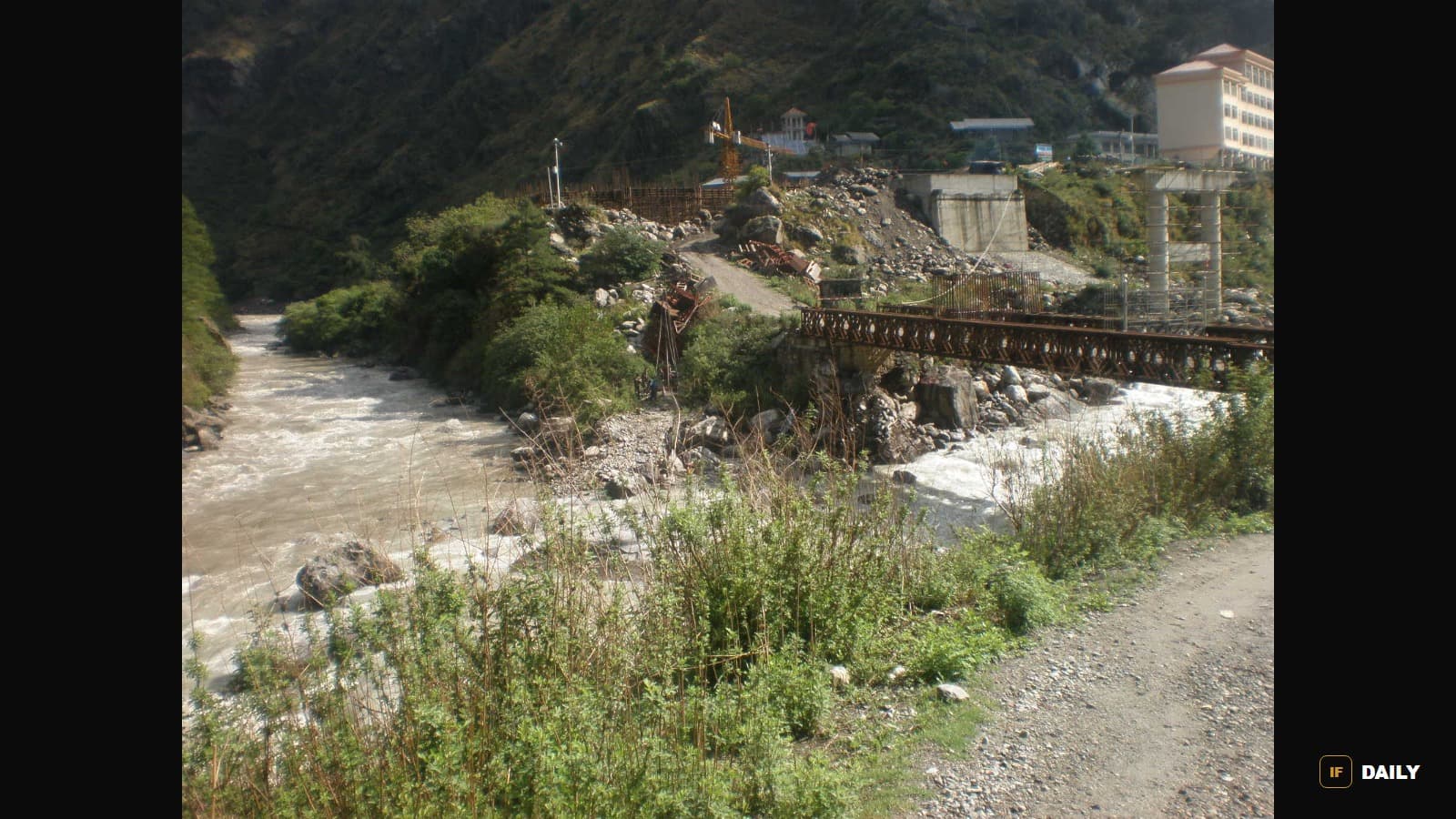
On August 26, a glacial collapse in the mountains above Nepal's Rasuwa district sent an avalanche of ice, rock and waterlogged sediment into a river valley, damming it before the natural dam burst and unleashed a flash flood down the Trishuli River. The surge tore through Rasuwagadhi, Timure and Syabrubesi, destroying roads, bridges, markets and hydropower facilities along the way. The U.S. Geological Survey confirmed the disaster was caused by a glacial collapse and debris flow, not an earthquake as some initial reports suggested.
Why It Matters
This is one of the deadliest disasters to hit the Nepal-Tibet border region in years, and it struck a heavily trafficked pilgrimage and trekking corridor — among those affected were pilgrims returning from a sacred mountain in Tibet. Nepal's Electricity Authority reported six major hydropower and transmission facilities damaged, meaning the disaster's economic impact will likely outlast the search for survivors.
What We Know
Death toll figures are still being finalized and vary slightly by source: Nepali police have confirmed at least 157 deaths, with Chinese state media reporting an additional three deaths and 265 missing on the Tibet side. Nepal's Tourism Board CEO said 403 people were unaccounted for as of the latest count, with foreign nationals among them including dozens of Americans (estimates range from 33 to 47 depending on the source and moment reported), 34 Australians, 33 Britons, 24 Canadians, 19 Malaysians, 4 Germans and 1 Israeli. The U.S. State Department says it is aware of the affected Americans and has pledged $500,000 in emergency assistance. These numbers are expected to keep changing as rescue teams reach areas that remain cut off by damaged roads and narrow gorges.
What People Are Saying
"Entire villages have disappeared. Markets have disappeared," said David Fisher, head of the International Red Cross, describing the scale of the destruction. Nepal Red Cross footage shows floodwaters surging through the Rasuwa valley, with debris hanging from power lines and vehicles buried in mud as high as second-floor windows in some areas.
What Happens Next
Helicopter rescue teams are continuing to search mountainous, hard-to-reach terrain, though many areas remain inaccessible by road. Officials have warned of the risk of a secondary disaster as unstable debris and blocked waterways remain in the flood zone. The full death toll is not expected to be known until rescue teams can reach every affected village — meaning both the confirmed death count and the missing-persons count are likely to keep shifting in the coming days.
Key Takeaway
A warming Himalaya turned a glacier into a weapon: what began as ice breaking loose above a remote valley has left hundreds of people, from Nepali villagers to foreign tourists and pilgrims, still unaccounted for days later.