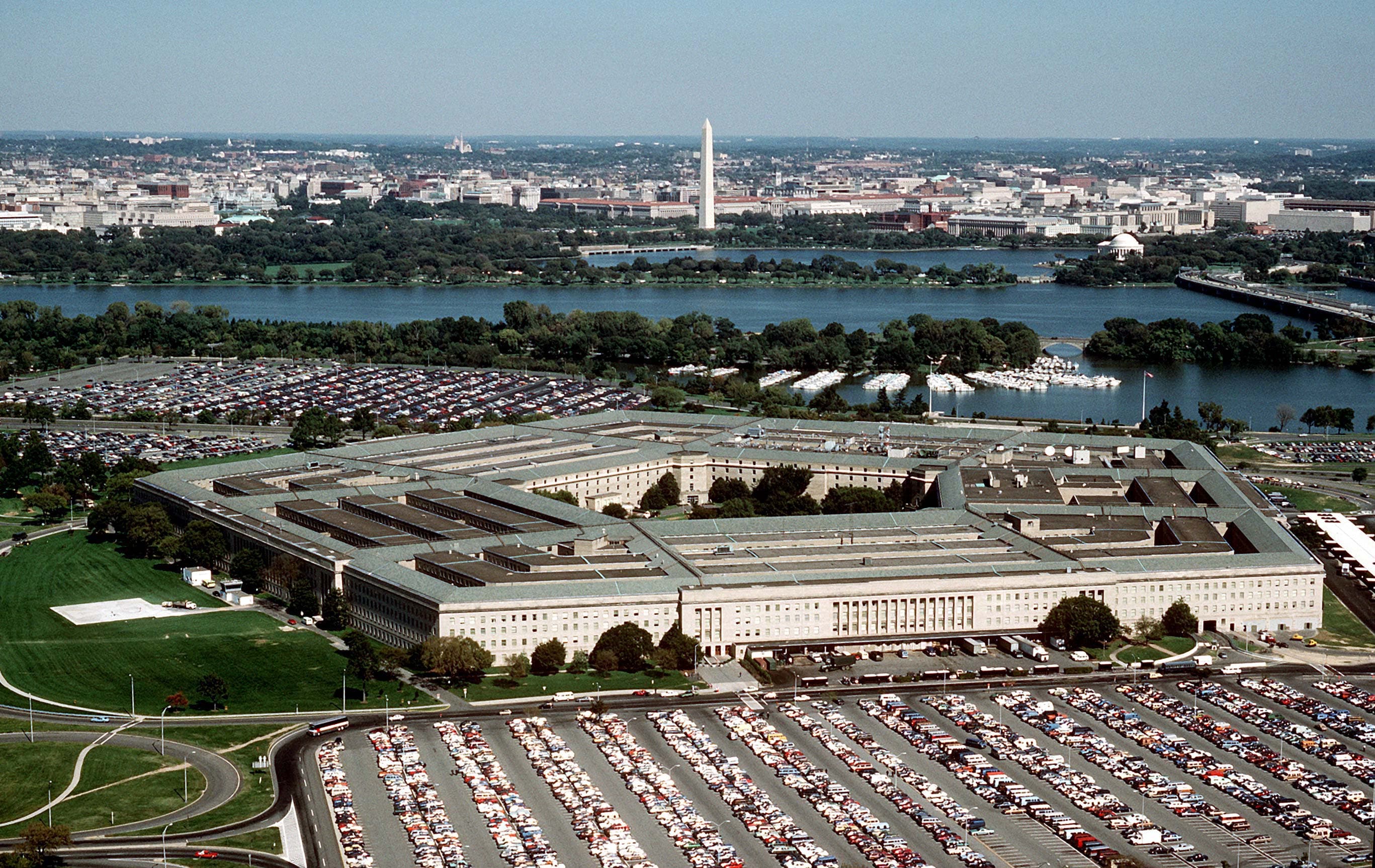
Roughly 50 people walked into a room, sat down, and were hooked up to a machine designed to catch them in a lie. Every one of them worked for the Pentagon. None of them had been accused of a crime. All of them were suspected of talking to a reporter.
What Triggered This
In August, multiple news organizations reported that U.S. weapons stockpiles — specifically long-range precision missiles and Patriot interceptors — had been significantly depleted amid the ongoing war with Iran. The Pentagon responded by administering polygraph tests to approximately 50 members of the Joint Staff, pressing officers and civilian employees on whether they had disclosed classified information about the shortages.
How Big This Actually Is
Legal and military experts describe the scale as unprecedented — the top ranks of the U.S. armed forces have never undergone polygraph testing this widespread in modern history. The tests weren't limited to the Joint Staff either: several dozen additional officials, including personnel at U.S. Central Command and combatant commanders, were polygraphed over the summer as the investigation widened.
Who Ran It, and Why
The military's own internal investigators conducted the tests — not the FBI. Sources familiar with the inquiry say the push was designed to do two things at once: identify whoever leaked the information, and send an unmistakable signal to discourage anyone else from doing the same. There's also a more serious concern sitting underneath the leak-hunting: because access to the specific munitions data was so tightly restricted, investigators have had to consider whether a foreign intelligence operative, not just a frustrated staffer, could be responsible.
The Result So Far
According to two sources, no one has failed the polygraphs. That leaves the Pentagon in an uncomfortable position: it ran the largest internal lie-detector campaign in memory, and as of now, it still doesn't know who talked.