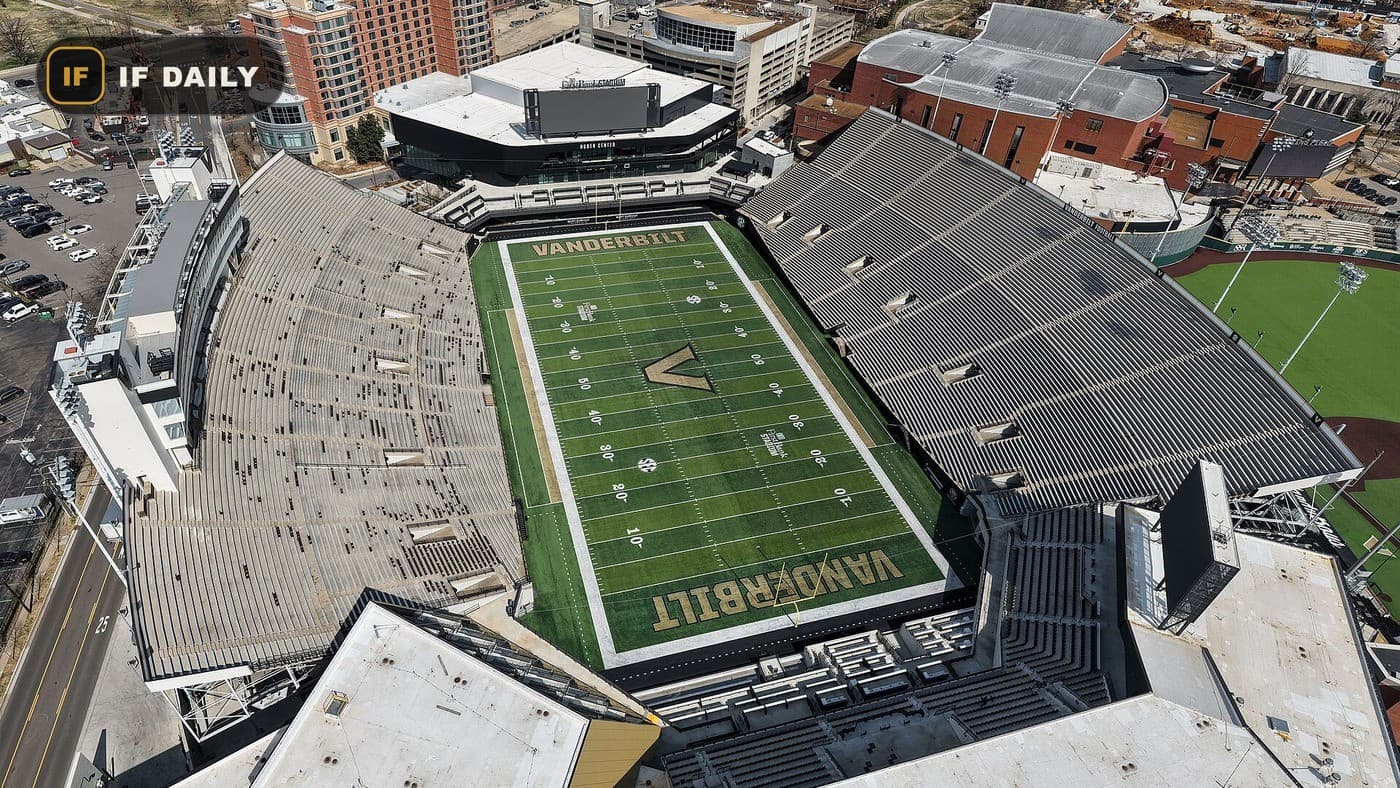
The presidents and chancellors of the Southeastern Conference issued a pointed statement Monday evening opposing the practice of former professional athletes returning to compete in college sports, following LSU's roster additions of two former NFL players.
What prompted it
LSU added defensive tackle Zxavian Harris, a former undrafted free agent with the New Orleans Saints, and moved to sign tight end Dae'Quan Wright, who had been released by the Cleveland Browns. The additions came amid conflicting court rulings on college eligibility: a federal appeals court had overturned a Colorado judge's decision granting the 2022 recruiting class a fifth year of eligibility, while Louisiana state courts separately granted Wright and 32 other athletes individual restraining orders allowing them to keep competing. As one attorney summarized it, athletes with their own individual court orders can still play, while those relying only on the broader class-wide protection cannot.
College sports are for college athletes. Individuals who choose to leave college athletics, sign professional playing contracts, and compete professionally should not then be permitted to return to college competition.
SEC Presidents and Chancellors, joint statement
What's next
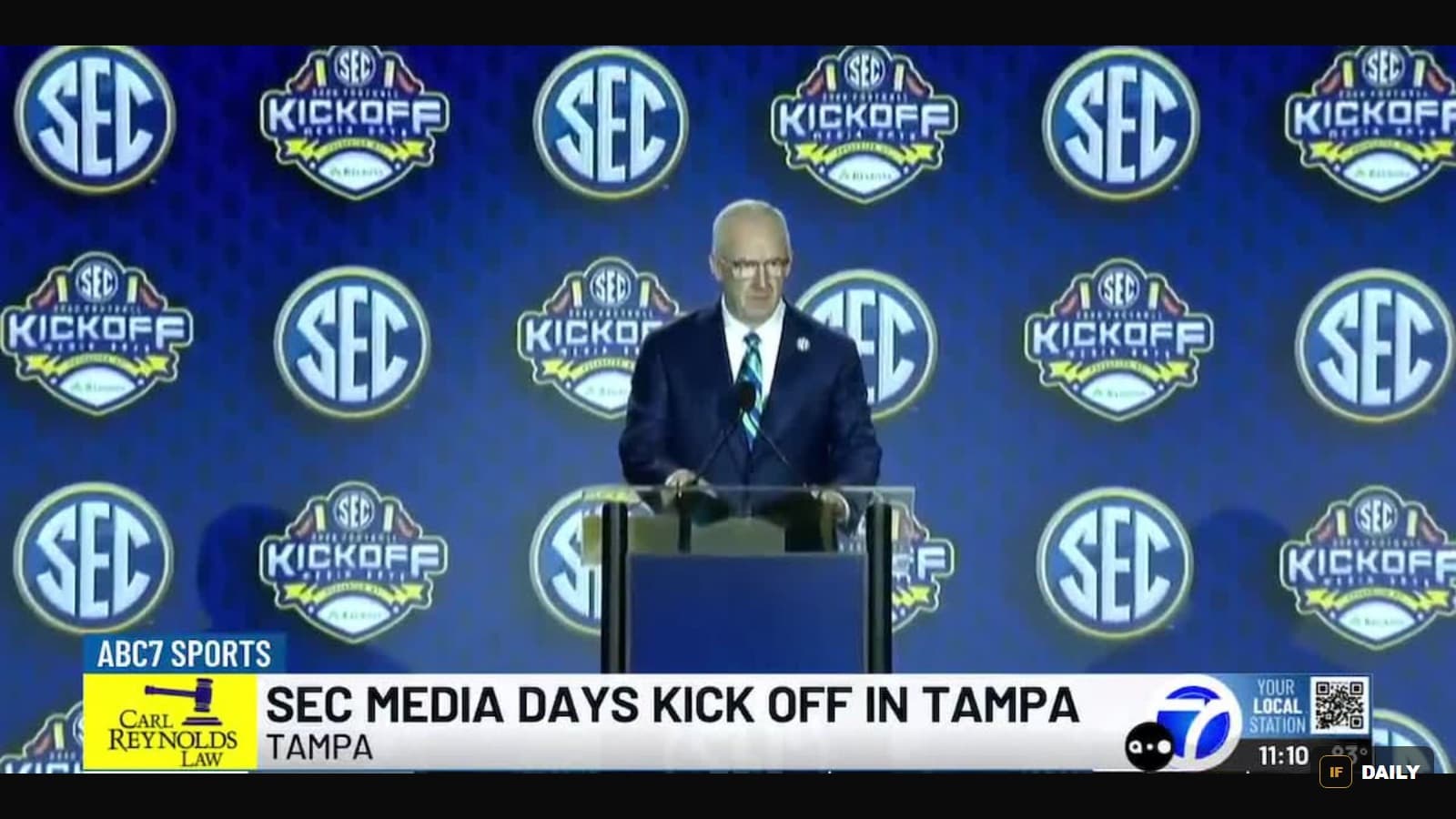
The SEC statement argued that allowing ex-professionals back into college competition would blur the line between the college and professional ranks, raise competitive equity concerns, and cut into opportunities for current high school and college athletes. Conference leadership has also pointed to the tangle of conflicting eligibility rulings nationally as a reason to push for clearer federal standards, with SEC presidents said to be exploring options including a more conference-specific governance approach to eligibility going forward.