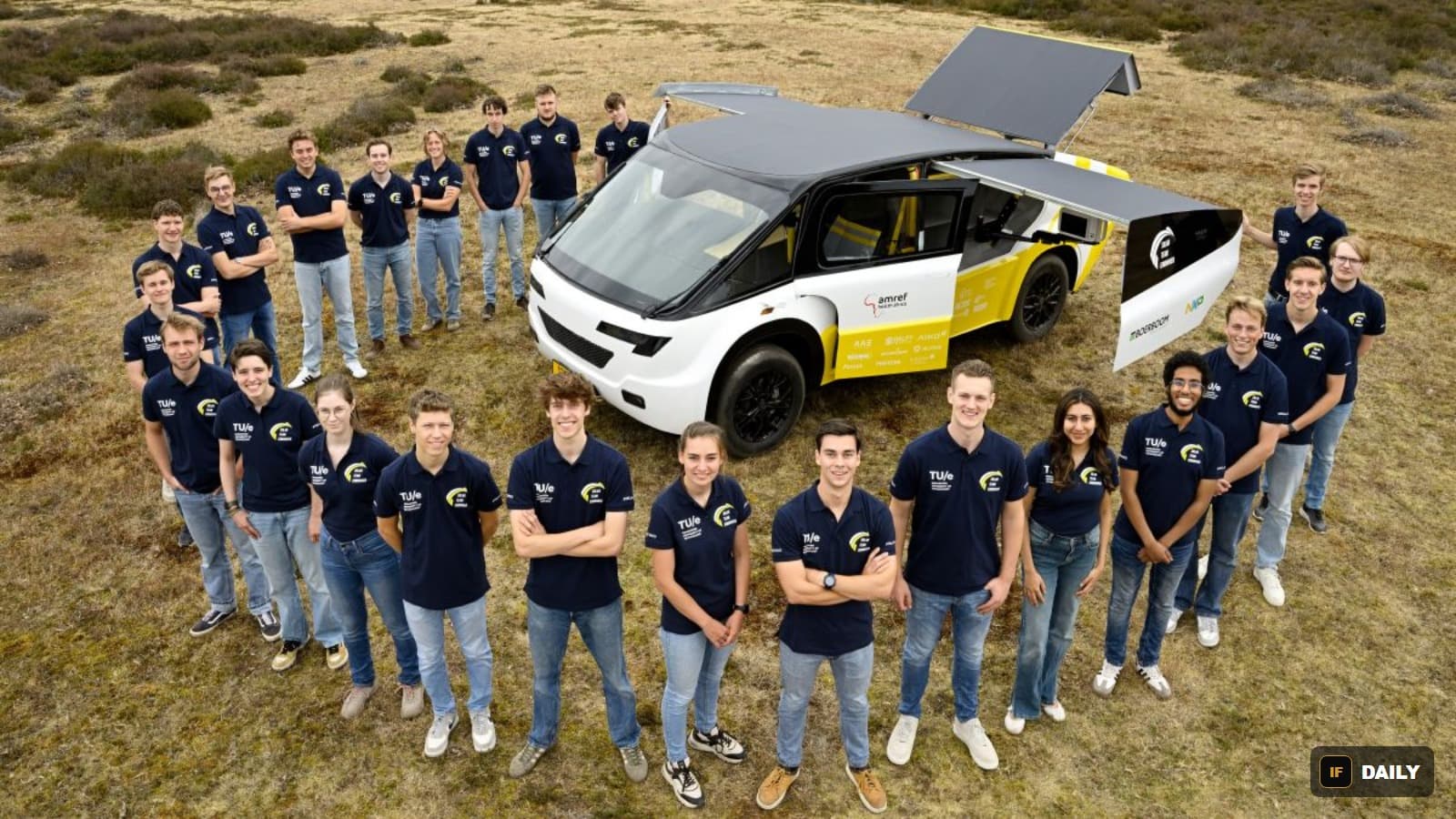
A team of 23 students at Eindhoven University of Technology in the Netherlands has built what they say is the world's first solar-powered ambulance — a vehicle designed to bring real medical care to places with no reliable roads, fuel, or electricity at all.
How it works
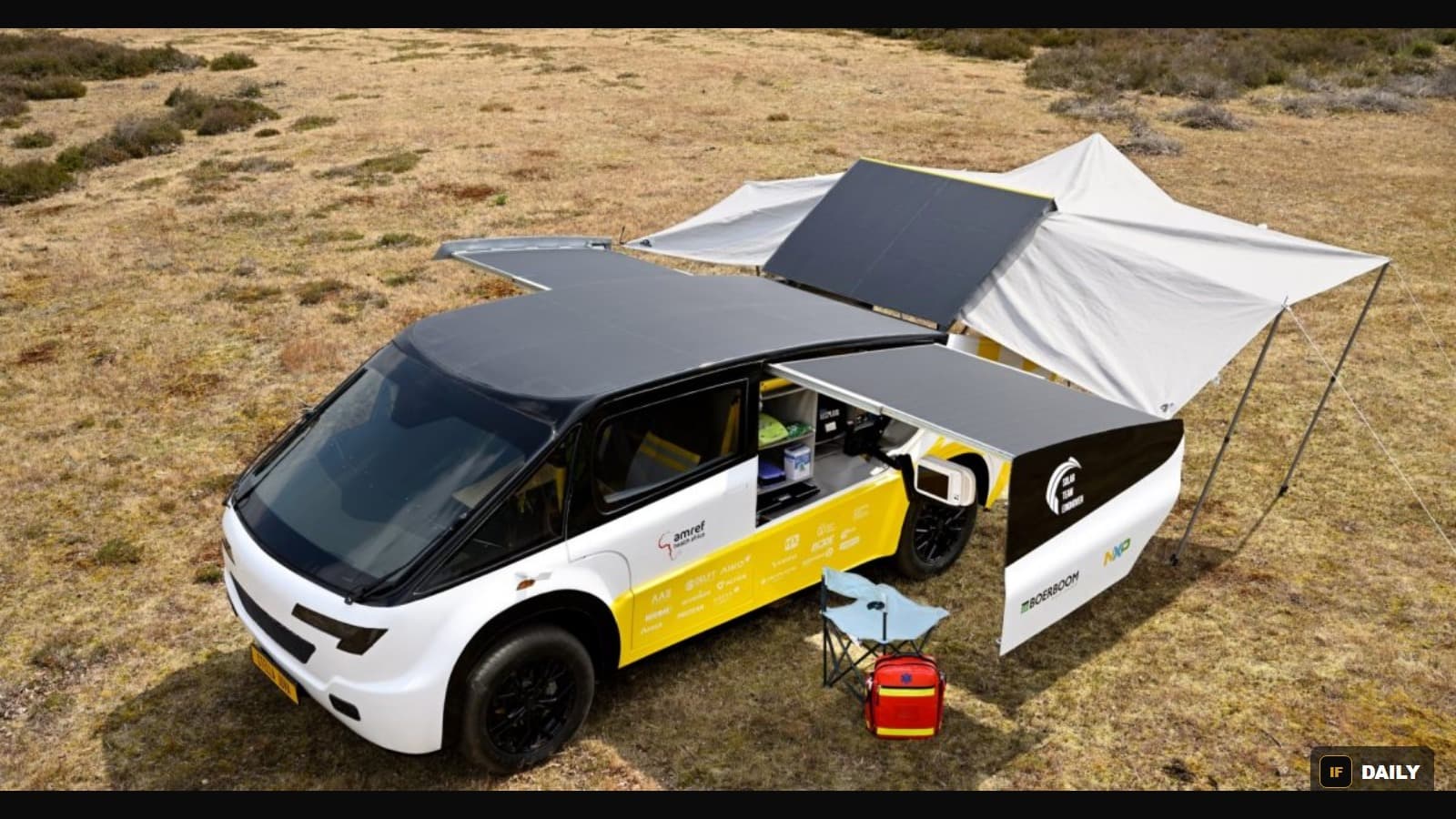
The vehicle, named Stella Juva, is covered in 542 solar cells — 326 built into its roof and another 216 mounted on panels that fold out and deploy while the vehicle is parked, generating extra power. Combined with a 50-kWh battery, Stella Juva can travel up to 715 kilometers on a sunny day without needing to plug in anywhere.
It's built for off-road terrain, can hit a top speed of 120 km/h (75 mph), and seats two — the design team built it by Solar Team Eindhoven over the course of a year.
Bringing the clinic to the patient
Unlike a conventional ambulance, Stella Juva isn't primarily built to rush patients to a hospital — it's built to bring the hospital to the patient. Onboard equipment lets healthcare workers run blood tests, screen for diseases like tuberculosis and malaria, give vaccinations, and even perform ultrasounds and X-rays on site, along with carrying a defibrillator for emergencies.
What's next
The team took Stella Juva to Kenya this August for its first real-world field tests, starting with an event at Amref International University attended by officials from the Dutch embassy and Kenyan diplomats. The goal is to see how the vehicle performs delivering care in the kind of remote, off-grid areas it was actually designed for.