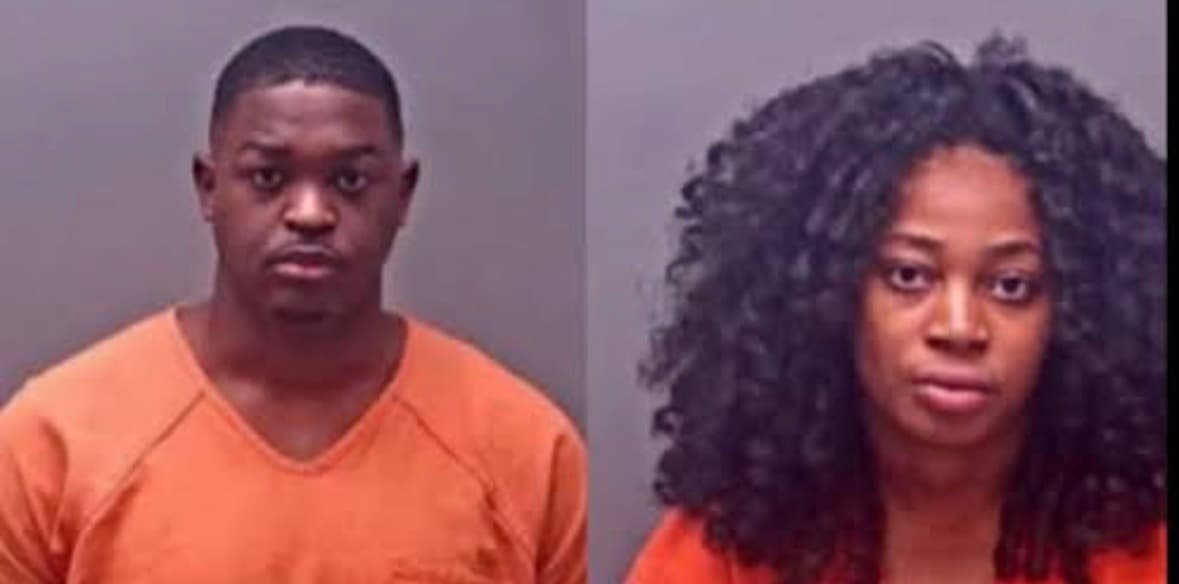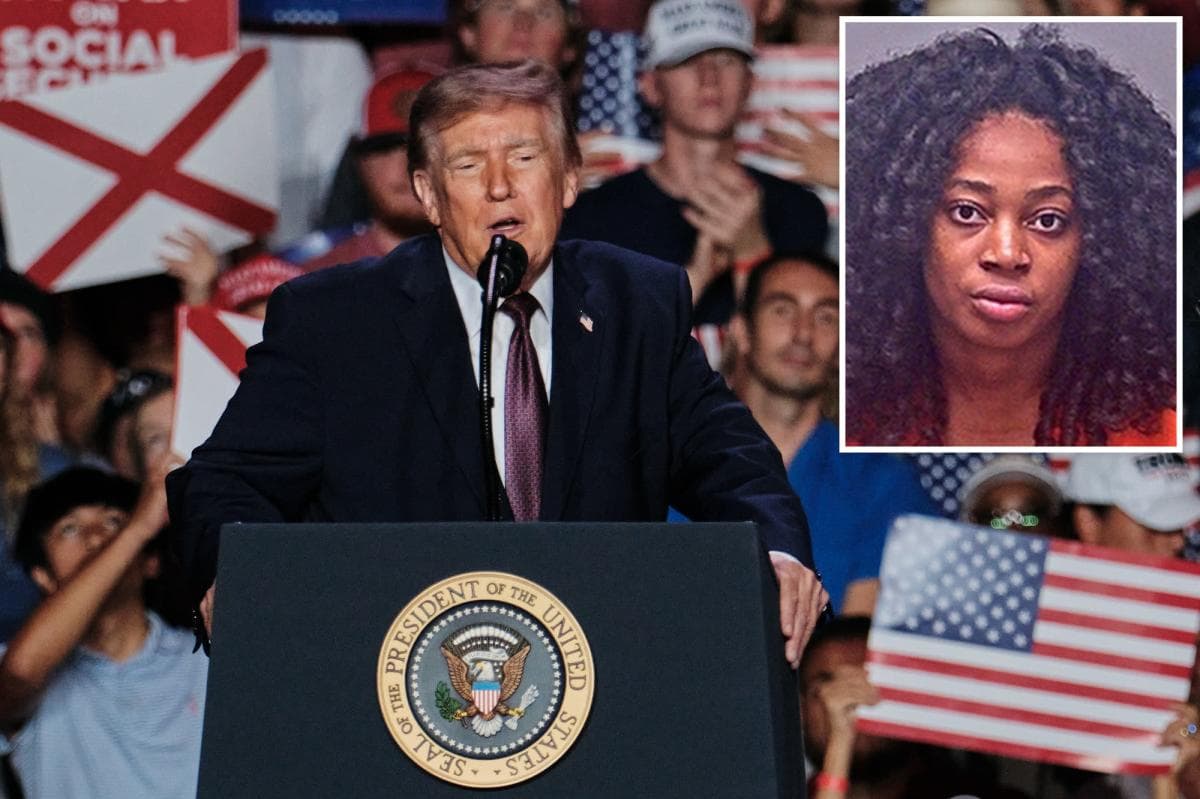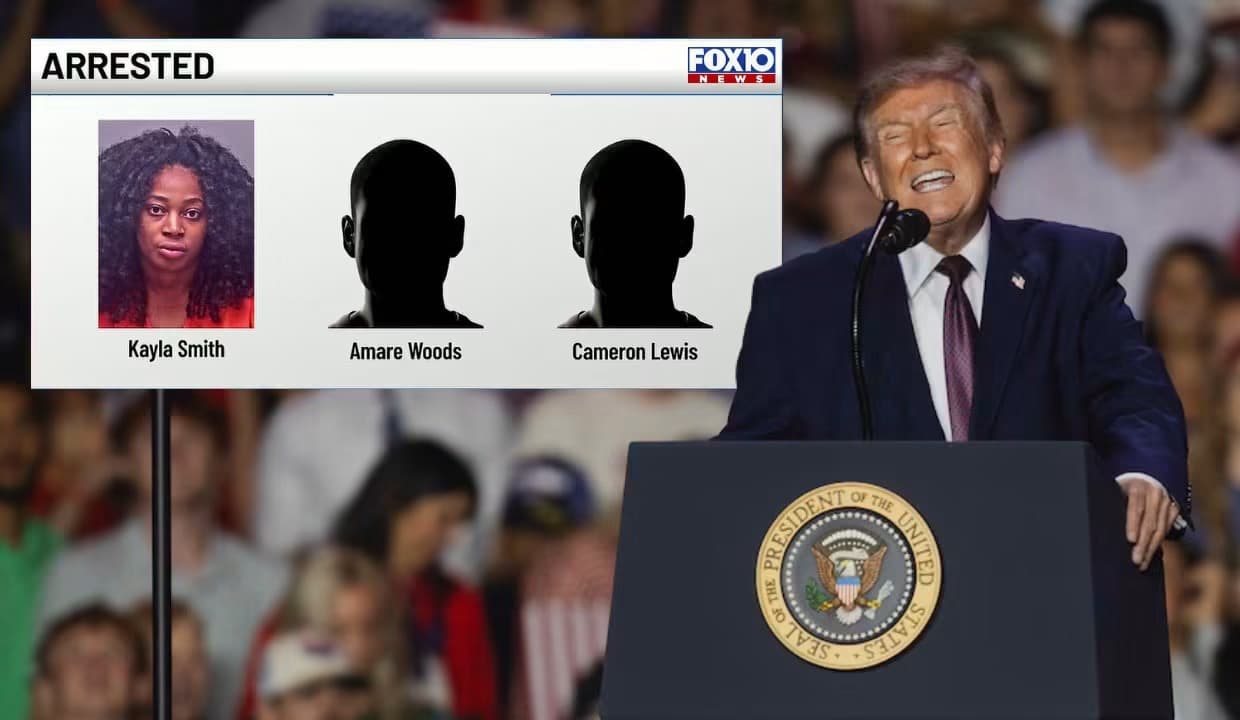
Three students at the University of South Alabama are facing federal charges after investigators flagged separate social media posts made ahead of President Donald Trump’s visit to the Mobile campus.
Amare Jemal Woods, Cameron Lamark Lewis and Kayla Leaann Smith were arrested on October 2, the same day Trump held a rally at the university’s Mitchell Center.
The FBI’s Mobile Division said the arrests followed an investigation into what it described as threatening communications directed toward the president. The investigation involved the FBI, U.S. Secret Service, U.S. Attorney’s Office, University of South Alabama police and several local law-enforcement agencies.
The allegations against the students are separate. Authorities have not said the three were part of a coordinated plot.
What investigators allege
According to federal affidavits described in local reporting, investigators identified social media posts from each student during a review conducted ahead of Trump’s visit.
Woods, an 18-year-old aerospace engineering student, is accused of responding to a TikTok post about Trump’s planned visit with the words “he gotta die bro” and a crying emoji.
Lewis is accused of making two posts on X that investigators considered threatening. One allegedly referenced the University of South Alabama in connection with the location where conservative activist Charlie Kirk was killed.
Smith, an elementary-education student, is accused of responding to a TikTok post about Trump’s visit by writing, “We only got one chance, let’s take it,” alongside an image showing someone appearing to mimic holding a firearm.
The allegations have not been proven in court.
The arrests
The FBI announced the arrests on October 2, saying the investigation was part of its efforts to identify and address threats and targeted violence involving government personnel.
Trump's rally went ahead as scheduled that evening.
The University of South Alabama said it condemns threats against elected officials and anyone with whom people disagree, while also emphasizing the importance of open dialogue and civic participation.
The cases have also raised questions about where provocative online speech ends and a criminal threat begins.
Jason Darley, an attorney for Woods, has questioned whether his client's comment should be treated as a criminal threat and pointed to possible First Amendment issues.
Federal law, however, makes threatening the president a serious offense. Whether the individual posts meet the legal standard for criminal threats will ultimately be determined through the court process.
What happens next
The three students were later released from federal custody after appearing in court. They waived their preliminary hearings, and their cases are expected to move toward federal grand-jury review.
Their release does not mean the charges have been dismissed.
For now, the central question is whether the posts identified by investigators amount to criminal threats under federal law or constitutionally protected, although highly provocative, speech.
All three students are presumed innocent unless and until proven guilty in court.
FBI Mobile — Three Arrested in Mobile for Alleged Threats Against the President https://www.fbi.gov/contact-us/field-offices/mobile/news/three-arrested-in-mobile-for-alleged-threats-against-the-president
FOX10 / WALA — 3 South Alabama students released from custody in Trump threat case https://www.fox10tv.com/2026/10/05/3-south-alabama-students-released-custody-trump-threat-case/
WSFA — 3 University of South Alabama students charged with threatening Trump ahead of visit https://www.wsfa.com/2026/10/03/3-university-south-alabama-students-charged-with-threatening-trump-ahead-visit/
The Grio — source shown in the supplied post
Video credit: @mynbc15