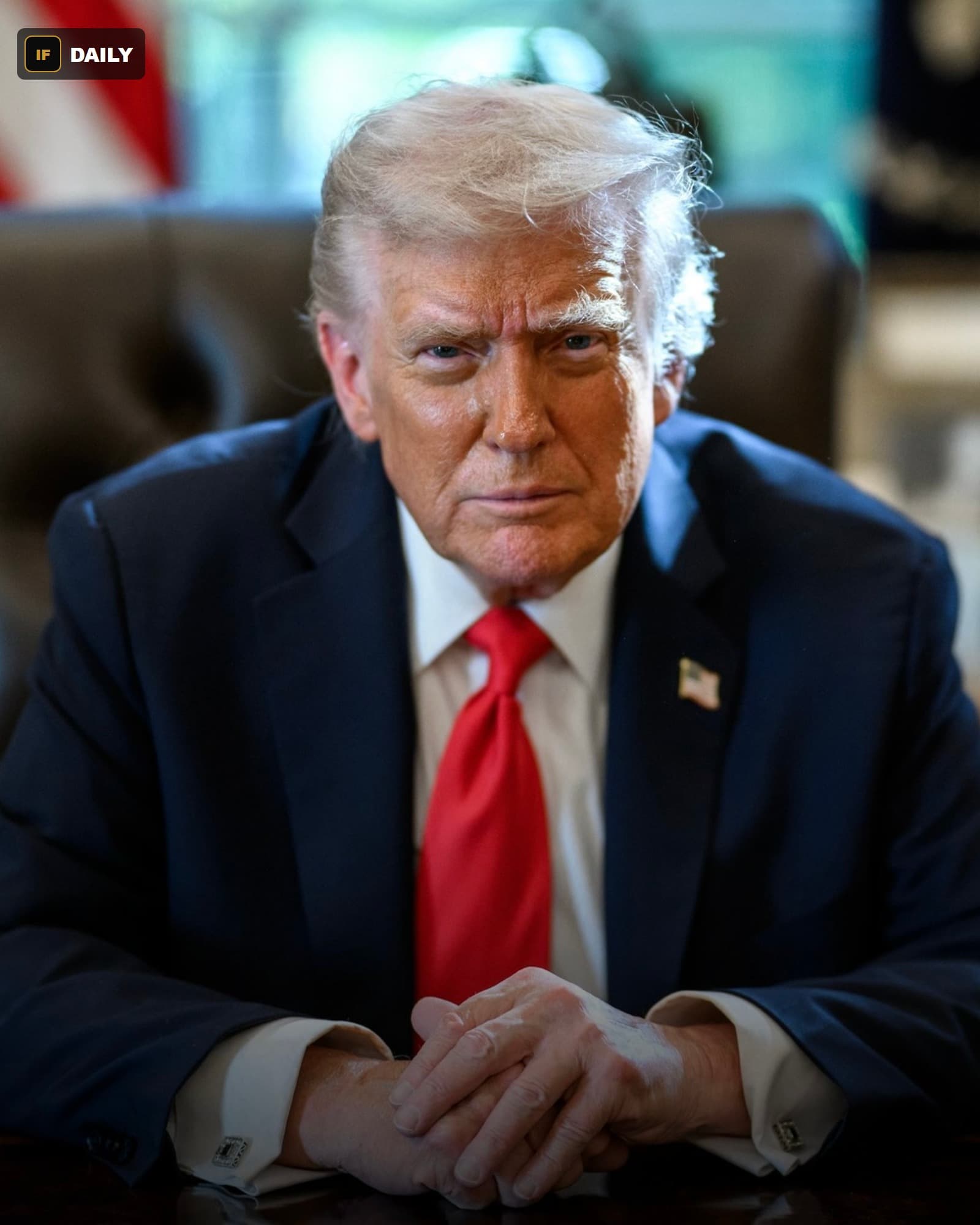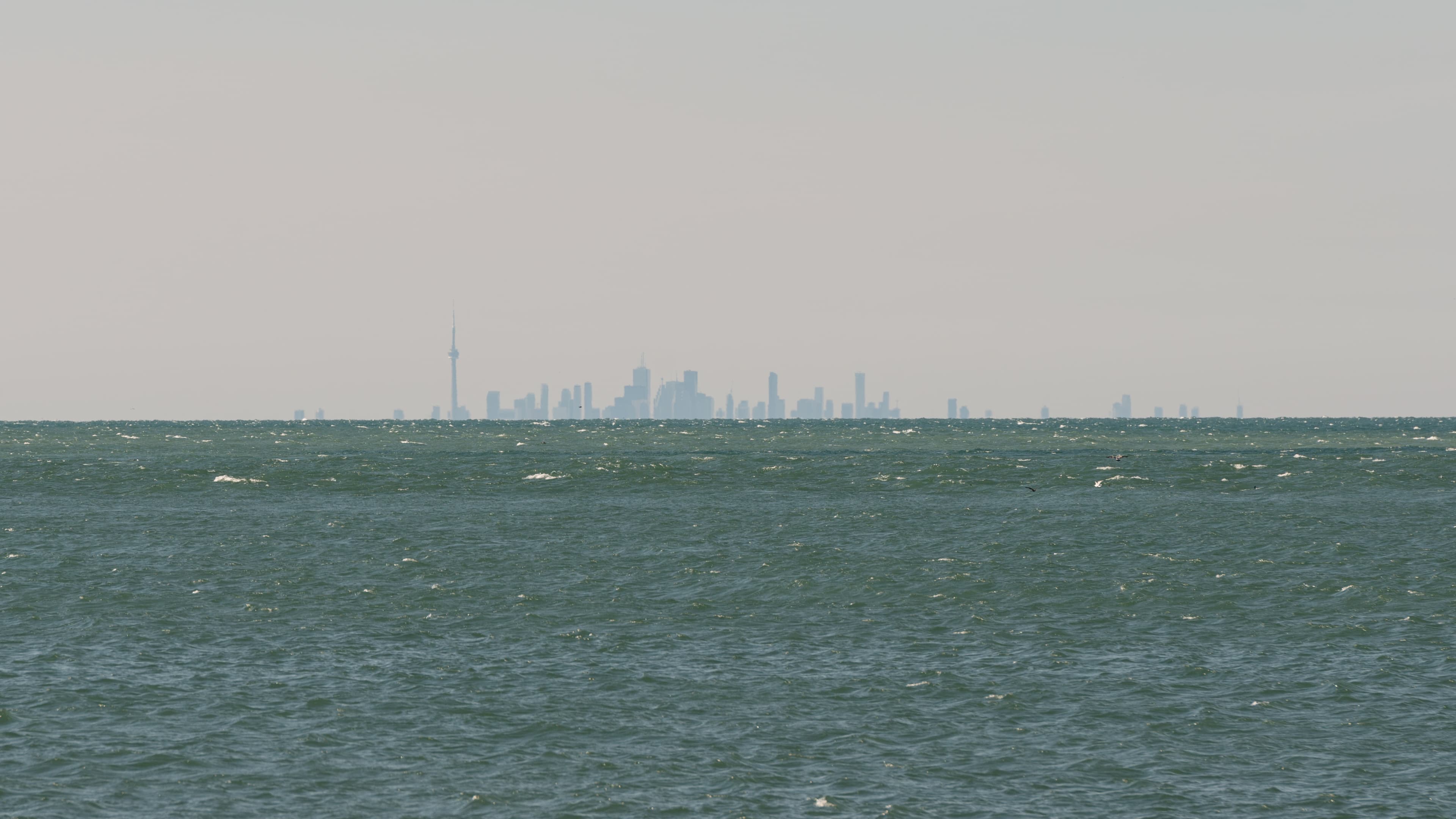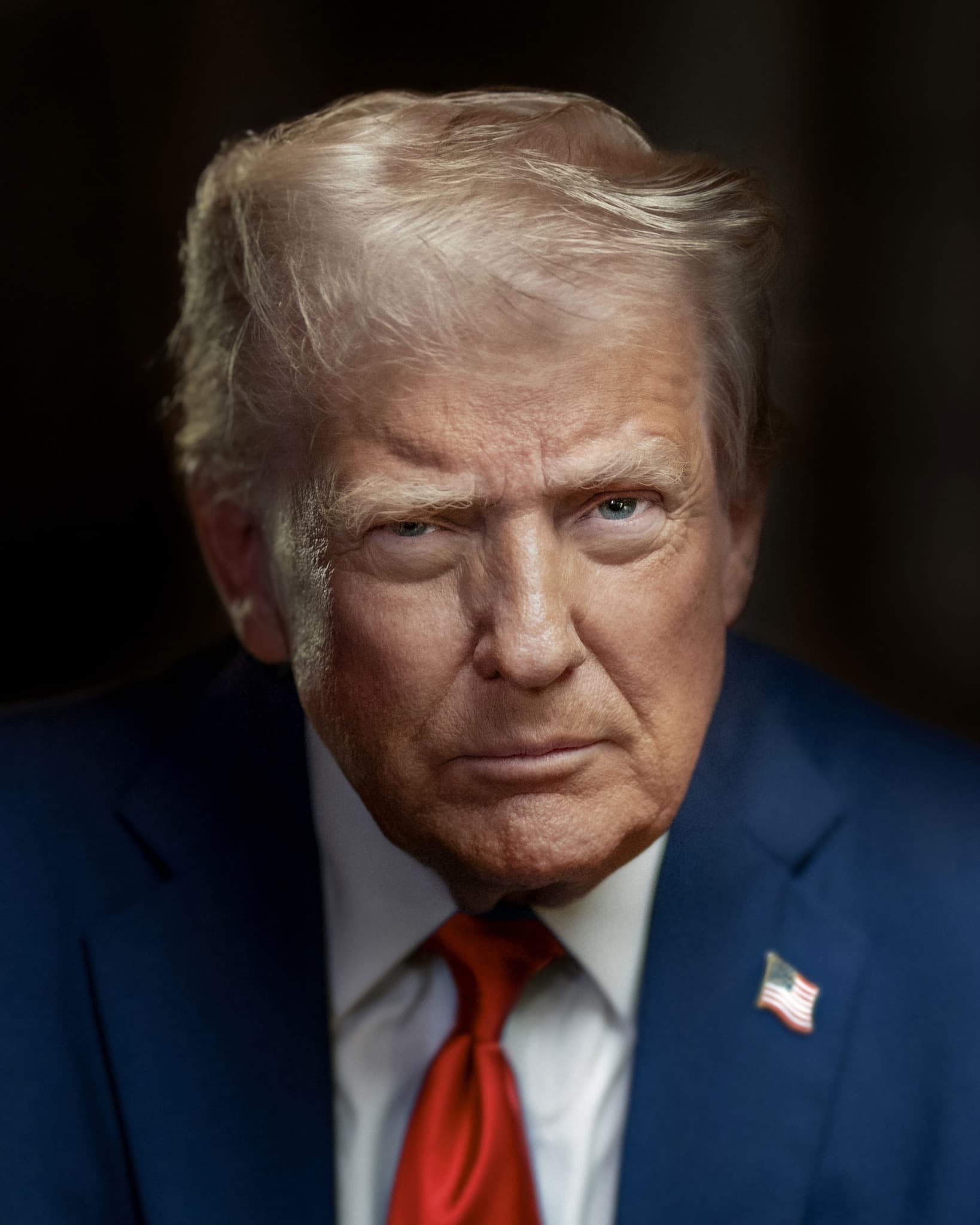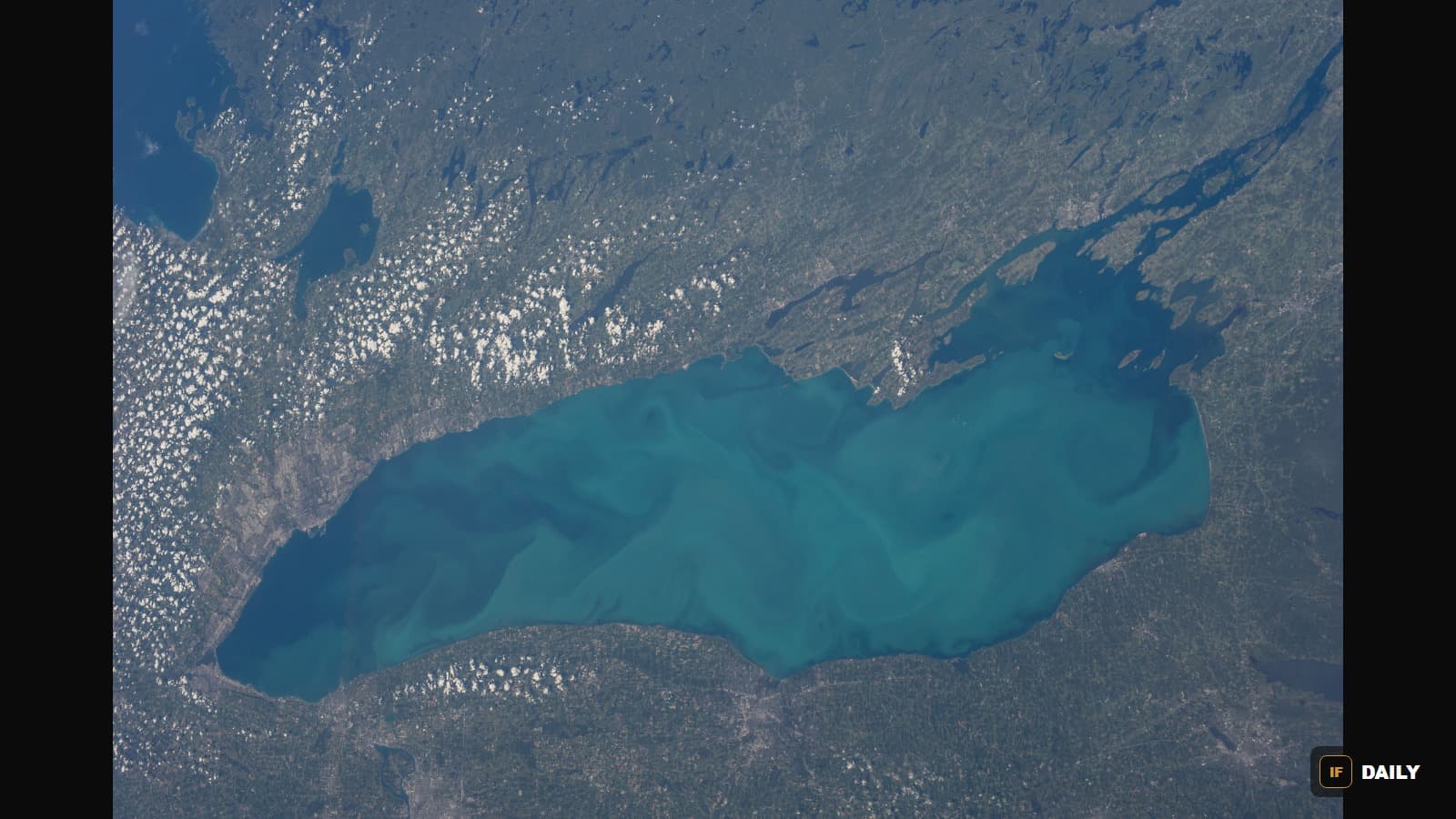
One of the five Great Lakes just got a new name — at least as far as the US federal government is concerned. On Thursday, President Trump signed an executive order renaming Lake Ontario "Lake America," the latest and strangest escalation in his trade fight with Canada.
What Happened
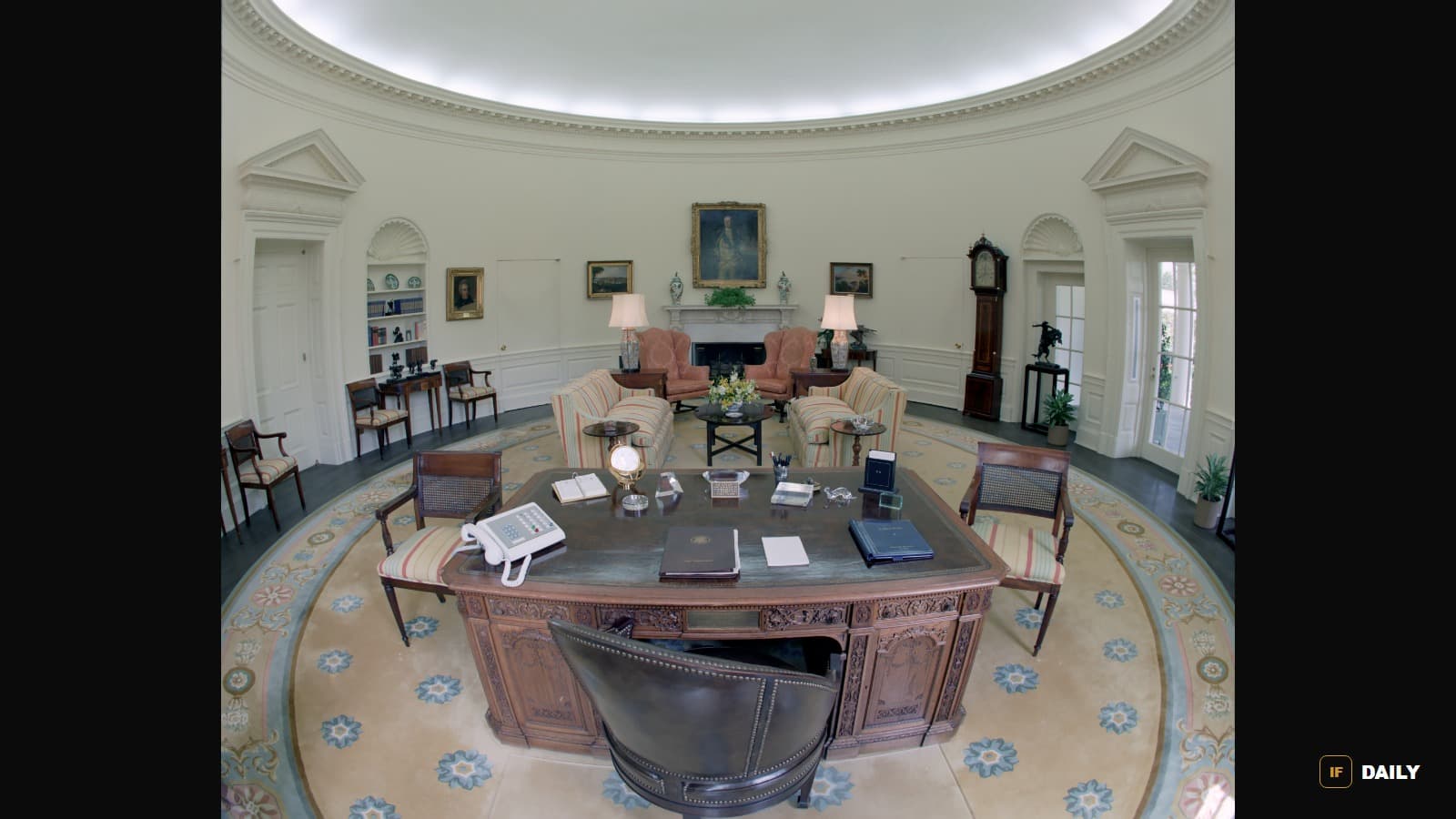
Trump signed the order Thursday afternoon at the Resolute Desk in the Oval Office, directing the Interior Department to update the lake's name in the U.S. geographic naming service. He told reporters the change was "official, effective immediately," saying he had "filed all the necessary papers, documents, everything else" and "notified all of the various people that we have to notify." A sign behind him during the signing read "MAKING THE GREAT LAKES EVEN GREATER."
The order gives Interior Secretary Doug Burgum — who holds the position, though he isn’t named directly in the text — 30 days to work with the U.S. Board on Geographic Names on formalizing the change. The Geographic Names Information System, the federal government’s official naming database, had already been updated to list the lake as "Lake America" within the U.S. shortly after Trump signed.
Why It Matters
This isn't just a symbolic gesture — it's a real, if narrow, use of presidential authority. A US president can unilaterally change how the federal government refers to a geographic feature for its own official purposes. What he cannot do is force Canada, Ontario, international mapmakers, or anyone outside the US federal government to adopt the new name. Lake Ontario forms part of the US-Canada border, so this is very much a shared body of water whose name Trump does not have the legal authority to change for the other country bordering it.
Not Trump’s First Water Renaming
This isn’t the first time Trump has used his authority this way. In January 2025, on his first day back in office, he signed a separate executive order renaming the Gulf of Mexico the "Gulf of America" for U.S. federal purposes. That renaming prompted Mexican President Claudia Sheinbaum to sue Google over how the body of water was labeled on Google Maps. Google ultimately settled on a split approach: the map shows "Gulf of America" to users in the U.S., "Gulf of Mexico" to users elsewhere, and both names together for everyone else — the same kind of dual-name outcome now expected for Lake Ontario and Lake America.
What We Know
The order lands amid a rapidly escalating trade war: Canada has imposed tariffs on nearly $20 billion of US goods effective September 8 after trade talks with Washington collapsed, and Trump has separately threatened 50% tariffs on Canadian autos, auto parts and steel. Asked what message the renaming was meant to send, Trump said he had "no message," but added: "Canada has been ripping us off for a long time on trade, very sadly."
What People Are Saying
Canadian Prime Minister Mark Carney responded on X, pointing out that "Ontario" comes from a Wendat word meaning "the lake is beautiful, the lake is big" — and that the name predates both Canadian confederation and the US Declaration of Independence. The pushback echoes an earlier round of the same argument sparked when Trump first floated the idea, which prompted its own wave of explainers asking whether he actually had the power to do it.
Other Canadian officials pushed back too. Industry Minister Mélanie Joly said plainly, "We’ll always call it Lake Ontario. Period. We’re proud of our Great Lakes," according to NBC News. Toronto maritime attorney Marc Isaacs put it more bluntly: "The Americans can call it whatever they want to call it. It is Lake Ontario."
What Happens Next
US federal maps, agencies, and official references are expected to begin using "Lake America" going forward, while Canada, Ontario, and international bodies are expected to continue calling it Lake Ontario — meaning the lake will likely have two official names depending on which side of the border, and which government, you ask. Whether this affects the broader trade standoff in any concrete way remains to be seen.
Key Takeaway
Trump just renamed a lake he shares with another country — and only half of it actually took effect. It's a real executive order with real (if limited) legal force, deployed as a pointed jab in a trade war that has nothing to do with geography and everything to do with tariffs.