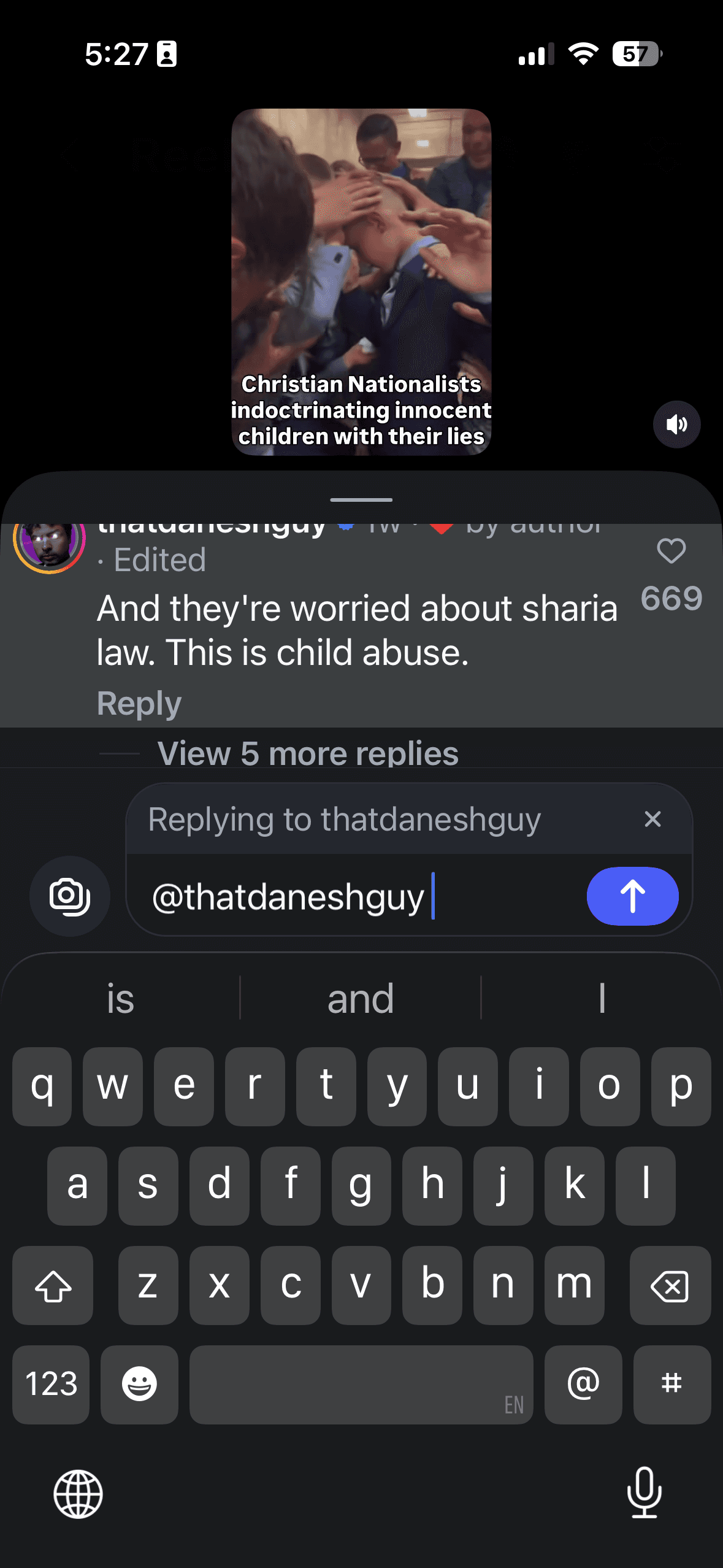
A video showing children crying, praying and speaking in tongues has triggered a heated debate online, with viewers disagreeing over a difficult question: when does religious upbringing cross the line into emotional harm?
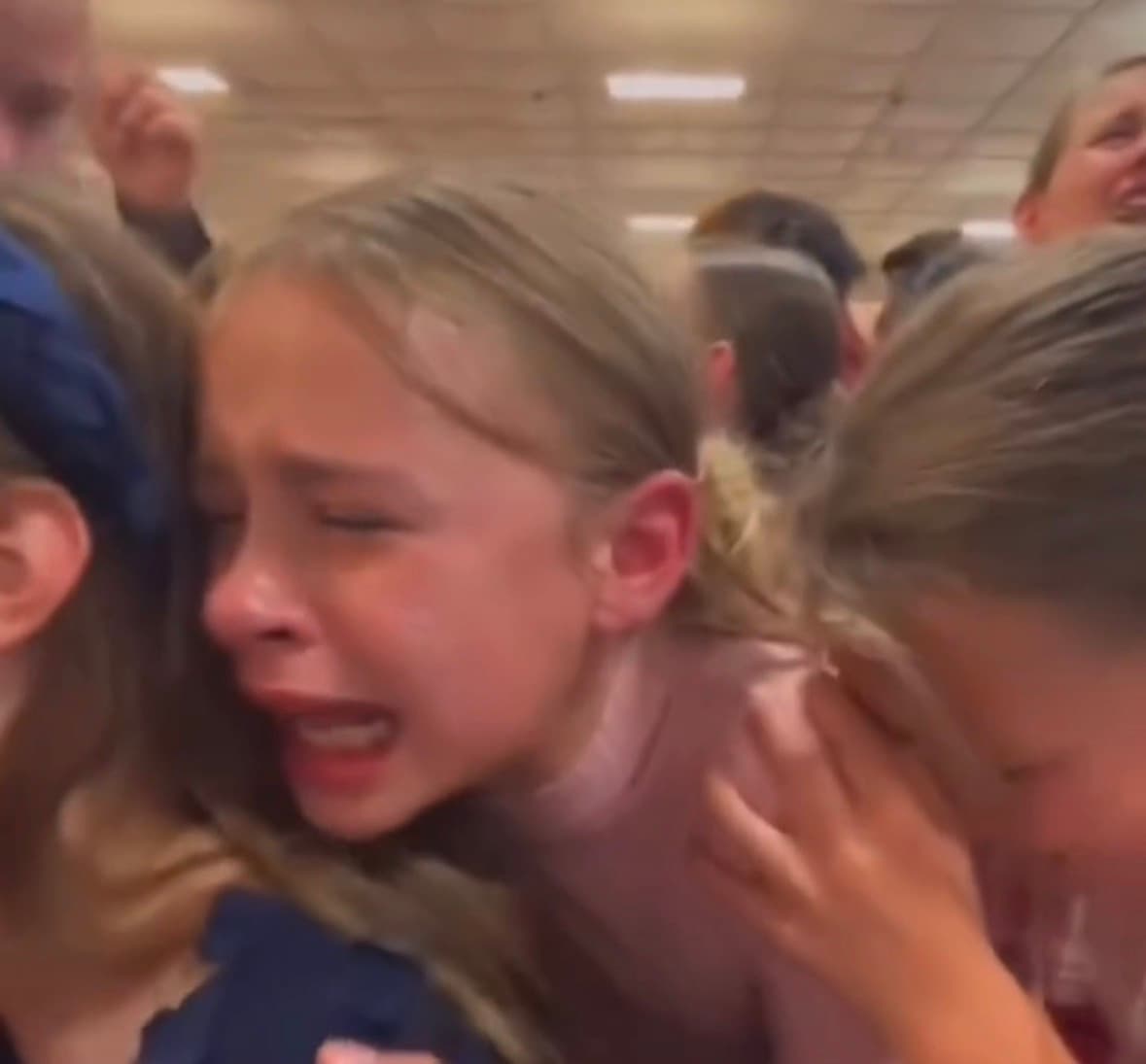
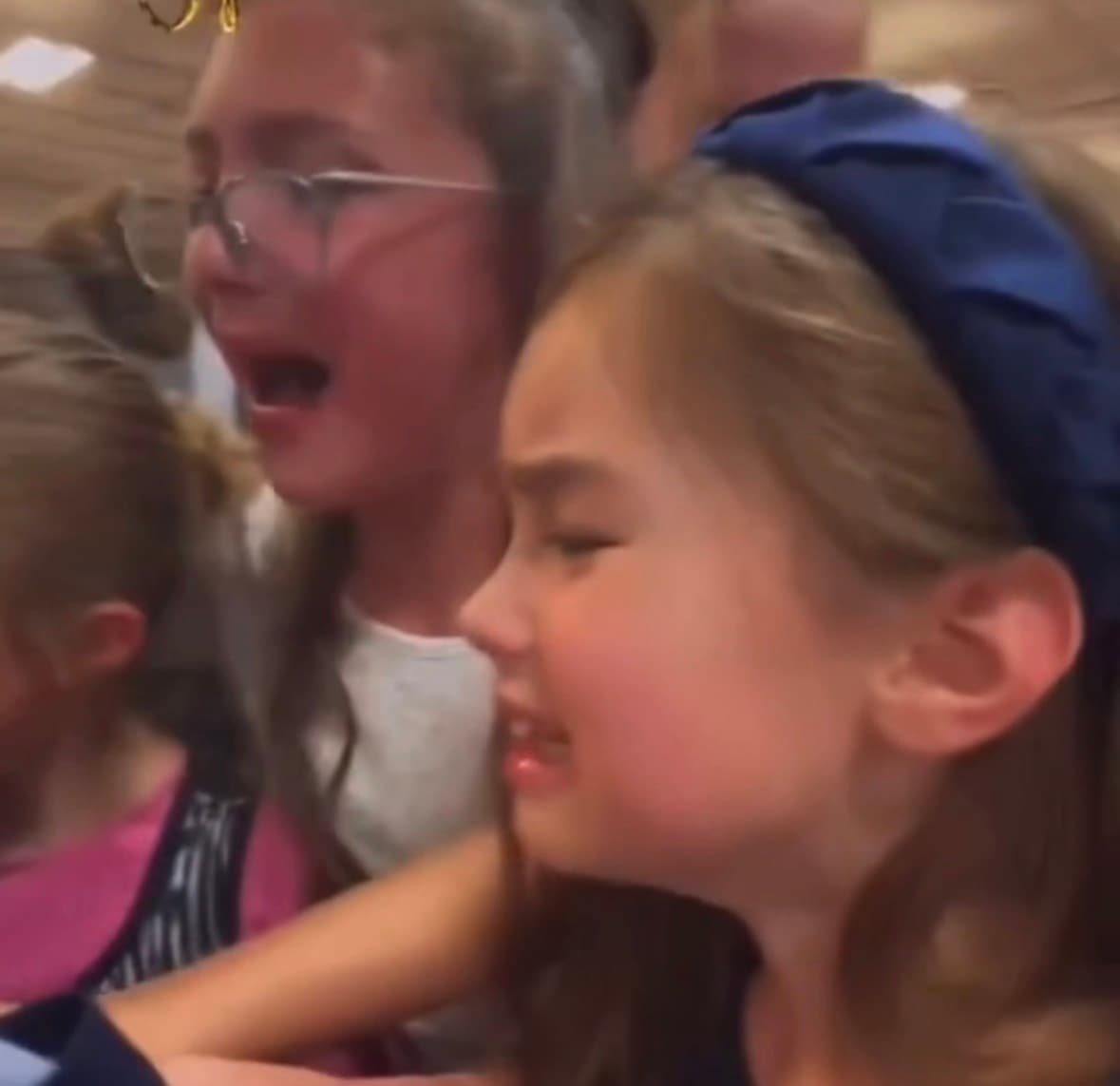
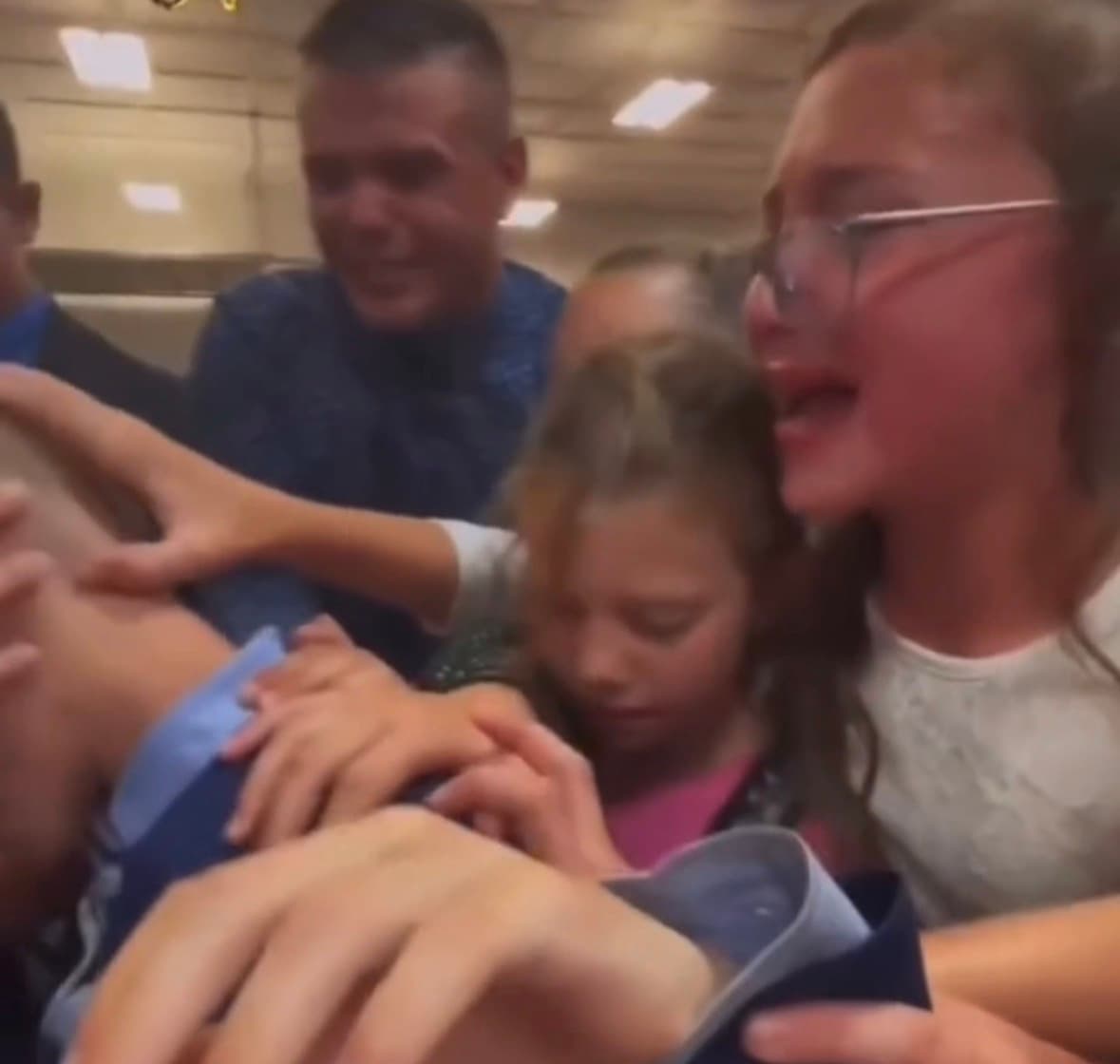
The footage shows children surrounded by adults during an intense Christian prayer session. Some appear visibly emotional as people pray over them. The clip has been shared across social media, where reactions have ranged from religious support to anger and concern for the children.
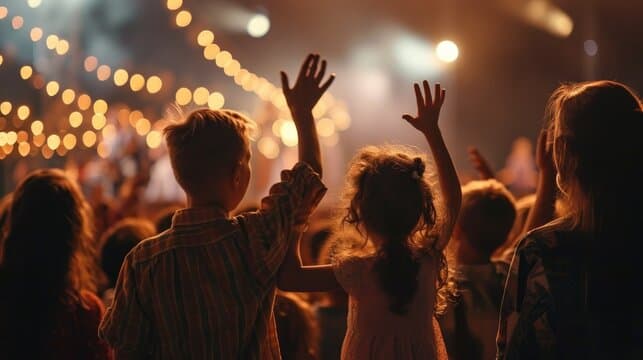
For some viewers, the scene is familiar. In some Pentecostal and charismatic Christian communities, speaking in tongues is understood as a spiritual experience associated with the Holy Spirit. Emotional prayer and public expressions of faith are also part of worship in some congregations.
But other viewers see something troubling.
Why people are calling it child abuse
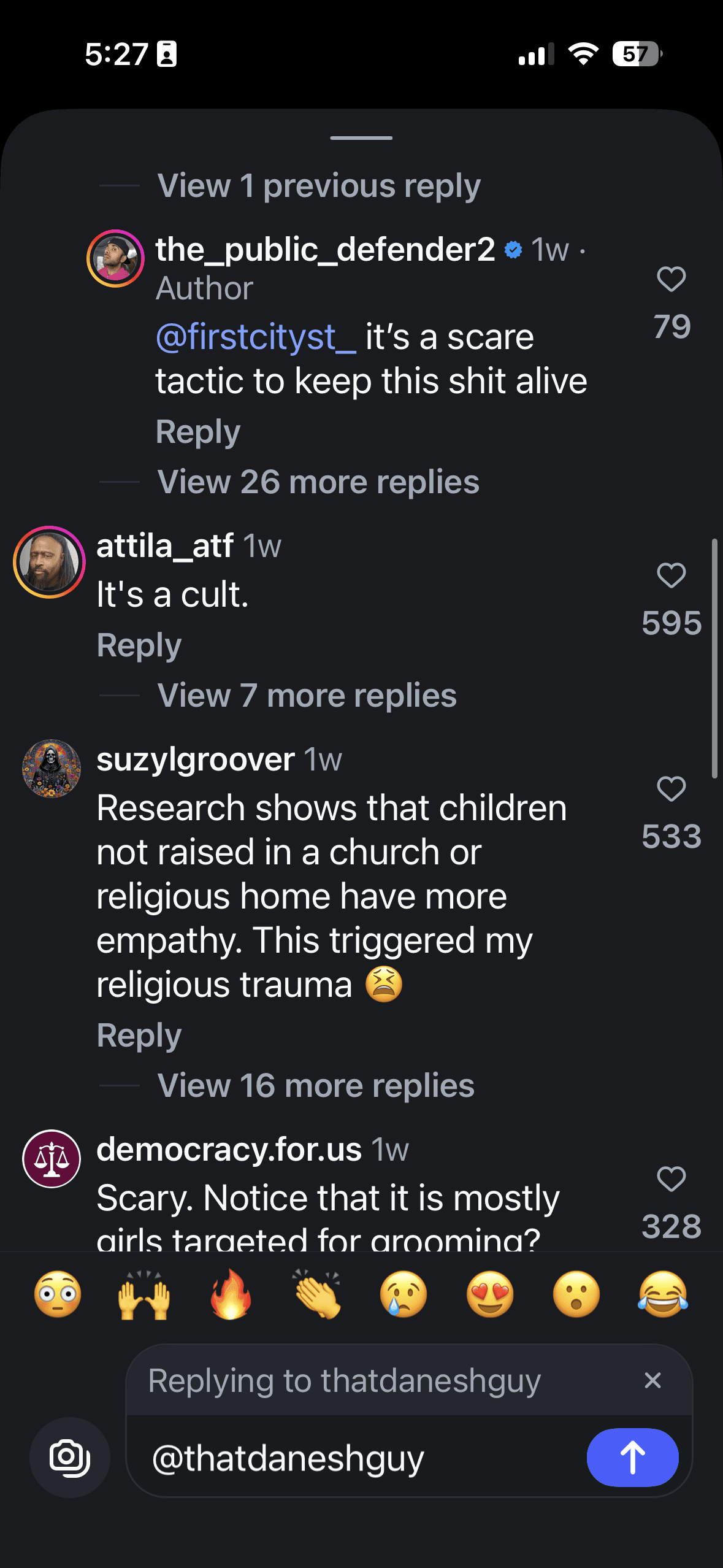
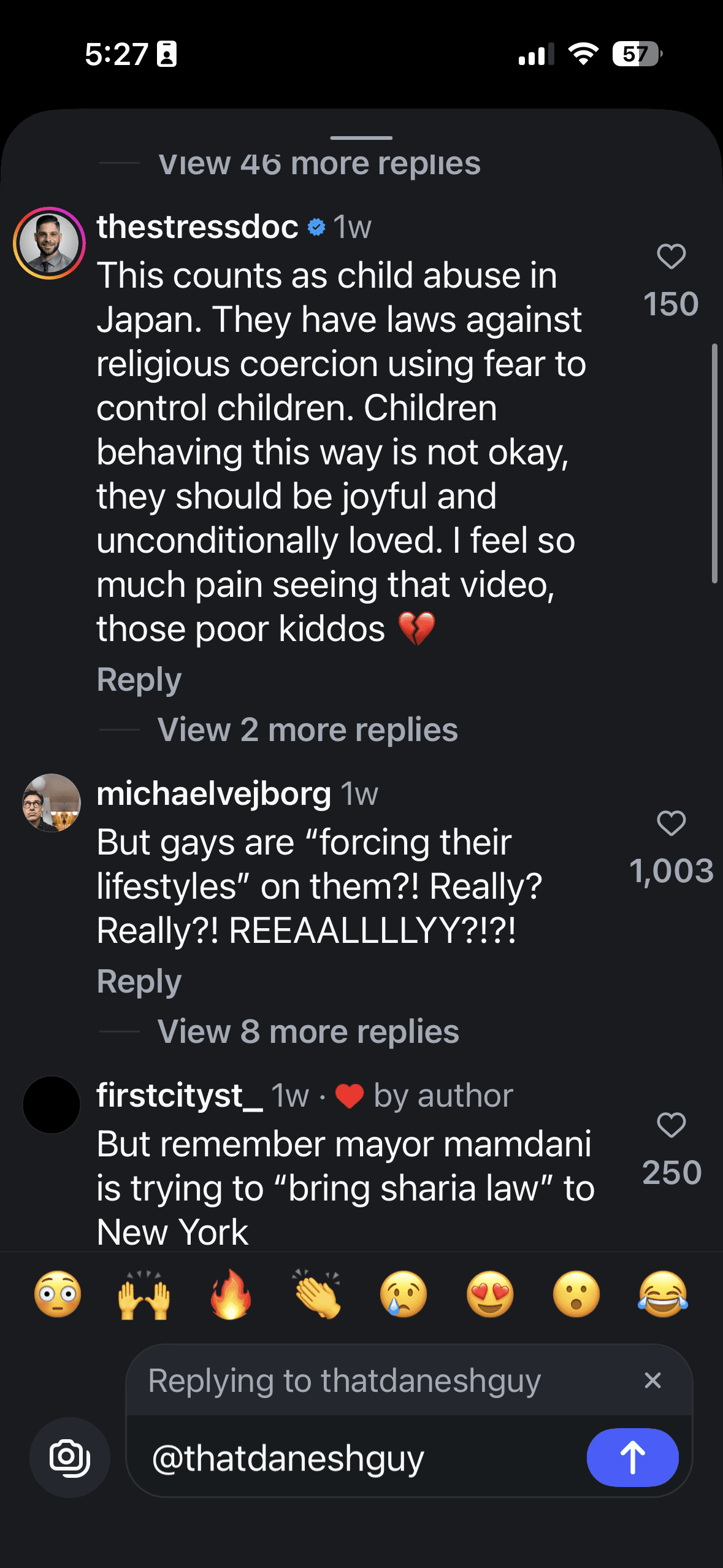
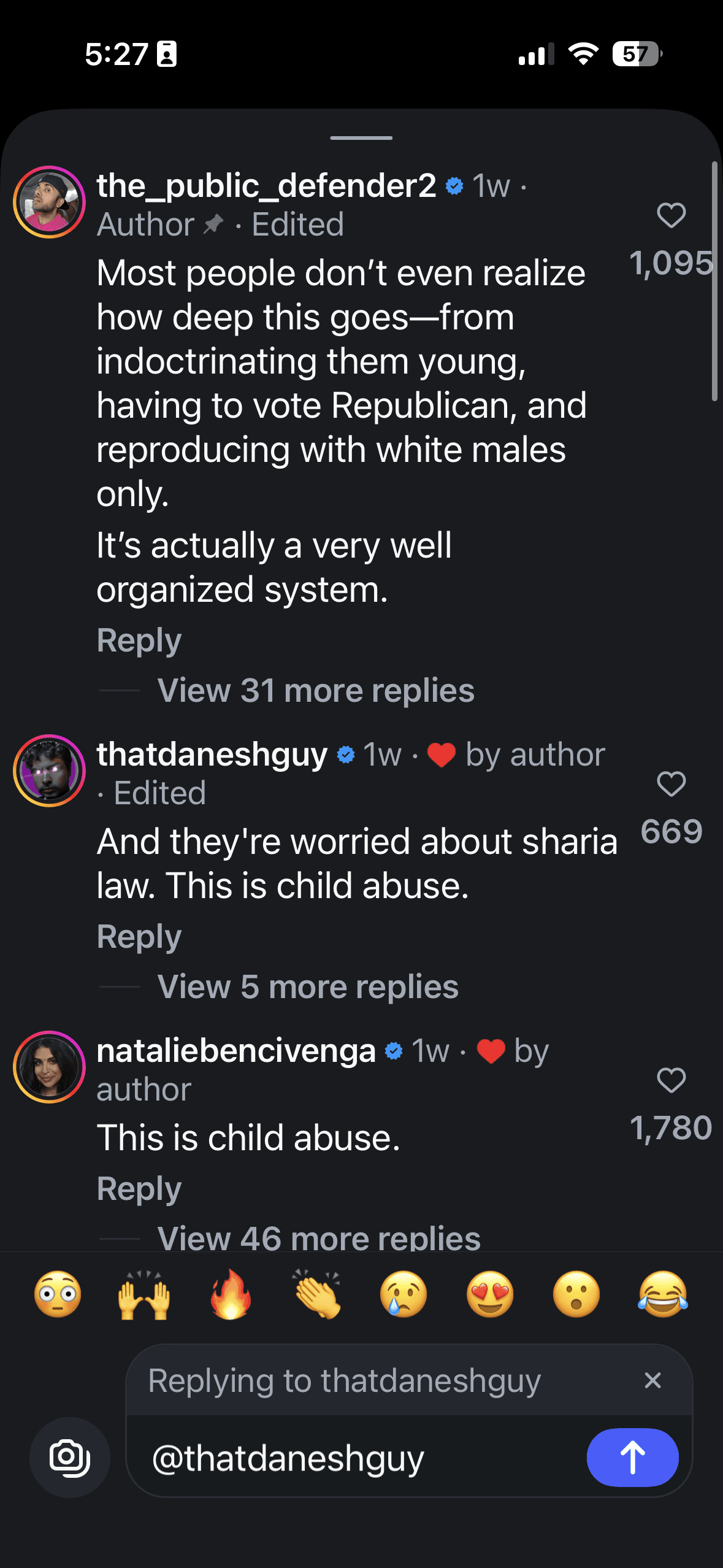
Several people reacting to the footage have described the scene as child abuse, indoctrination or psychological pressure.
Some commenters have also shared personal experiences from growing up in religious environments, describing situations where they felt pressured to demonstrate their faith or questioned themselves when they could not have the same spiritual experiences as others.
Those personal accounts do not prove that the children in this particular video were abused. But they help explain why the footage has generated such a strong reaction from people who grew up in similar environments.
The concern raised by critics is not simply that children are participating in religion. It is whether children are being pressured to display particular emotions or spiritual experiences to satisfy the adults around them.
Others see a religious experience, not abuse
Not everyone interprets the footage in the same way.
For Christians familiar with Pentecostal worship, speaking in tongues can be a deeply meaningful part of their faith. They may see the children's actions as sincere expressions of religious belief rather than evidence of mistreatment.
That difference matters.
A short video showing children crying or praying intensely cannot, by itself, establish whether they were frightened, pressured, participating willingly or responding to an experience they understood differently from outside observers.
The clip has also opened a wider conversation about religious upbringing, parental responsibility and how much freedom children should have to question the beliefs in which they are raised.
What the video does not establish
There is an important limitation to the online discussion: the footage alone does not tell viewers everything that happened before or after it was recorded.
The original date, exact location and full circumstances surrounding the recording have not been independently established from the material reviewed for this story.
There is also no verified evidence in the material reviewed that authorities investigated the incident or formally determined that child abuse had occurred.
That distinction is important.
Concern for children deserves to be taken seriously, but a viral clip and angry comments are not the same thing as verified findings about what happened.
At the same time, religious belief does not automatically make every practice involving children appropriate. Children's safety, emotional well-being and freedom from coercion matter, whatever the belief system involved.
So where should the line be drawn?
The debate goes beyond one video.
It raises a question that families, religious communities and society continue to face: how can parents pass on their beliefs while allowing children room to develop their own understanding without fear or pressure?
Some will argue that religious expression should be protected and that outsiders cannot understand what they are seeing without the full context.
Others will argue that adults have a responsibility to question any practice that appears to distress children.
Both the religious context and the children's well-being deserve careful consideration.
The central question is not whether people should be allowed to practise their faith. It is whether the children involved are safe, willing participants — and whether anyone can determine that from a short video alone.
What do you think? Is the footage being misunderstood by people unfamiliar with Pentecostal worship, or are the concerns about children's emotional well-being justified?