For decades she turned rooms into infinite fields of light, pumpkins into icons, and her own name into a byword for polka dots. This week, the world learned that Yayoi Kusama — arguably the most famous living artist on Earth — had already been gone for nearly two weeks.
What Happened
Yayoi Kusama died on August 14 of multiple organ failure at a hospital in Tokyo, at age 97. Her studio did not make the death public until this week, releasing a statement saying she "continued to paint until her final days, never setting aside her brush." The delayed announcement means the news broke and went globally viral this week even though her death occurred nearly two weeks earlier.
Why It Matters
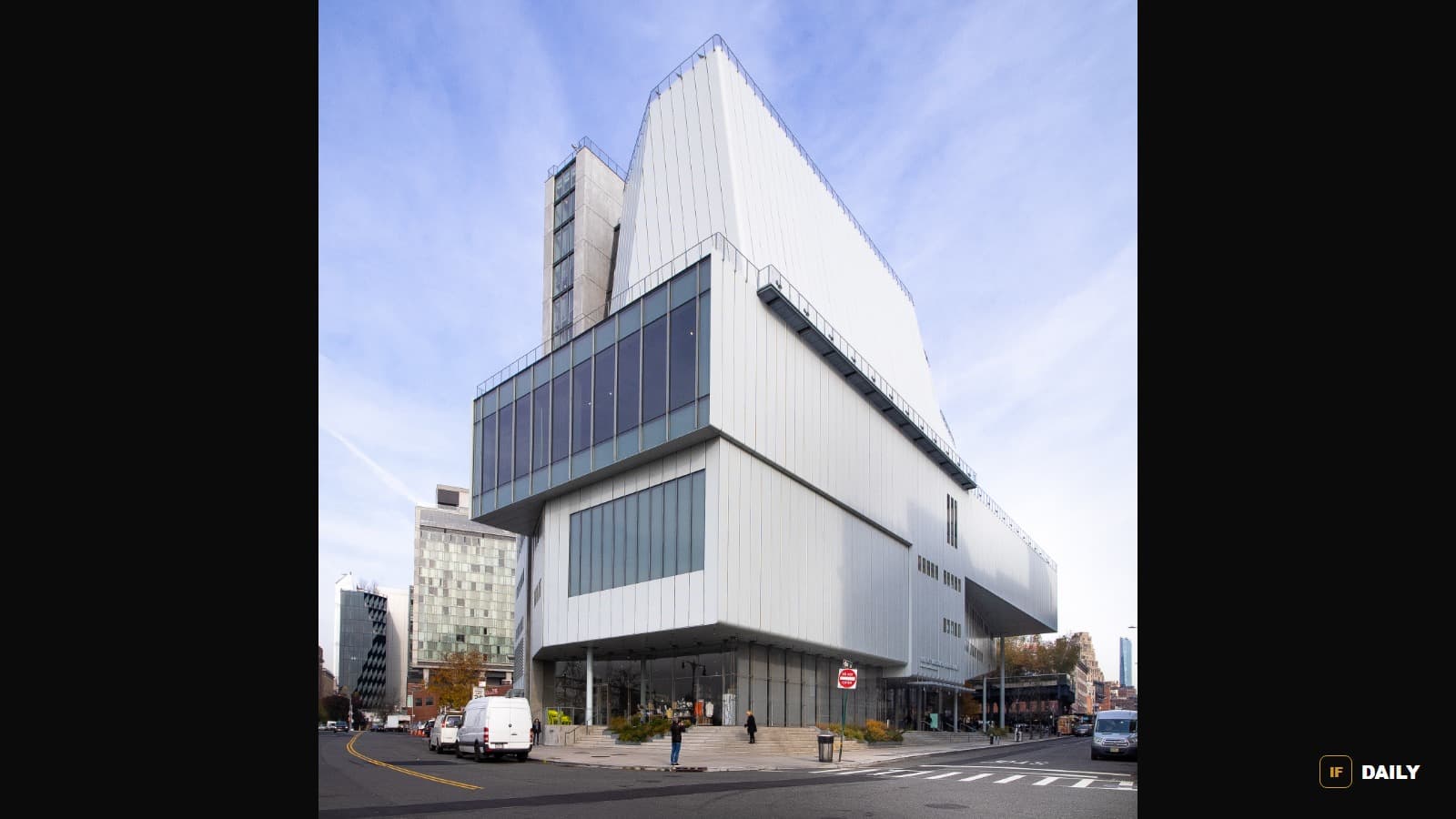
Kusama moved to New York in 1957, one of the first Japanese women to pursue an art career there, and spent years in poverty before her avant-garde work — polka dots, mirrored "Infinity Rooms," and giant pumpkin sculptures — made her one of the best-selling and most exhibited artists alive. An art dealer who represented her called her "without a doubt the most famous living artist in the world" at the time of her death. Her work hung in the Museum of Modern Art, the Whitney Museum of American Art, and Museum Ludwig, and a single work sold for $5.8 million at Christie's in 2008.
What We Know
Kusama received Japan's highest artistic honor, the Order of Culture, in 2016. She had lived voluntarily in a psychiatric facility in Tokyo for decades, working in a nearby studio by day — a detail she was open about, tying her art directly to hallucinations she experienced from childhood. The Stedelijk Museum Amsterdam has now turned an already-planned retrospective into a posthumous tribute, set to open September 11.
What People Are Saying
Tokyo's National Art Center called her a "pioneering artist" with "a profound impact" on the art world. Gallerist David Zwirner, whose galleries hosted numerous Kusama shows, recalled visitors waiting in "hour-long lines for the chance to experience her work." In a 2012 interview, Kusama herself said simply: "Polka dots are fabulous. I want to create a thousand paintings, maybe two thousand paintings."
What Happens Next
Kusama's studio has not announced funeral or memorial details. The Stedelijk Museum's reworked tribute exhibition opens September 11, and further institutional tributes are expected as museums that held her work respond in the coming weeks.
Key Takeaway
The art world is only now processing the loss of a woman who spent seven decades turning her own psychiatric struggles into some of the most joyfully recognizable art ever made — proof that even the world's most famous living artist could keep her final days entirely private.