Residents in parts of Indonesia heard it before they saw anything: booming sounds and tremors rolling in from a volcano that, on a map, looked far enough away not to matter. It mattered. By Sunday morning, the country's busiest airport had gone quiet.
The Eruption
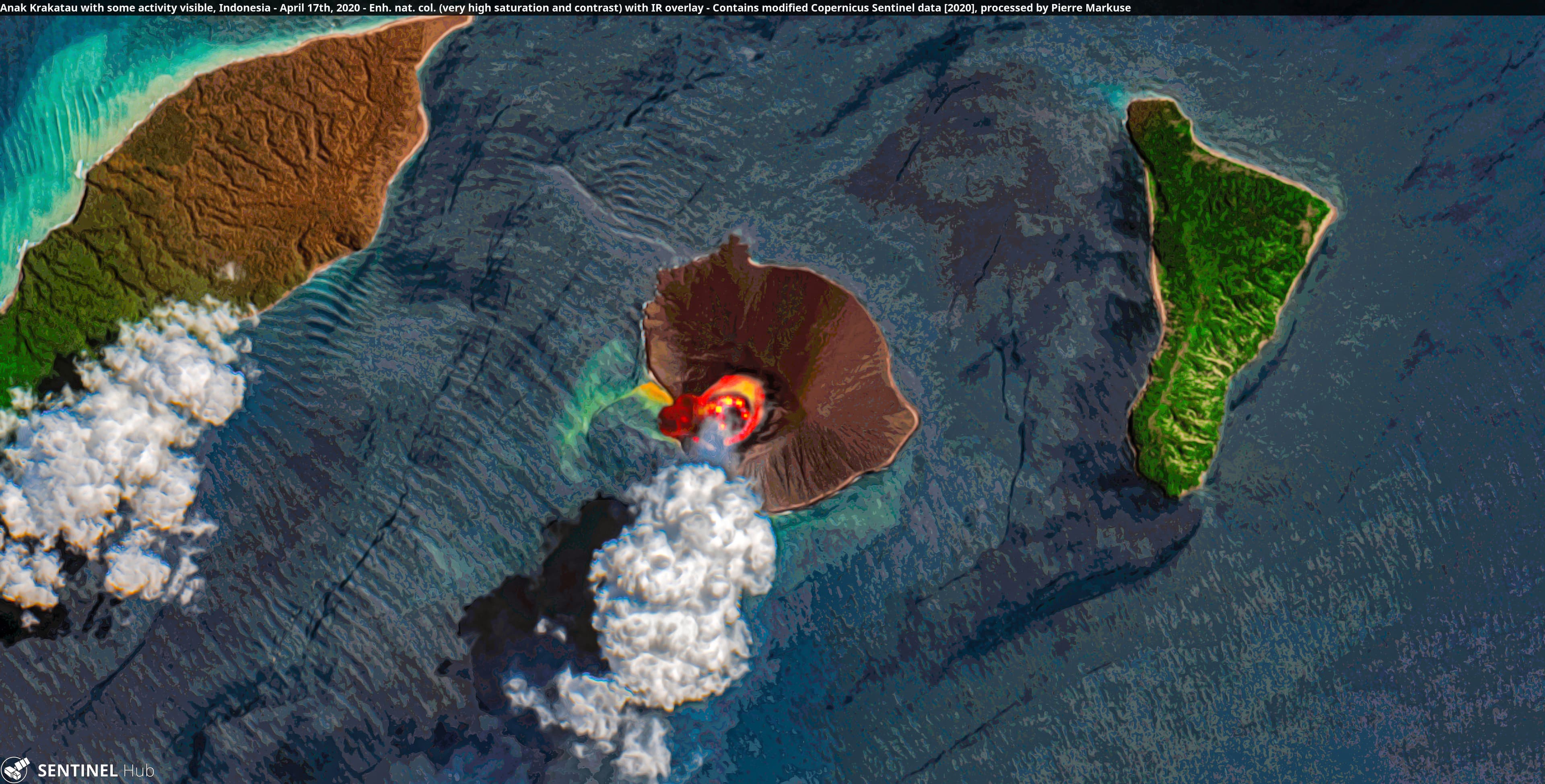
Anak Krakatau — the volcanic island that rose from the site of the catastrophic 1883 Krakatoa eruption — began erupting late Saturday, producing a fountain of lava along with the booming sounds and tremors that residents reported feeling as far as 435 miles away. Ash was tracked as high as 20,000 feet on the Java side of the volcano and up to 50,000 feet toward Sumatra and parts of Banten province.
What It Did to Air Travel
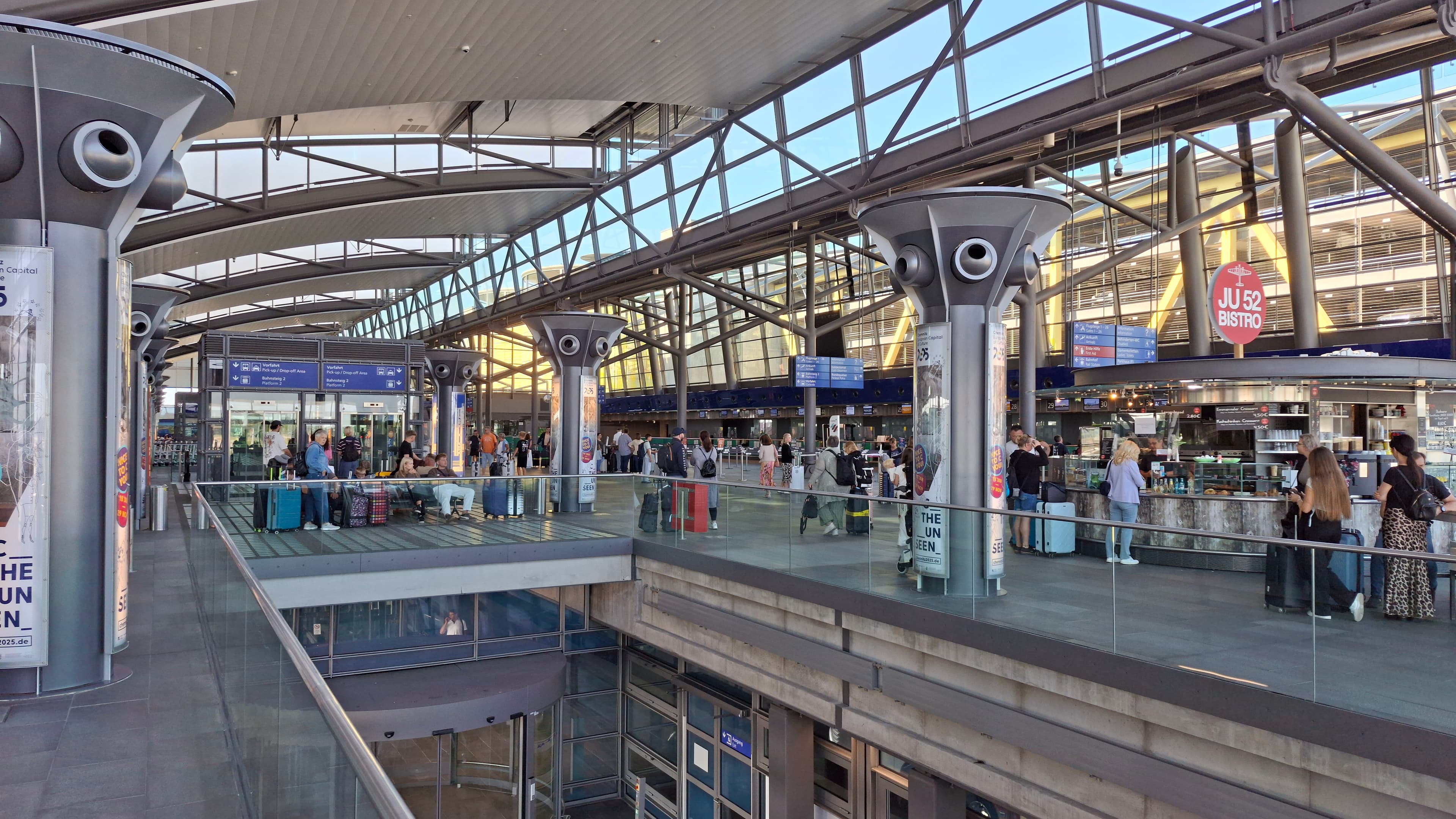
Soekarno-Hatta International Airport — more than 90 miles from the volcano itself — suspended all operations starting around 1:30 a.m. local time Sunday. The shutdown disrupted roughly 301 flights, including 58 international services; Singapore Airlines canceled its Jakarta flights for the rest of the day outright. Five more airports closed alongside it: Halim Perdanakusuma in Jakarta, Raden Inten II near Bandar Lampung, Budiarto in Curug, Pondok Cabe Airfield, and Husein Sastranegara in Bandung.
Why Authorities Moved So Fast
Anak Krakatau — the name translates to "Child of Krakatoa" — carries a history that makes officials cautious rather than complacent. The original 1883 eruption killed more than 36,000 people. In 2018, a partial collapse of the volcano's flank triggered a tsunami that killed over 400 people with almost no warning. A grounded flight is a much smaller price than what this volcano has cost before.
What Happens Next
Indonesian volcanologists recorded two additional eruptions on Sunday, and authorities have not given a timeline for reopening the airports. For now, the ash plume — not the lava — is doing the damage, drifting over a metro area of more than 30 million people.