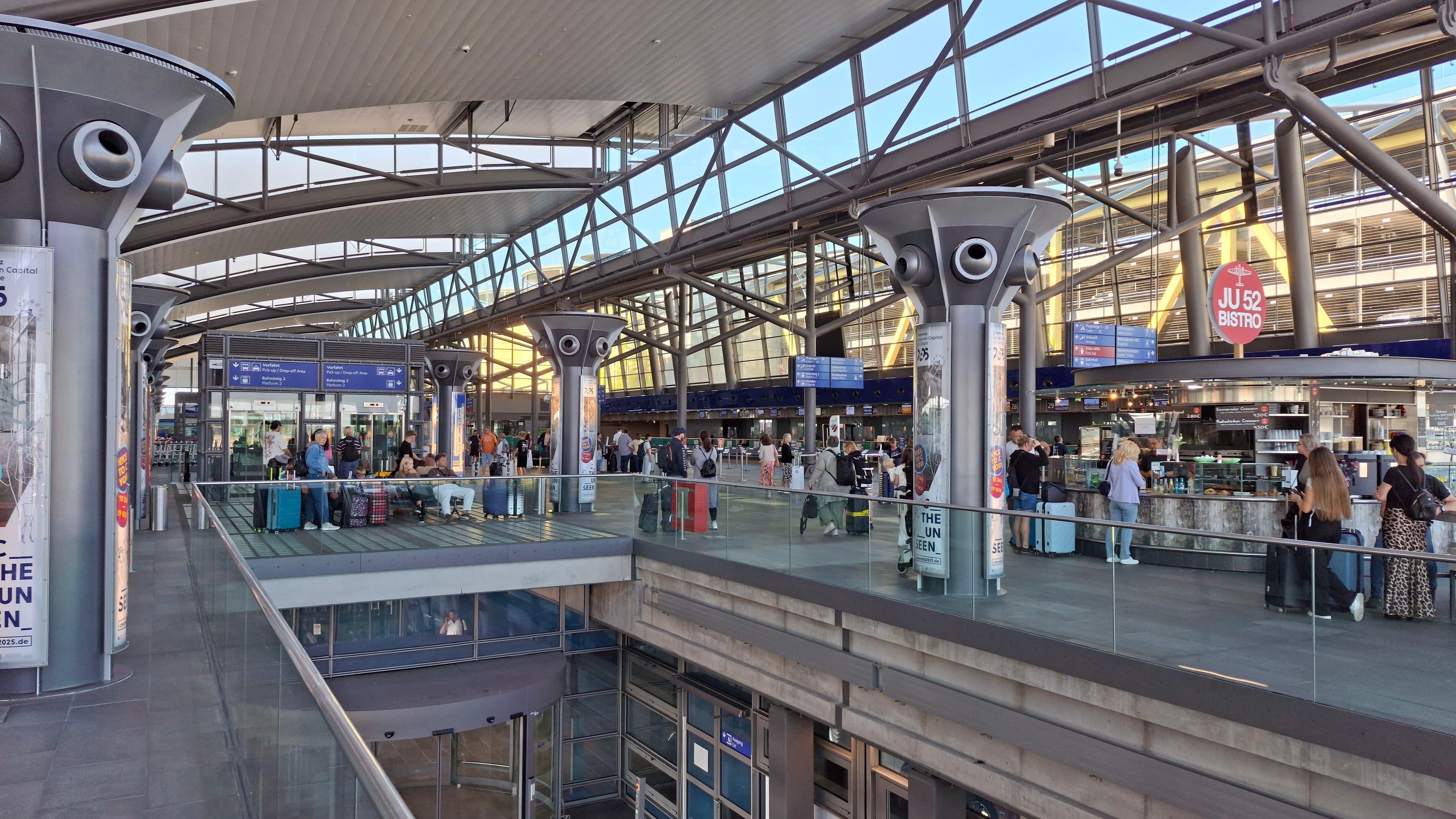
On August 4, security teams at Leipzig/Halle Airport found a drone parked beside a Ukrainian Antonov cargo aircraft. It wasn't a stray hobbyist's toy that had wandered off course — it was carrying an explosive device, rigged and armed, sitting feet away from a plane actively used to move supplies tied to Ukraine's war effort. The device was defused before it could go off. It has taken a month of forensic work for Germany to say publicly who it thinks put it there.
What German Investigators Found
German Interior Minister Alexander Dobrindt said this week that investigators identified drone components, wiring configuration, explosives, and a detonator that authorities recognize from "other Russian hybrid operations" tied to the war in Ukraine — meaning the evidence doesn't stand alone. It matches a signature. Germany's formal conclusion: this was a Russian sabotage operation on German soil, aimed at a plane supporting Ukraine.
The Response
Germany isn't just making an accusation — it's acting on it. The Russian consulate in Bonn will close effective September 18. The lease underpinning the Russian House cultural center in Berlin is being terminated. Berlin has also tightened entry restrictions for Russian nationals and added measures targeting what officials describe as Russia's "shadow fleet" — the network of vessels Moscow uses to move sanctioned oil and, allegedly, to support exactly this kind of covert operation.
Moscow's Response: Denial
Russia's embassy in Berlin called the accusation "absurd." Foreign Ministry spokeswoman Maria Zakharova said Moscow would respond to Germany's measures "in a mirror-image fashion" — diplomatic language for tit-for-tat retaliation, likely against German diplomatic presence inside Russia.
Why NATO and the EU Are Calling This a Pattern, Not an Incident
NATO Secretary-General Mark Rutte and European Commission President Ursula von der Leyen both issued statements of "full solidarity" with Berlin — language reserved for moments alliance leaders want read as significant, not routine. The reason: this isn't being treated as an isolated device at one airport. European officials have spent much of 2026 cataloguing a string of drone incursions, sabotage attempts, and cyber incidents across the continent that they attribute to a broader Russian hybrid-warfare campaign — deniable, below the threshold of open war, but deliberate.
Nothing about this closes cleanly. Russia denies it. Germany says the forensics don't lie. And a consulate closing in three weeks is a diplomatic action with real teeth, aimed at a country Germany is accusing, in effect, of trying to blow up a plane on German ground.