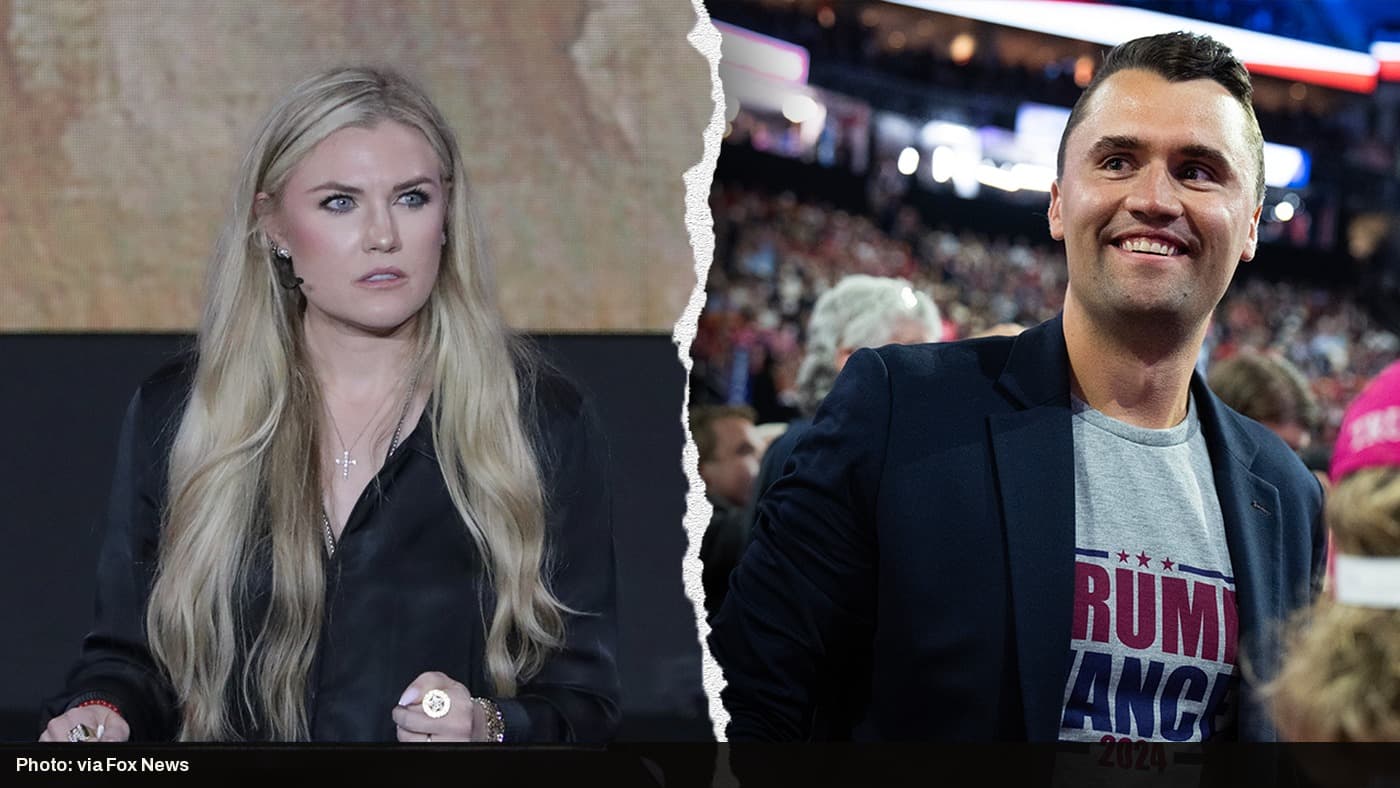
Charlie Kirk was killed on September 10, 2025, shot in a campus courtyard at Utah Valley University by, authorities say, a lone gunman firing from the rooftop of the Losee Center. A year and one week later, his family has taken the first formal legal step toward arguing that the university could have stopped it — and, they allege, had been warned.
Kirk's family filed what's known as a notice of claim against Utah Valley University, the state of Utah, and several named campus officials. In Utah, that filing is a required legal step before a family can sue a government entity — it is not itself a lawsuit, but a formal notice that one may follow. The claim alleges that failures by UVU's campus police directly contributed to Kirk's death.
What the Filing Alleges
According to the notice of claim, Turning Point USA organizers told UVU Police Chief Jeffrey Long, ahead of the event, that students had informed them rooftop access existed at the Sorenson Center — a building described in the filing as close to where Kirk would be speaking, and directly across from the Losee Center, the rooftop authorities say the shooter ultimately used. The filing states Long responded, "I got you covered," and that TPUSA relied on that assurance, believing campus police had the rooftop threat under control.
The family's attorneys allege that UVU police did not have a written security plan for the event, did not hold a security briefing beforehand, and left rooftops in the area unsecured. The filing also claims that surveillance cameras covering the area were not being monitored in real time and that drones were not deployed for rooftop security — and argues that if that monitoring had been in place, Kirk's death could have been prevented. Those are allegations made in the family's legal filing, not findings from a court, and UVU has not yet publicly responded in detail to the specific claims.
Why the Family Says This Should Have Been Anticipated
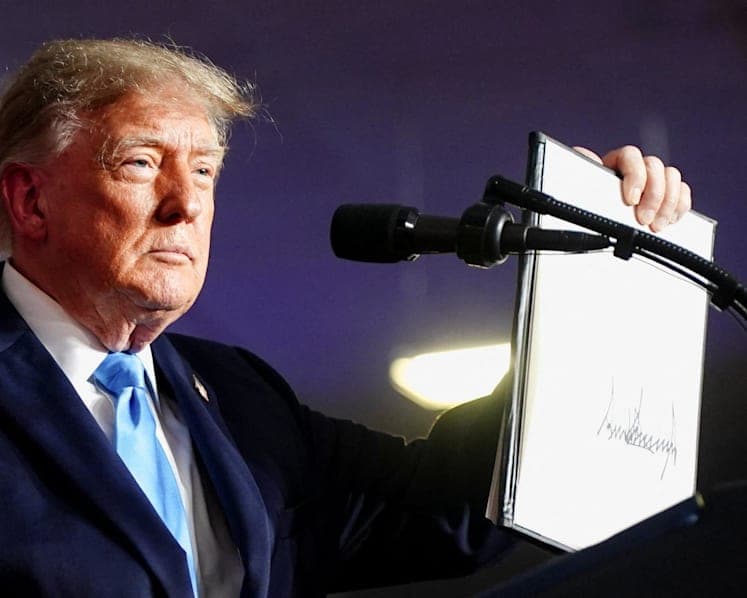
The notice of claim points to a specific piece of context: the previous year's rooftop assassination attempt on President Trump, whom Kirk was closely allied with politically. The filing argues that given that earlier attack, "the risk of a rooftop shooter should have been especially top-of-mind" for anyone planning security around a high-profile political event on a college campus — and that UVU's alleged failure to secure nearby rooftops was a lapse the university should have known better than to make.
What Happens Next
A notice of claim doesn't resolve anything on its own — it starts a clock. Under Utah law, the state or university now has a window to respond before Kirk's estate and family can formally file a wrongful death lawsuit if they choose to proceed. Kirk was 31 and the father of two young children when he was killed. What his family is pursuing now isn't a verdict on what happened that day — it's the opening move in a legal process that could take years to answer the question they're asking: could someone have stopped it.