It took the jury less than three hours. It took the case nearly thirty years to get in front of one.
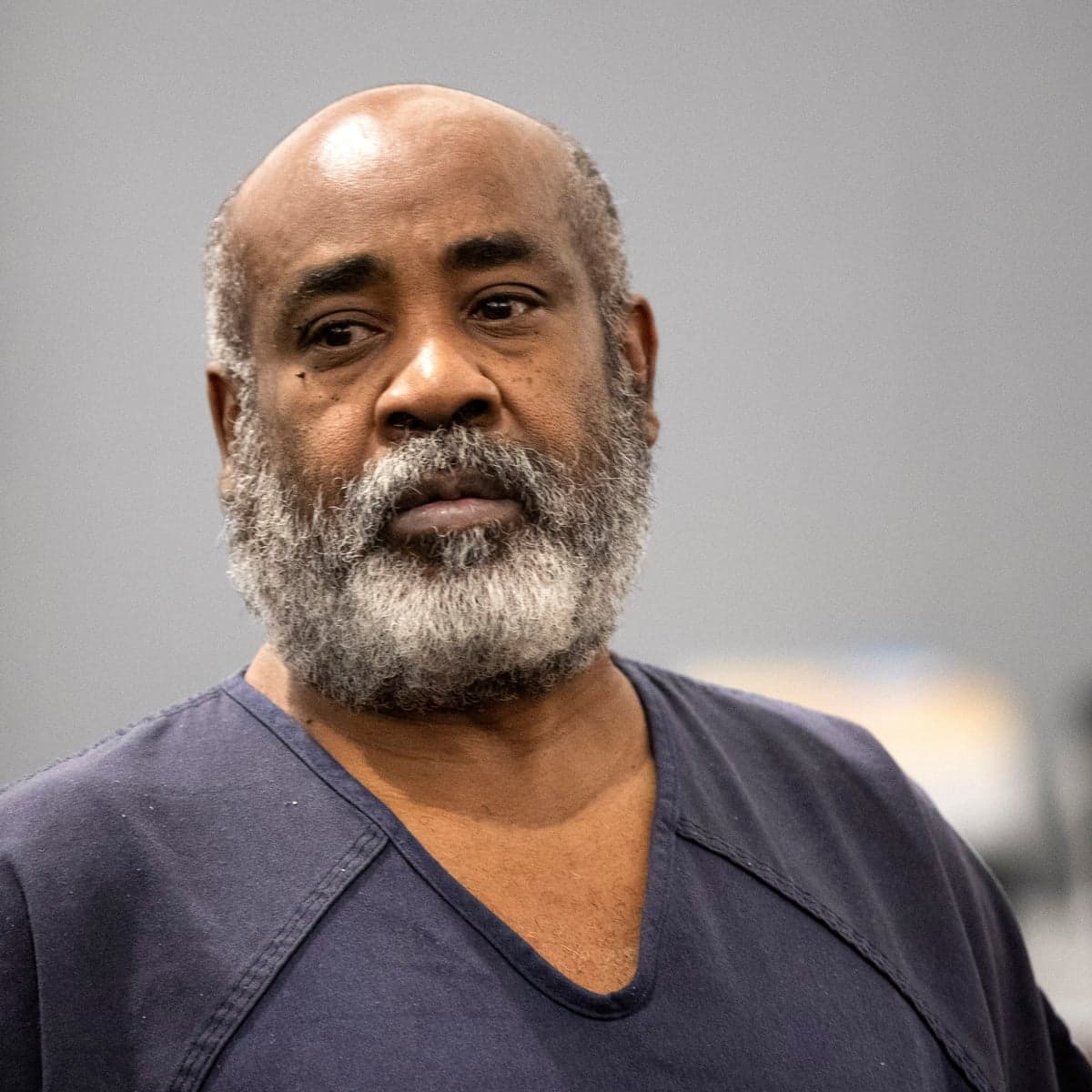
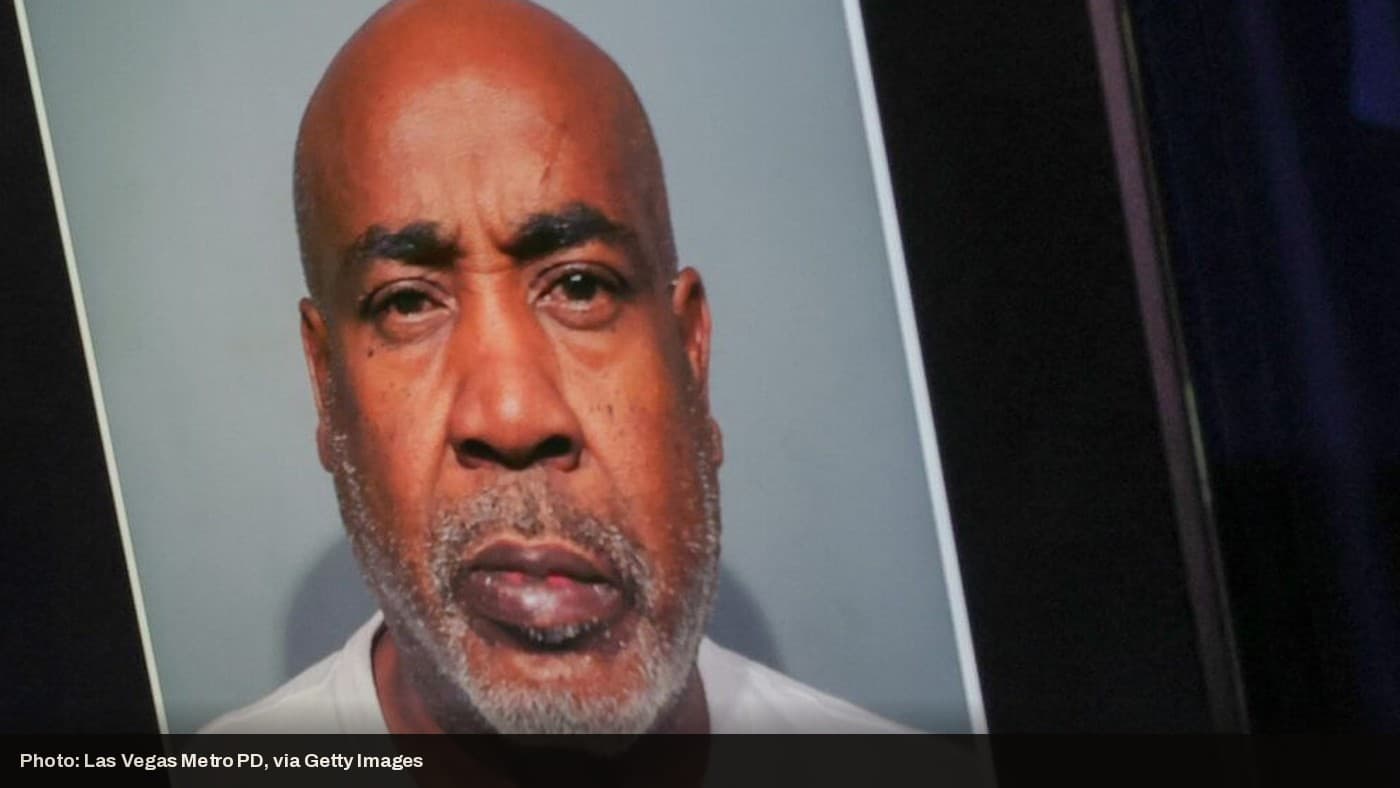
On August 31, 2026, a Las Vegas jury found Duane "Keffe D" Davis guilty of first-degree murder with a deadly weapon for the 1996 killing of Tupac Shakur — the first and only person ever convicted in one of hip-hop's most famous unsolved murders.
The Night It Happened
Tupac Shakur was 25 when he was shot in a drive-by on the Las Vegas Strip on September 7, 1996. He died six days later. Marion "Suge" Knight, the Death Row Records co-founder riding with him, was also hit but survived. For nearly three decades, no one was ever charged.
The Book That Undid Him
What finally cracked the case wasn't new forensics. It was Davis's own memoir. In his 2019 book, "Compton Street Legend," Davis placed himself in the car during the shooting and named his nephew, Orlando "Baby Lane" Anderson, as the one who fired the gun. Prosecutors also played jurors a December 2008 police interview in which Davis, speaking under a federal immunity agreement tied to an unrelated case, gave what they described as a detailed account of his own role that night.
The Motive Prosecutors Described
Davis was a self-described "shotcaller" for the South Side Compton Crips. Prosecutors said the shooting was retaliation: hours earlier, Shakur and people around Knight had beaten Davis's nephew in the MGM Grand casino. Davis, they argued, "went hunting" for Shakur and Knight afterward. Under Nevada law, someone doesn't have to pull the trigger to be convicted of murder if prosecutors can show they orchestrated it — and Davis was never accused of firing the shot himself.
His Defense
By the time the case reached trial, Davis had a different story for the memoir that started it all: he told the court he hadn't really written it, that a ghostwriter had fictionalized it for profit, and that his 2008 statements to police weren't a genuine confession either. His attorney, Michael Sanft, argued Davis "fabricated or embellished his accounts of the killing for money and notoriety" over the years, and that no physical evidence ever placed him at the scene.
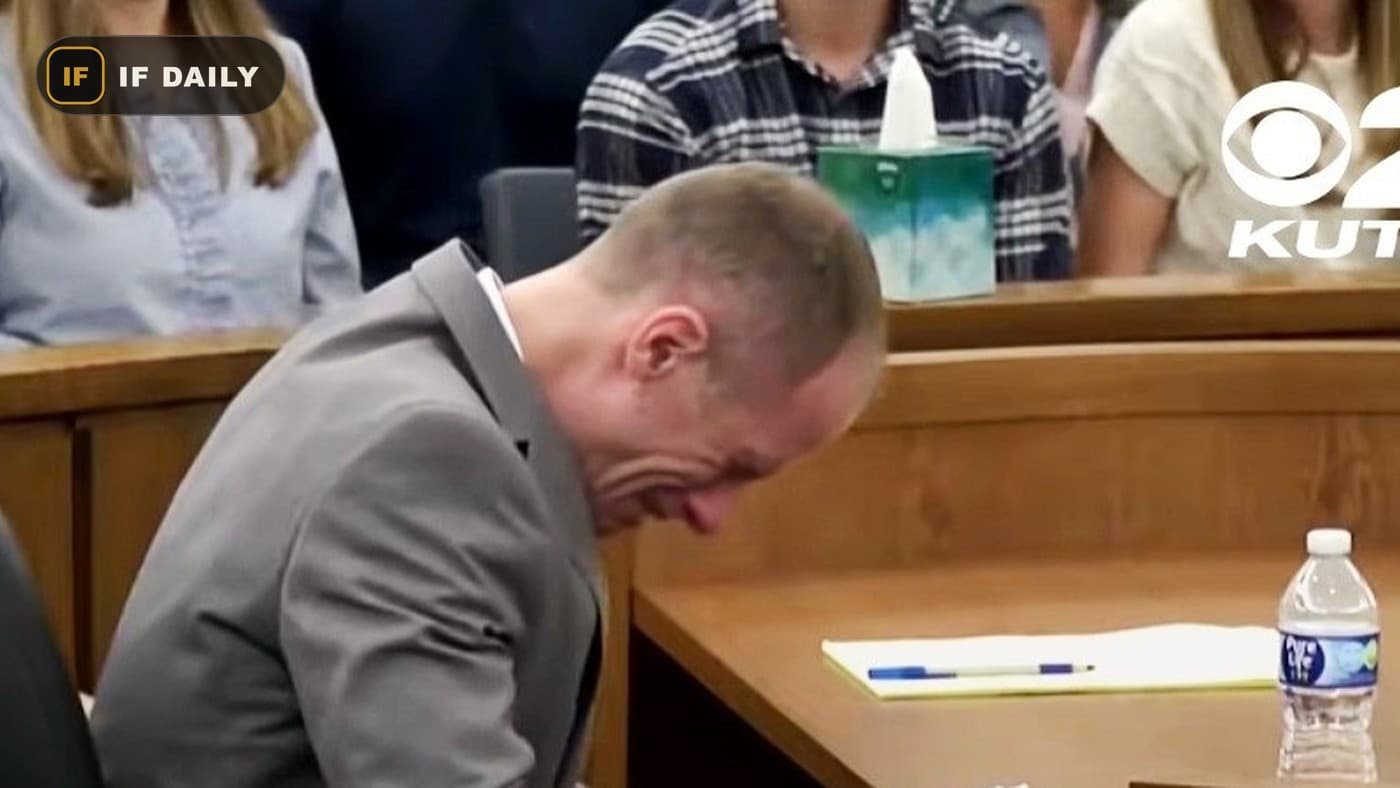
The jury didn't buy it. Sekyiwa "Set" Shakur, Tupac's sister, cried in the courtroom when the verdict came down.
What Happens Next
Davis, now 63, is being held without bail. He's scheduled to be sentenced on October 13 and could spend the rest of his life in prison without the possibility of parole. His legal team has said they intend to appeal, with one attorney telling reporters the verdict is "not the end of the movie."
For three decades, uncooperative witnesses, conflicting stories, and what investigators described as a code of silence inside Compton's gang world kept the case frozen. It was Davis, trying to sell his own story, who finally handed prosecutors the account that convicted him.