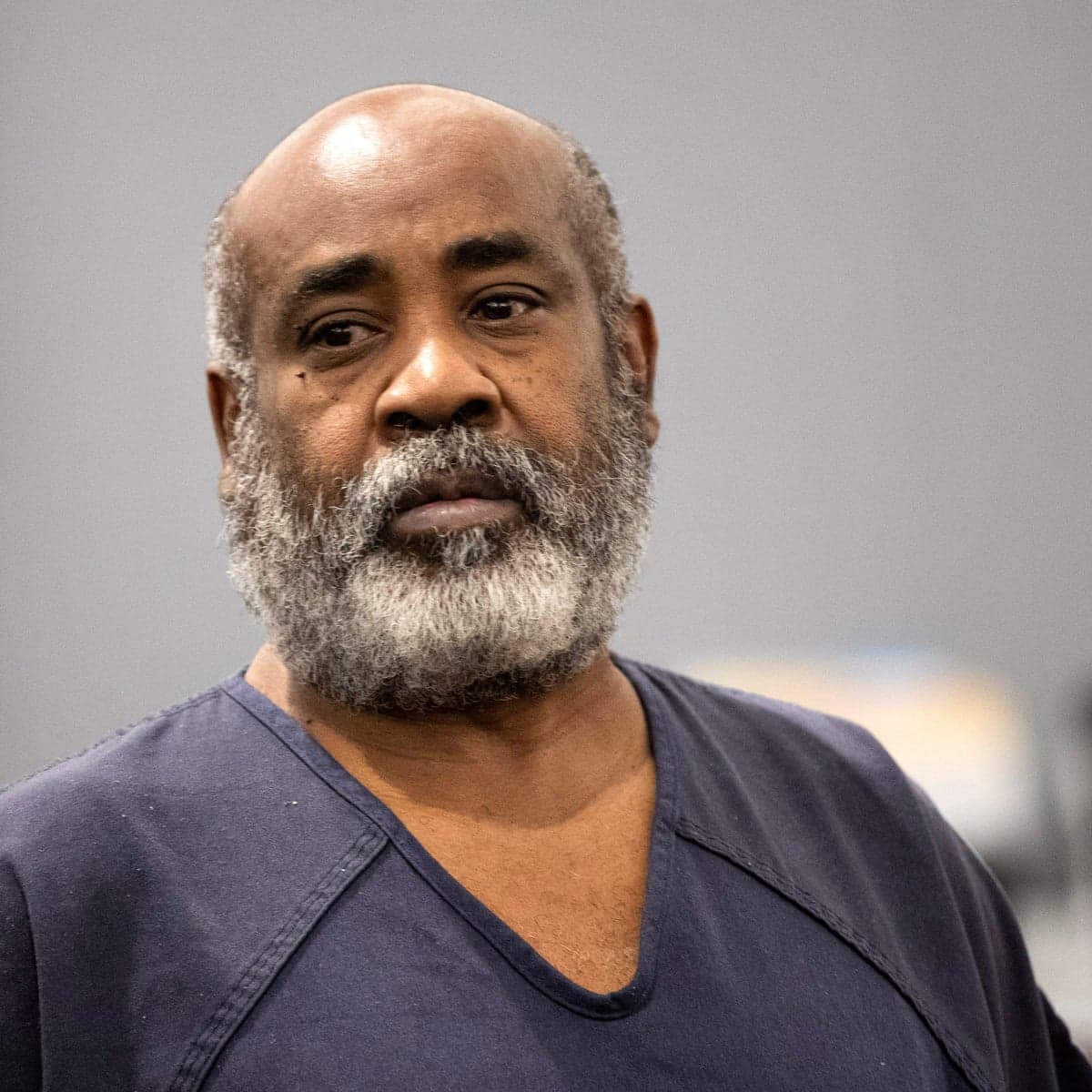
The courtroom in downtown Las Vegas had been quiet for less than three hours when the jury came back. Duane "Keffe D" Davis, 63, stood next to his attorney in an all-black suit and said nothing while the clerk read the verdict: guilty of first-degree murder with use of a deadly weapon. He sat down, folded his hands on the table in front of him, and waited while the jurors were polled one by one.
Behind him, Tupac Shakur's sister, Sekyiwa "Set" Shakur, was crying, reaching back for someone in the row behind her. Other members of the rapper's family embraced each other. One raised a fist in the air. A few feet away, Davis's own son sat with one hand covering his face.
It had taken the jury less than three hours to decide something no one had been able to prove in a courtroom for thirty years: who killed Tupac Shakur.
The Night on the Strip
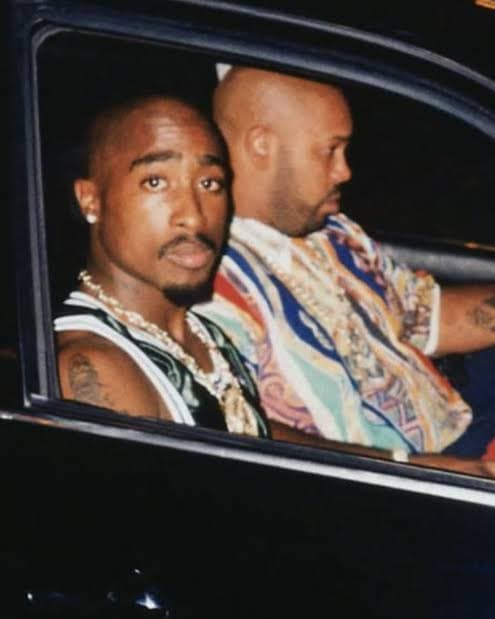
On September 7, 1996, Shakur was a passenger in a car stopped at a red light on the Las Vegas Strip when a white Cadillac pulled up alongside it and gunfire erupted from inside. Shakur was hit multiple times. He died six days later. Death Row Records co-founder Marion "Suge" Knight, who was driving, was also wounded but survived.
Hours earlier, Shakur's entourage, including Knight, had beaten up a young man named Orlando "Baby Lane" Anderson in a casino lobby. Anderson was Davis's nephew. Prosecutors say that beating is what set the rest of the night in motion — that Davis armed himself and went looking for the people responsible.
The Case Nobody Could Make — Until He Made It Himself
For nearly three decades, no one was ever charged. Anderson, long rumored to be the shooter, was killed in an unrelated incident in 1998 and was never prosecuted. The case sat open, one of the most famous unsolved murders in American music history.
What changed wasn't new forensic evidence. It was Davis himself. Over the years he gave interviews describing what happened that night, and in 2019 he published a memoir, "Compton Street Legend," in which he wrote that he had been in the Cadillac and had handed the gun to the men in the back seat. Prosecutors used his own words, told and retold across interviews and book pages, to build the case that eventually put him on trial. Under Nevada law, someone who helps another person commit murder can be convicted of that murder, even without pulling the trigger. Davis was never accused of firing the shots himself.
What the Jury Heard
Over roughly two weeks of testimony, prosecutors called two dozen witnesses; the defense called three. Chief Deputy District Attorney Binu Palal told jurors that Davis "acquired a gun and went hunting" for Shakur and Knight that night, describing him as a shot-caller in the South Side Compton Crips whom younger members followed. Palal pointed to testimony that Davis kept a scrapbook of Shakur-related clippings, and argued the shooting was planned, not a spontaneous act of anger.
Defense attorney Michael Sanft pushed back hard on how thin the physical evidence actually was. There was no surveillance footage, no phone records, nothing placing Davis in Las Vegas that night beyond what Davis himself had said in interviews and in his book. "They have nothing in this case that says that man was here in Las Vegas on Sept. 7, 1996," Sanft told the jury, suggesting Davis had built up his own role in the story for the attention, and the money, that came with it.
They have nothing in this case that says that man was here in Las Vegas on Sept. 7, 1996.
Prosecutors also said they intended to drop a related gang-enhancement charge, citing logistics with a witness, ahead of the case going to the jury on the core murder count.
What Happens Next
District Judge Carli Kierny ordered Davis held without bail. His sentencing is scheduled for October 13, when he faces the possibility of life in prison without parole.
The story that convicted Duane Davis is, in the end, the same one he chose to tell for years, in interviews and in the pages of his own memoir, about a night on the Strip that ended a life and defined his own for the thirty years that followed it. A jury needed less than three hours to decide he'd told the truth — just not in the way he meant to.
IF DAILY — Real Stories • Real Talk • Real Impact. Follow @officialidaresitfrank for more.