About 12% of everything shipped by sea moves through a strait most people couldn't point to on a map. This week, control of it changed hands.
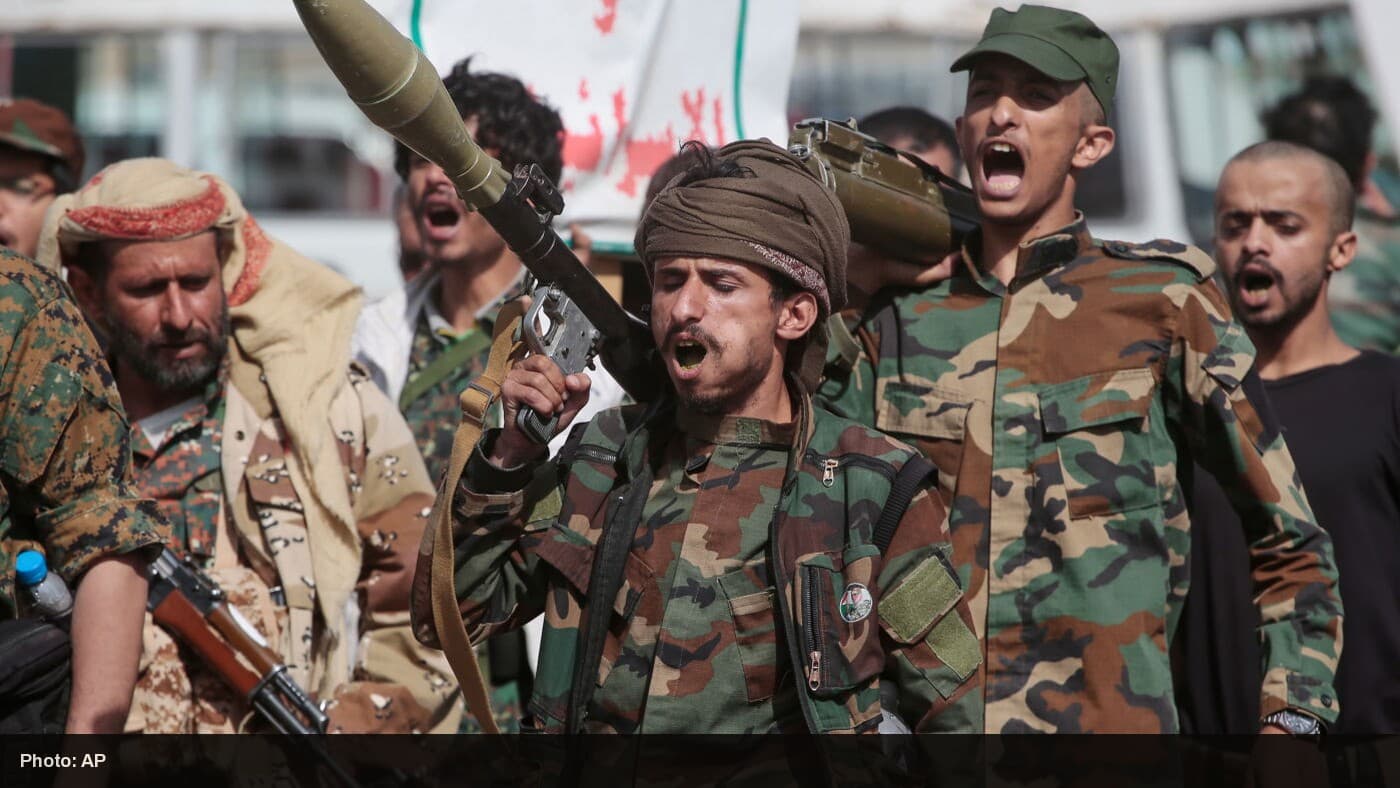
Iran-backed Houthi rebels have completed a takeover of the Yemeni side of the Bab el-Mandeb Strait — the narrow chokepoint linking the Red Sea to the Gulf of Aden, and in turn, the route ships take toward the Suez Canal. The offensive culminated on September 12, 2026, when Houthi fighters reached Perim Island, the small landmass that splits the strait into two shipping lanes, after government forces withdrew.
How They Got There
The island came a day after Houthi forces captured Mocha, a historic Red Sea port city, capping a week-long offensive that left hundreds dead. Between the port and the island, the group now holds effective control of territory along the Yemeni coastline that borders the strait.
Why a Strait Most People Have Never Heard Of Matters
Roughly 12% of the world's seaborne goods pass through Bab el-Mandeb. Saudi Arabia, the world's largest oil exporter, has leaned on the Red Sea route as an alternative to the Strait of Hormuz, where Iran has separately been striking tankers. A hostile force controlling one of your two main export corridors isn't a regional footnote — it's a direct threat to how oil actually gets to market.
The Same Week, a Pipeline Went Dark
Days before the island fell, strikes inside Saudi Arabia forced the shutdown of the kingdom's East-West pipeline. Saudi officials said drones launched from Iraq were responsible, but said they would hold off on retaliating after a request from Iraq's prime minister — while explicitly reserving the right to respond later to protect "sovereignty, security and critical facilities."
What's Actually at Stake
Put together, the two events tell a single story: two of the routes Saudi Arabia depends on to move oil out of the region — the strait its tankers pass through, and a pipeline that moves crude overland — have both come under pressure within the same week. Markets shrugged it off for now; Wall Street closed the week up. Whether that holds depends on what the Houthis do with a strait they now control, and whether Saudi Arabia holds to its decision not to retaliate for the pipeline strike.