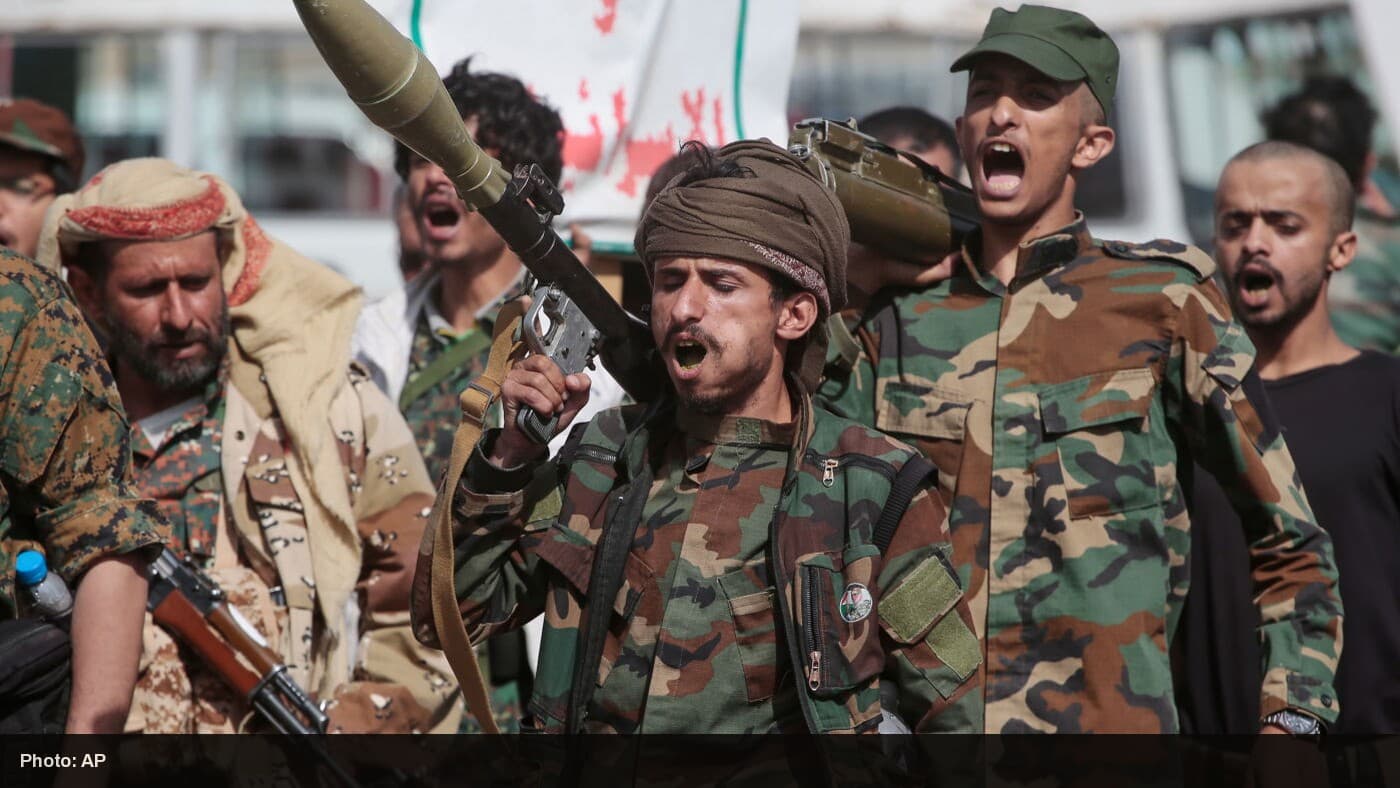
Mocha is where the world's coffee got its name — a small Red Sea port in Yemen that shipped beans to Europe for centuries before the trade routes moved on and the town faded into the background of the news. This week, it fell to a different kind of shipment: fighters, backed by Iran, walking in and taking the port for themselves.
By Thursday, Yemen's Houthi movement controlled Mocha outright, according to multiple sources briefed on the fighting. It's not just a port anymore. It's leverage — Mocha sits close to the Bab el-Mandeb Strait, one of the narrowest, most valuable shipping chokepoints on Earth, the kind of place where a few armed boats can put a global oil market on edge.
How a Port Becomes a Weapon
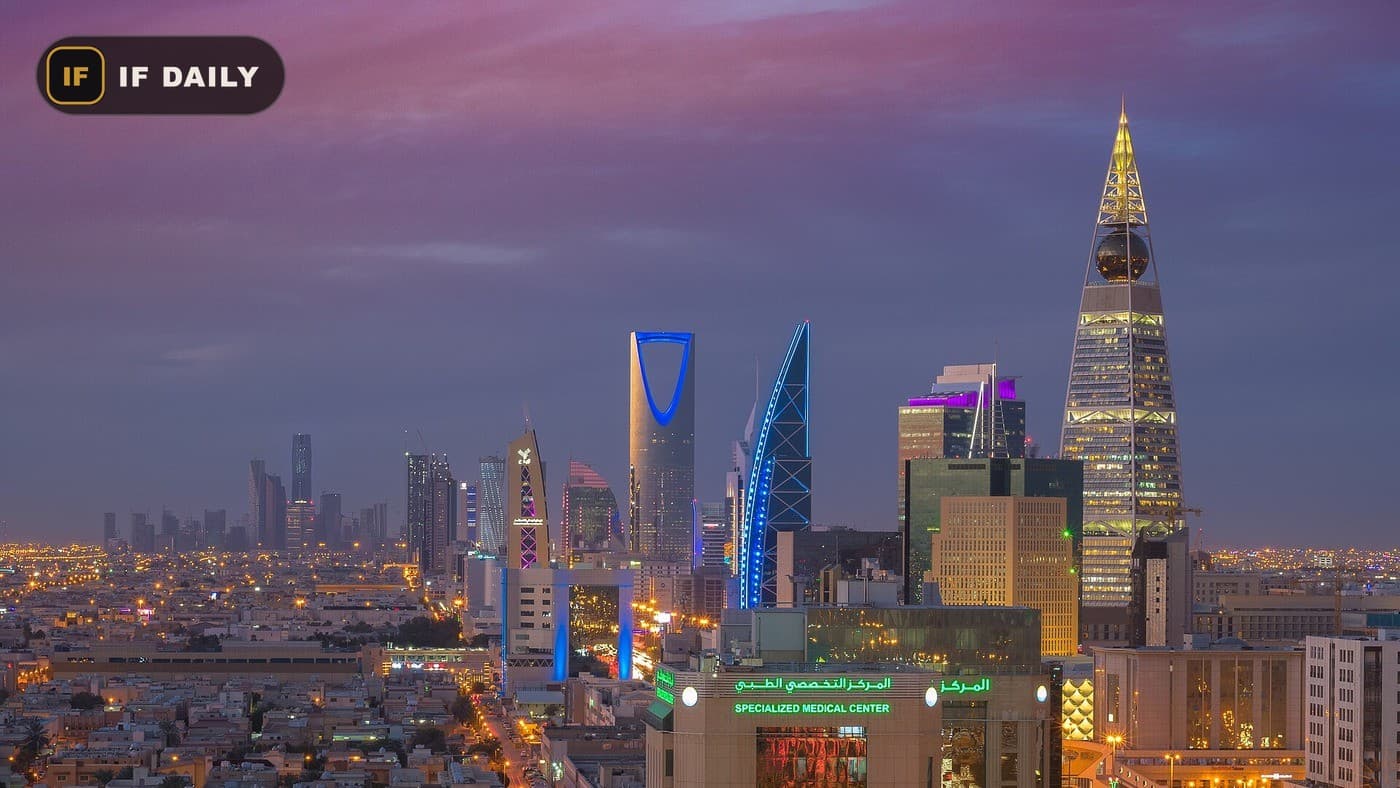
The assault didn't happen in isolation. Iran's Islamic Revolutionary Guard Corps supplied weapons and guidance ahead of the push, according to reporting on the operation. Saudi Arabia answered with dozens of airstrikes across Yemen — the Houthis say 54; Houthi-aligned media claim even more hit other provinces. More than 1,000 people have been killed or wounded in the fighting so far.
Oil prices moved on the news almost immediately. Bab el-Mandeb isn't a strait most people could find on a map, but a huge share of the world's seaborne oil passes through it — and a group that can threaten to close it, even briefly, has leverage far beyond Yemen's borders.
Two Phone Calls to Washington
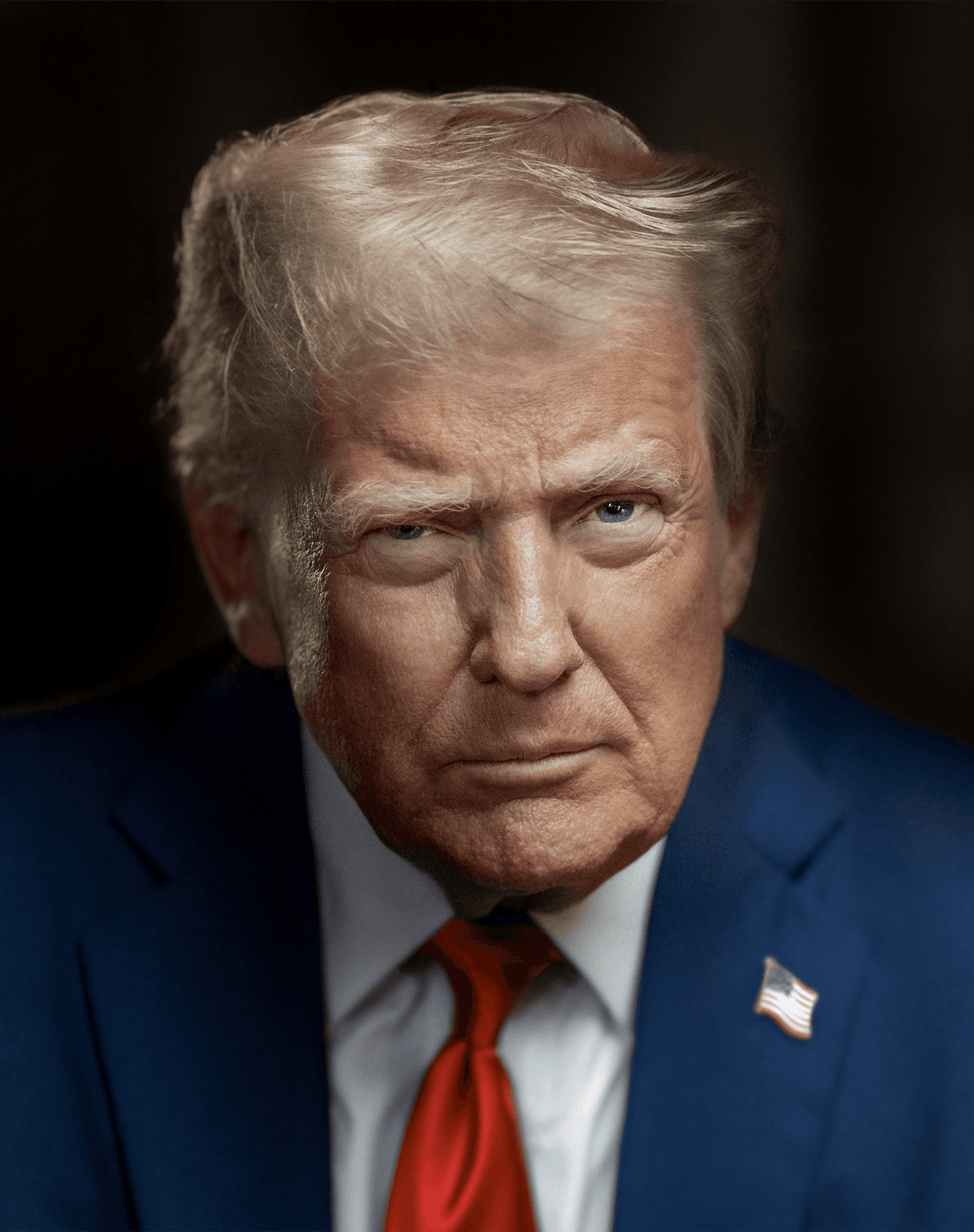
On Thursday, Saudi Crown Prince Mohammed bin Salman called President Trump. Twice. According to Axios, which first reported the calls, the crown prince pushed Trump directly to authorize U.S. strikes on the Houthis before they could tighten their grip on the strait.
Trump said no.
U.S. officials told reporters the administration has no plans to intervene directly against the Houthis for now. Instead, Washington will share intelligence and targeting data with Saudi Arabia and lean on the roughly 200 U.S. military personnel already stationed there in a non-combat, advisory role. A senior administration official framed the priority narrowly: keep the Red Sea open, and leave the fighting itself to regional partners.
Keeping the Red Sea open — not joining the fight directly — is the stated priority.
Senior Trump administration official, on the decision not to strike
What Happens Next
Nothing about this is settled. The Houthis have momentum and a strait within reach; Saudi Arabia is bombing Yemen from the air without the direct U.S. firepower it asked for; and Iran's fingerprints are on a fight that keeps widening without either Washington or Tehran formally stepping into it themselves.
For now, a port that once put its name on coffee cups around the world sits in Houthi hands, oil traders are watching a strait they usually ignore, and the phone call that might have changed the U.S. role in this war ended with the president saying not yet.