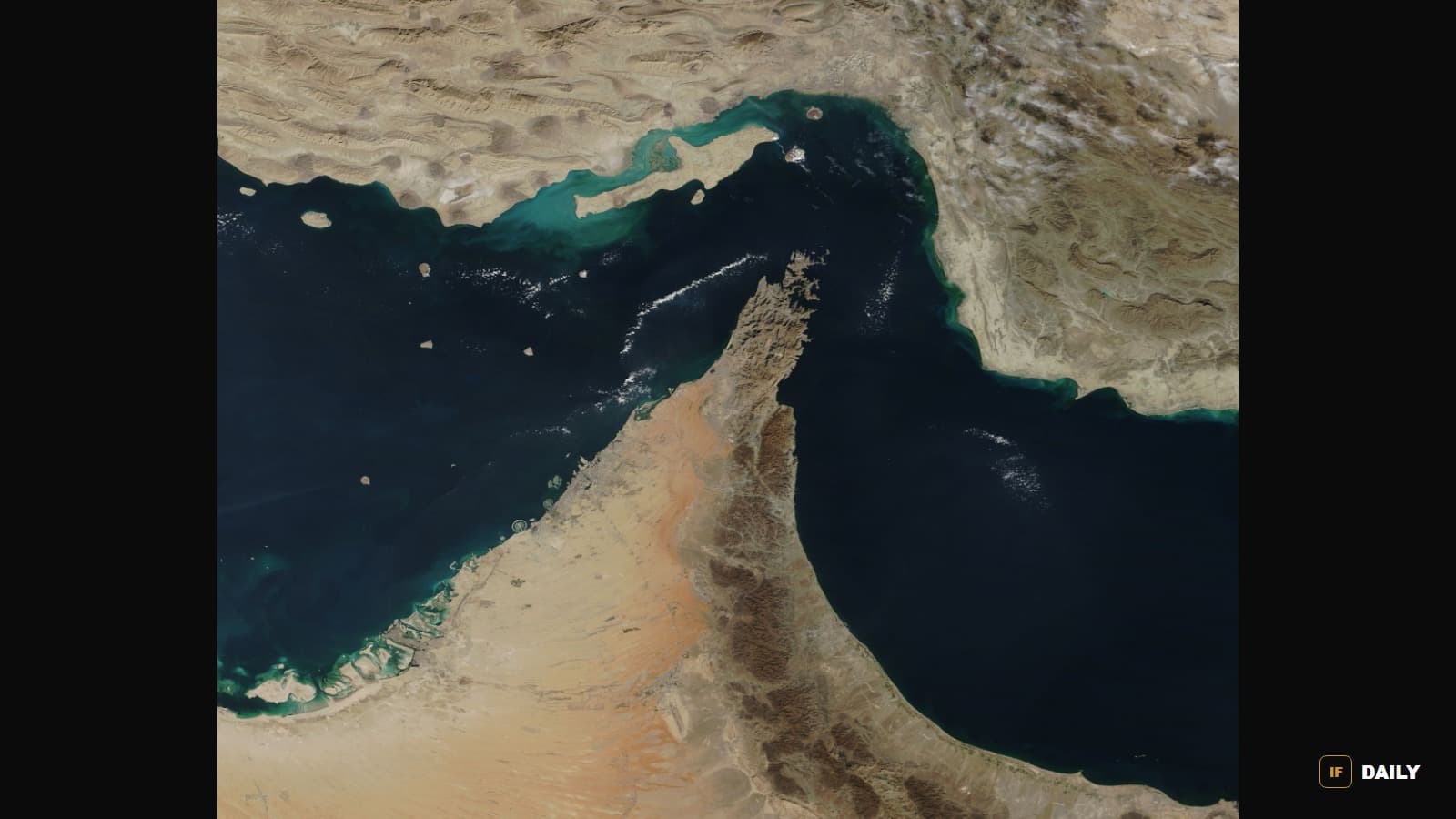
For months, the confrontation between the United States and Iran in the Gulf has stayed just short of direct combat — tanker seizures, disabled ships, warnings fired across each other's bows. On Saturday, Iran aimed at something it had never aimed at before: a US aircraft carrier.
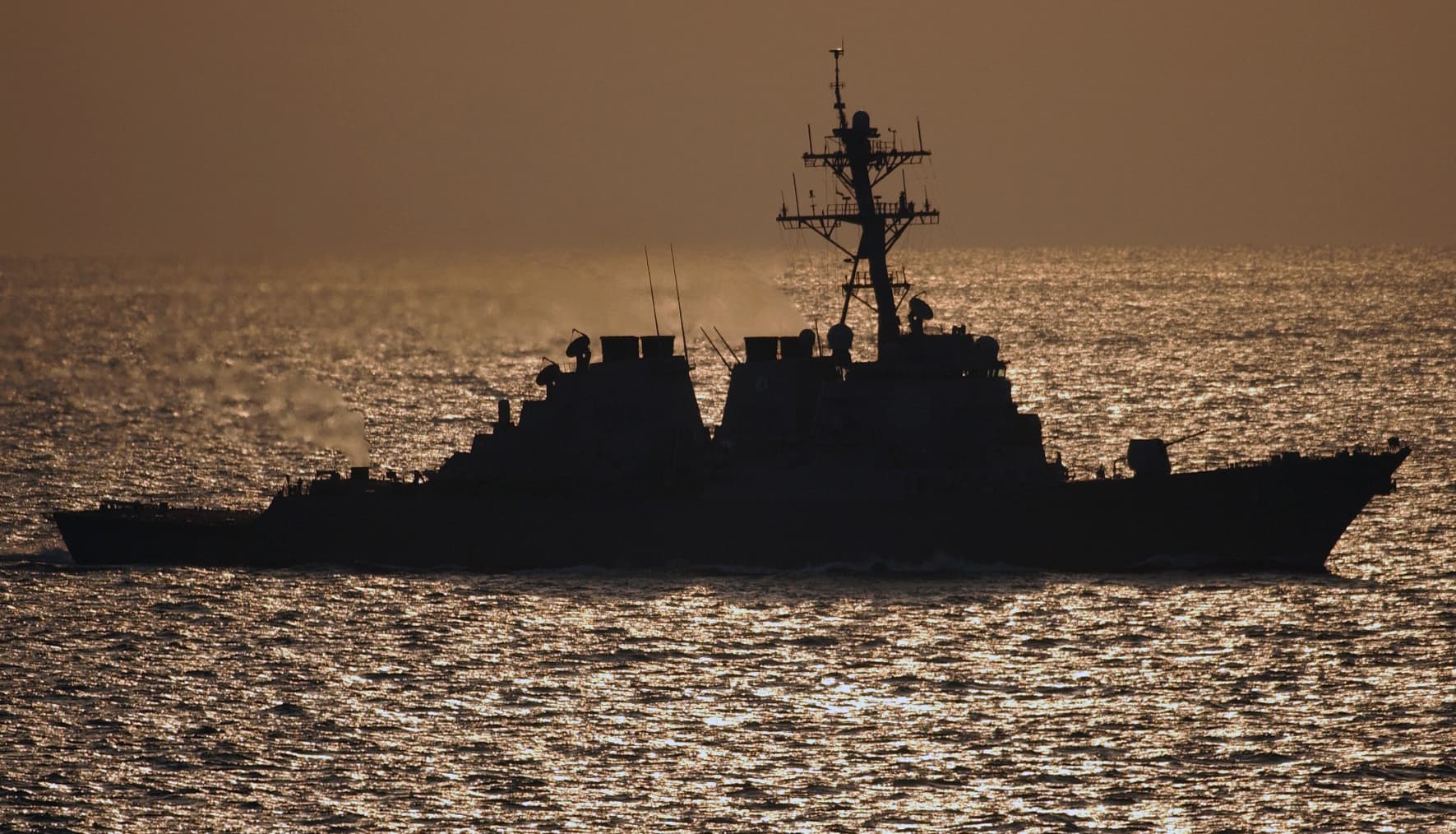
According to U.S. Central Command, Iran's Revolutionary Guard Corps launched a salvo of ballistic missiles at an American carrier and a guided-missile destroyer patrolling near the Strait of Hormuz. Both ships evaded the strikes. Nobody on board was hurt.
A Retaliation for What Iran Calls Harassment
The IRGC said the ships were targeted for "harassing Iranian ships and participating in a naval blockade" — the same waters where the U.S. and Iran have spent the better part of a year trading tanker strikes, seizures, and sanctions. CENTCOM declined to name the ships involved, describing them only as patrolling regional waters.
Both vessels evaded the strikes. There were no U.S. casualties.
U.S. Central Command
Three Tankers Answered For It
The American response landed on Iran's oil fleet within hours. U.S. forces permanently disabled two tankers — the M/T Downy off Kharg Island and the M/T Stark 1 near Jask — and destroyed a third, the unladen M/T Kylo, also known as Noxen, in the Gulf of Oman.
It's the clearest sign yet that what analysts have taken to calling a "tanker war" has stopped being metaphorical. Ships are now being permanently disabled and destroyed on both sides, even as neither government has used the word war.
How This Started
The current run of escalation traces back to a string of tanker strikes and disabled vessels across August, followed by explosions reported near Iran's most important oil terminal earlier this month that officials on both sides declined to explain. Four men died in a strike on Kermanshah days before this weekend's missile launch — which the U.S. described as retaliation and Iran said would not be the last word.
Oil markets have already registered the escalation: Brent crude has climbed past $97 a barrel, its highest level since late July, with U.S. pump prices hitting a Labor Day record.
Where This Goes Next
Neither side has signaled an offramp. The Trump administration has said it is "not in a hurry" to restart talks, pointing to what it calls a collapsing Iranian economy under fresh sanctions. Tehran, for its part, has framed Saturday's missile launch as defensive — a response to what it calls an active blockade — while promising further retaliation for the tanker strikes that followed.
This is a developing story. IF Daily will update as CENTCOM and Iranian officials release further details.