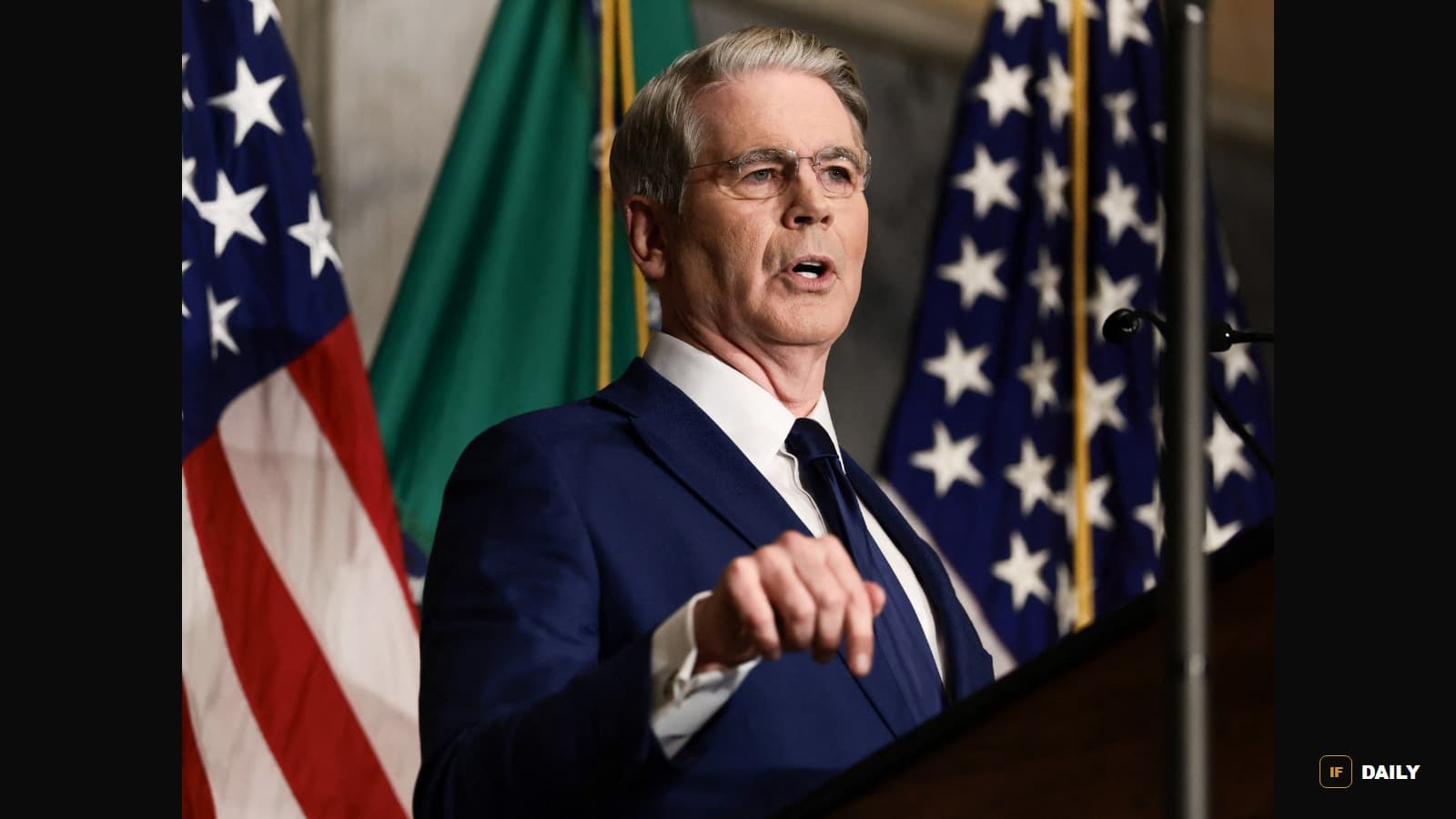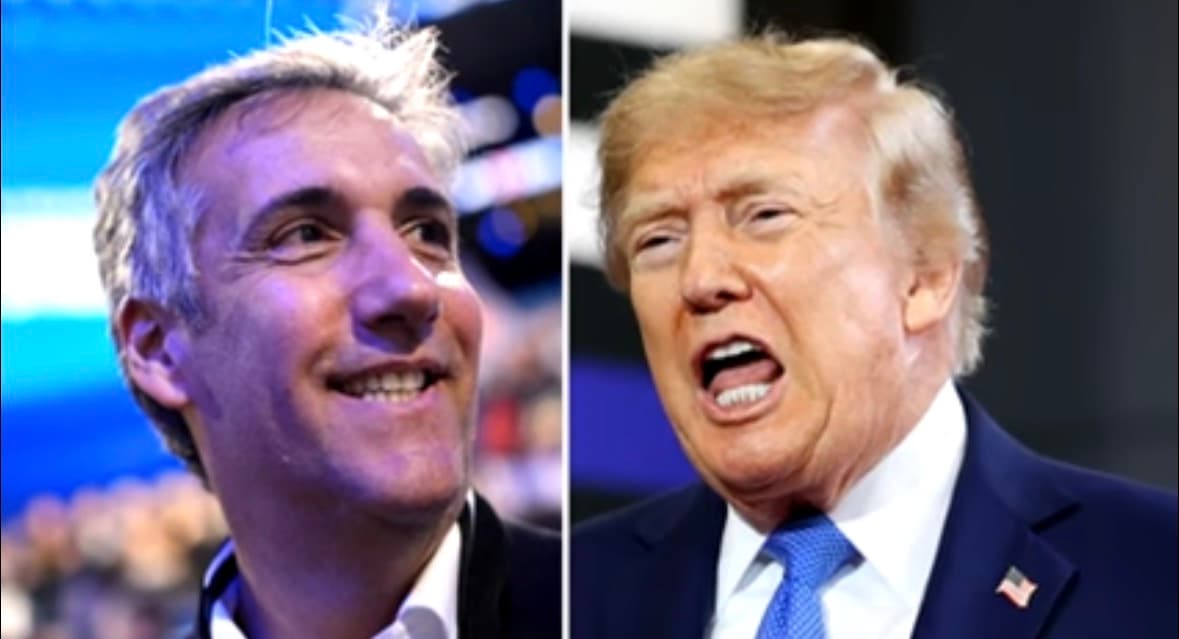
Nearly six months into the US-Israel conflict with Iran, President Trump's message hasn't changed to urgency — it's gone the other way. "I have no time schedule, none," he told Al Jazeera this week. "I'm not in a hurry."
What Happened
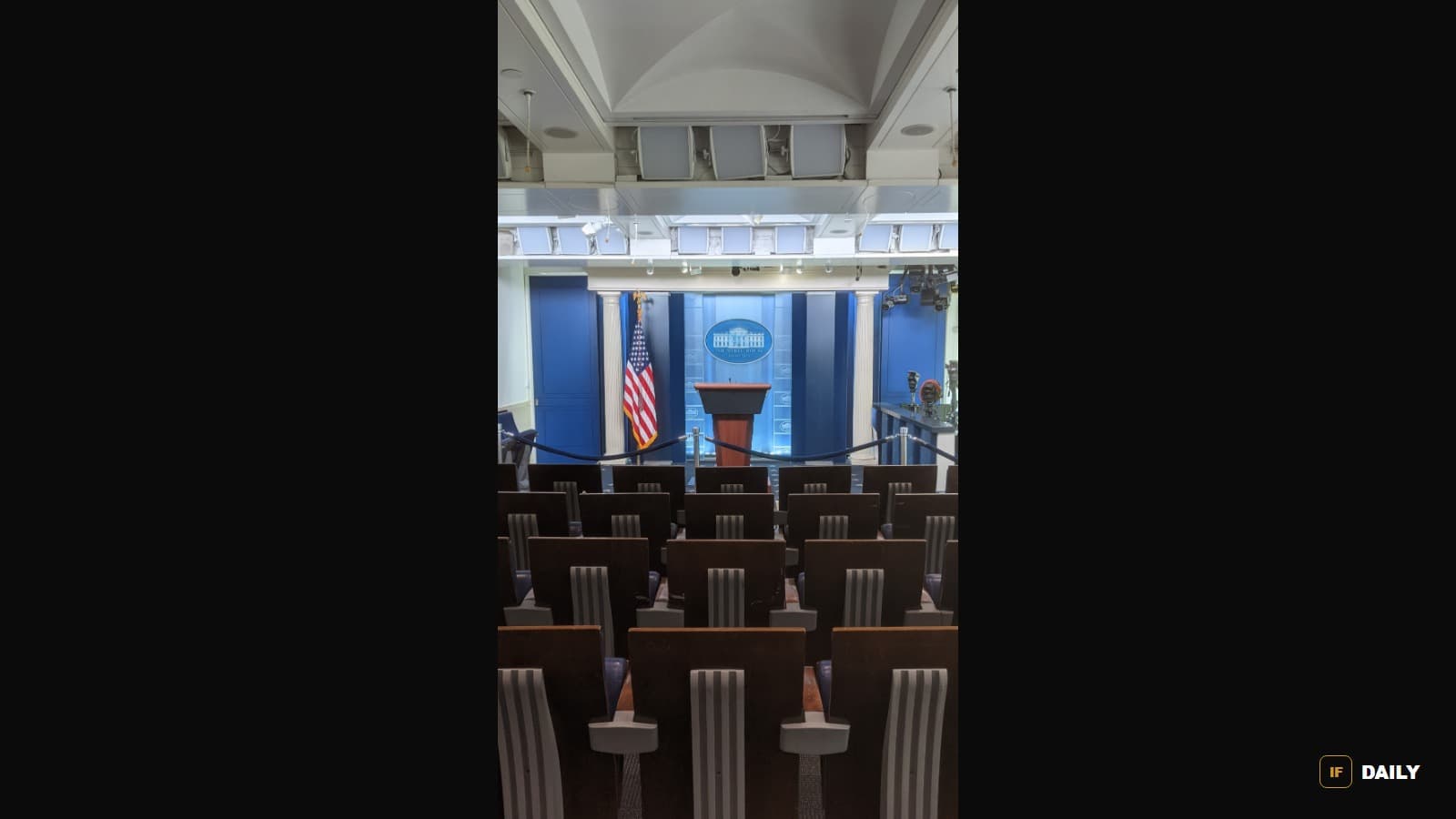
Trump made the comments in an interview with Al Jazeera's Tanya Noury, published Wednesday, saying both economic sanctions and military pressure on Iran "are effective." Hours later Thursday morning, White House Press Secretary Karoline Leavitt echoed the same line at a press briefing, saying Iran "can't pay their police" or "their military" and that the administration continues "pulling every economic lever" alongside an active naval blockade.
Why It Matters
This is a real shift in tone from earlier in the conflict, when Trump had suggested it could be over in "four to six" weeks. Now the administration is framing a drawn-out standoff as a deliberate strategy — waiting for Iran's economy to break rather than pushing for a fast resolution. That has real consequences: it signals no imminent return to negotiations, even as diplomatic efforts continue on a separate track.
What We Know
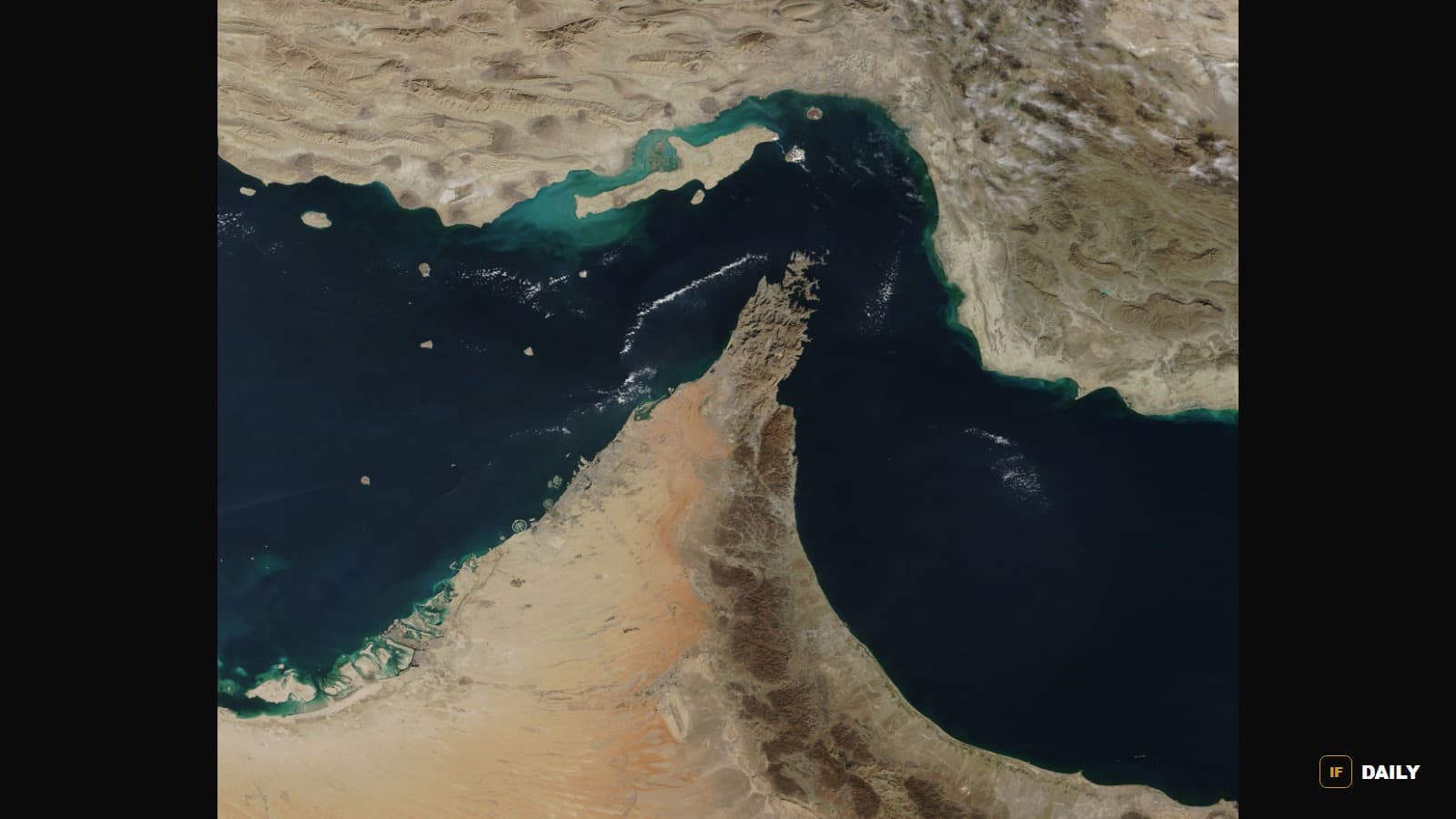
Trump told Al Jazeera Iran has "massive inflation" and its "economy is falling apart." Leavitt went further, CLAIMING inflation is "over 100%." Independent data doesn't quite back the specific number: the IMF's April estimate put Iranian inflation at 68.9% for 2026, while Iran's own statistical agencies reported figures ranging from roughly 58% to 88% for mid-2026, and Iran's Statistical Centre put annualized inflation at 87.9% in July. The real picture, in other words, is a severe but somewhat lower crisis than the administration's "over 100%" framing suggests — genuine economic distress, independently confirmed, but a specific figure that appears to be the administration's own characterization rather than a sourced statistic. Separately, Qatar's foreign ministry said Thursday that Qatar and Iran had discussed a "joint project" to clear mines from the Strait of Hormuz as part of a de-escalation push, and Qatar's prime minister is set to visit Tehran this week.
What People Are Saying
"We are winning very big," Trump told Al Jazeera, adding Iran is "treating their people very badly." Iranian President Masoud Pezeshkian, speaking separately at the 40th International Islamic Unity Conference in Tehran, said "no Muslim country's territory should be used against another Muslim nation" — a message aimed at the region rather than directly at Washington.
What Happens Next
Two tracks are now running in parallel and pointing in different directions: Washington's public posture of maximum pressure with no deadline, and a quieter Qatari-brokered push toward de-escalation, including the mine-clearing discussion and the prime minister's upcoming Tehran visit. Which track actually shapes what happens next in the Strait of Hormuz is not yet resolved.
Key Takeaway
Trump is no longer promising a quick end to the Iran standoff — he's betting that patience, sanctions and a naval blockade will do the work that a faster resolution hasn't, even as a separate, quieter diplomatic channel through Qatar tries to de-escalate the same conflict from the other direction.