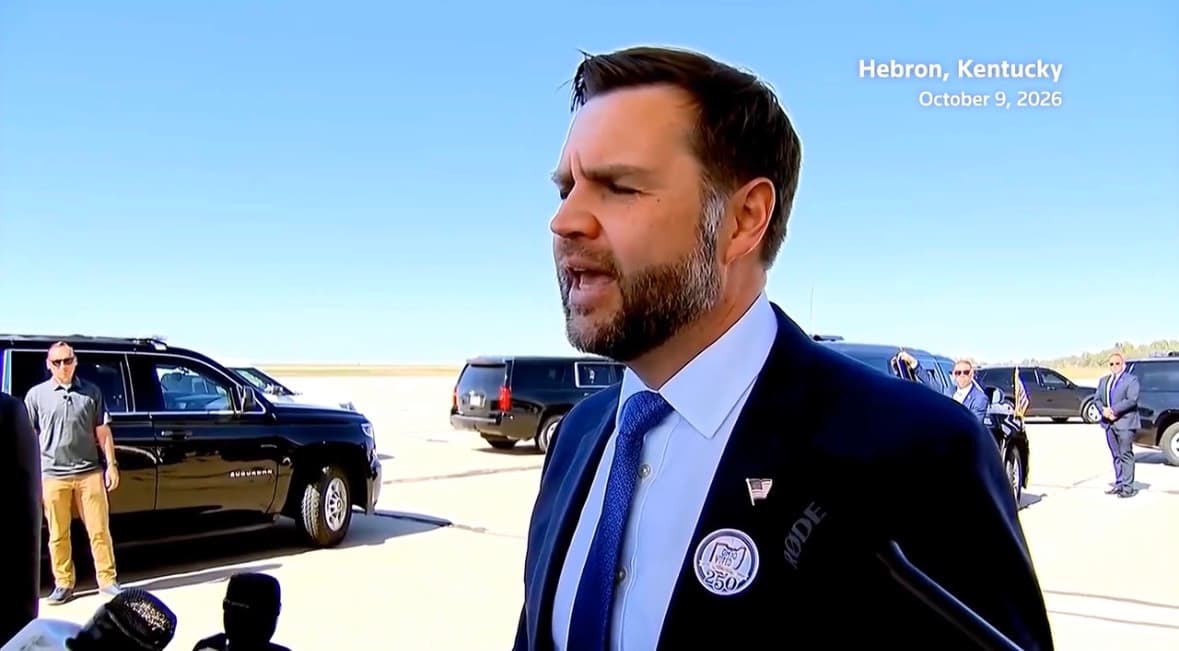
JD Vance has made his position clear: he will not watch the planned livestream of Nidal Hasan’s execution.
But the US vice president also raised another question about the controversial proposal. He is not convinced the livestream will actually happen.
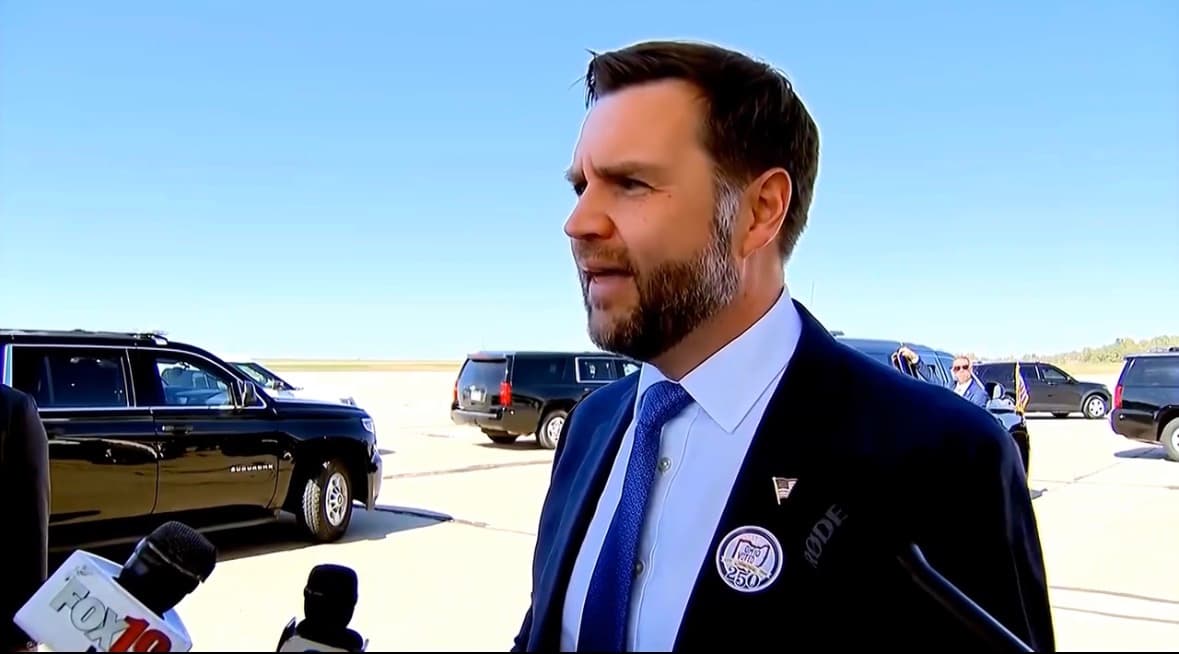
Speaking to reporters on Friday, October 9, Vance said he did not know whether the plan would go ahead. If it did, he added, he would not be watching.
His comments come as the Pentagon faces growing criticism over its announcement that Hasan’s execution by firing squad would be livestreamed.
The case has reopened a difficult debate about punishment, public accountability and whether an execution should be broadcast for people around the world to watch.
What Vance said
Vance was asked about the Pentagon's plan while campaigning in Ohio.
“I don't know that that's actually going to happen,” he told reporters.
He then added that if the execution was ultimately livestreamed, he would not watch it.
However, Vance also urged Americans not to lose sight of the victims of the 2009 Fort Hood shooting.
He said he hoped the controversy surrounding the execution method would not cause people to forget the innocent people Hasan killed.
That distinction matters. Vance questioned the proposed broadcast, but he also stressed the seriousness of Hasan's crimes.
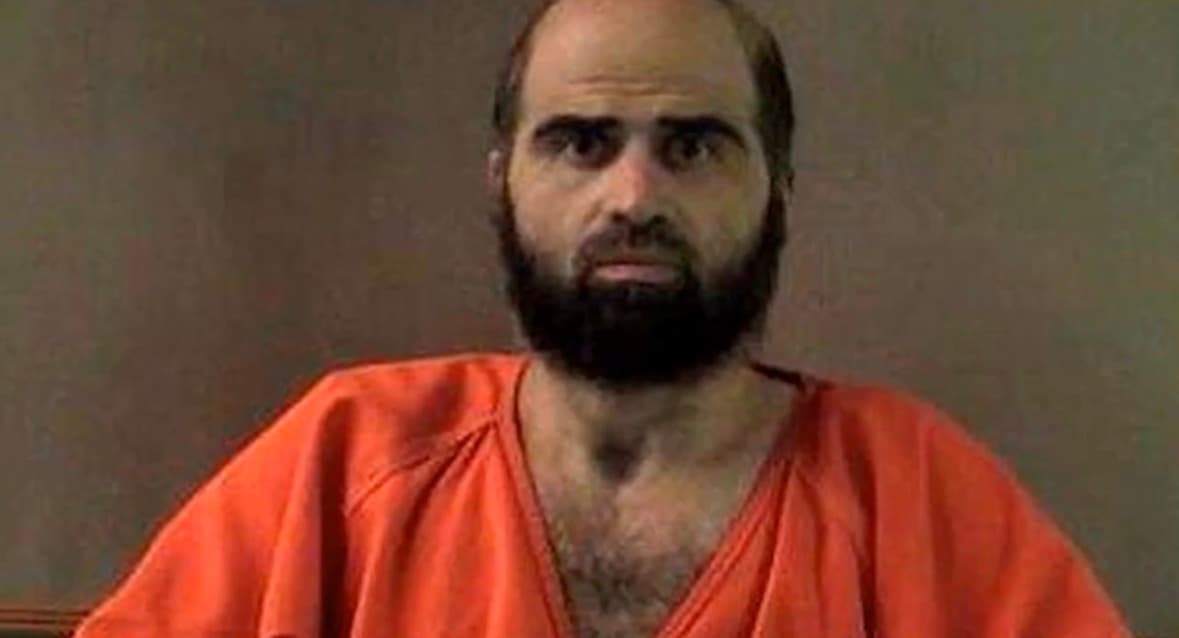
Why is Nidal Hasan facing execution?
Nidal Malik Hasan was an Army psychiatrist and major who opened fire inside a medical facility at Fort Hood, Texas, on November 5, 2009.
Thirteen people were killed and 32 others were wounded.
A military jury convicted Hasan of the attack and sentenced him to death in 2013.
The shooting devastated military families and became one of the most consequential acts of violence on a US military installation.
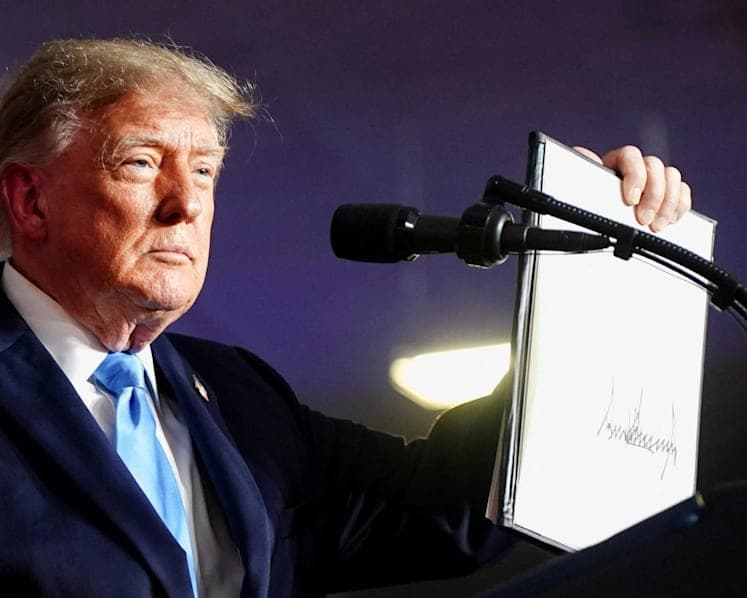
President Donald Trump has approved Hasan's execution by firing squad. Acting US Army Secretary Adam Telle announced that the execution was scheduled for December 3, 2026, at Fort Hood.
However, legal proceedings could still affect whether the execution happens on that date.
Why is the livestream controversial?
The Pentagon's proposal has drawn criticism from people who believe broadcasting an execution would turn a serious act of punishment into a public spectacle.
Republican Senator Thom Tillis has condemned the idea, arguing that public executions are associated with oppressive governments and should not happen in America.
Archbishop Paul Coakley, president of the US Conference of Catholic Bishops, also criticised the plan. He described the proposed livestream as a promotion of a culture of death and called for the decision to be reconsidered.
The debate is not simply about whether Hasan should face the punishment imposed by the military court. It is also about whether the government should allow the public to watch that punishment happen in real time.
Supporters of transparency may argue that the public should be able to see what the government does in its name. Critics question whether livestreaming an execution serves any legitimate purpose.
What about Donald Trump?
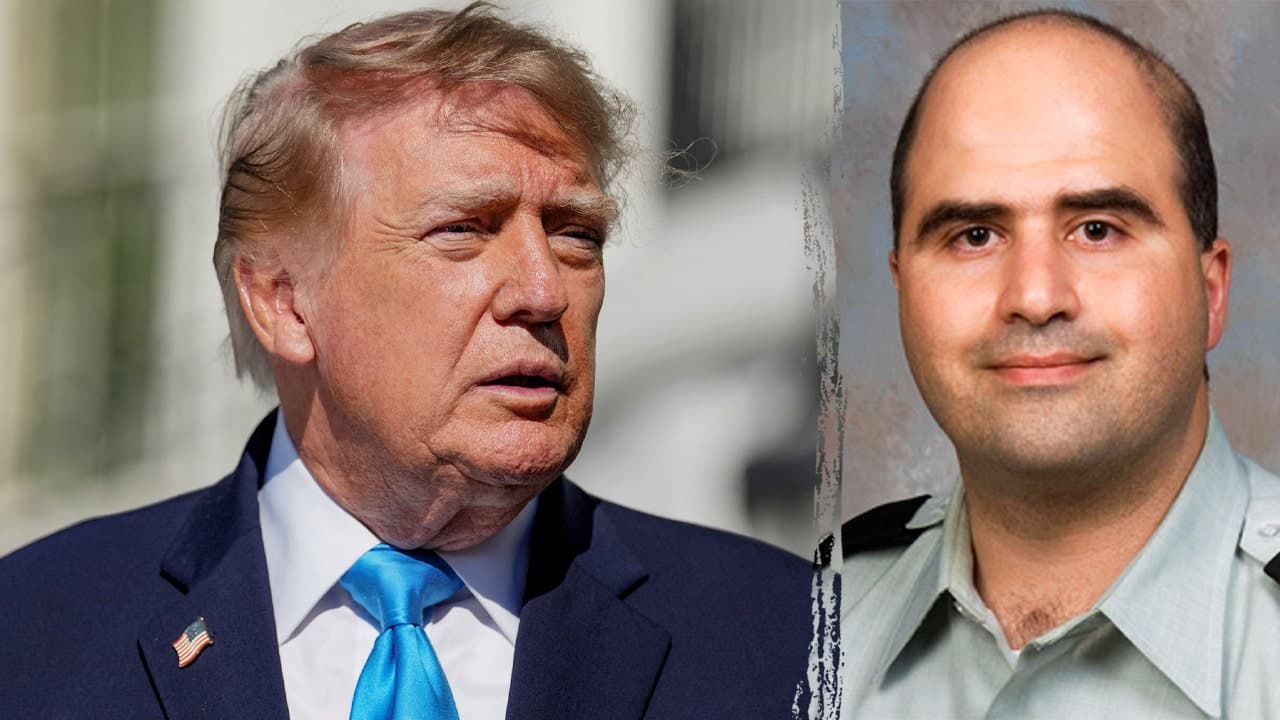
Trump approved Hasan's execution by firing squad and publicly said Hasan deserved the death penalty.
However, Reuters reported on Friday that Trump had not publicly addressed the Pentagon's separate livestream proposal.
That leaves an important distinction between the president's approval of the execution method and the question of whether the execution should be broadcast.
The Pentagon announced the livestream plan under Defense Secretary Pete Hegseth, but Vance's comments show that the proposal has prompted questions even within the wider political debate.
Will the livestream happen?
That remains uncertain.
Vance has expressed doubt that it will happen, while the Pentagon's announcement has generated criticism and questions about how such a broadcast would be carried out.
The scheduled execution date is December 3, but legal challenges could also affect the timetable.
For now, the public knows that the government has announced plans for a livestream and that the proposal has attracted significant opposition. Whether the broadcast ultimately takes place is another matter.
The controversy raises a difficult question: even when a court has imposed the death penalty, should the public be invited to watch the execution live?
What do you think? Should an execution be livestreamed in the name of transparency, or should it remain a private government proceeding?
Sources: Reuters and Associated Press.
Reporting and verification: Reuters and Associated Press. Original video: source provided by the publisher.