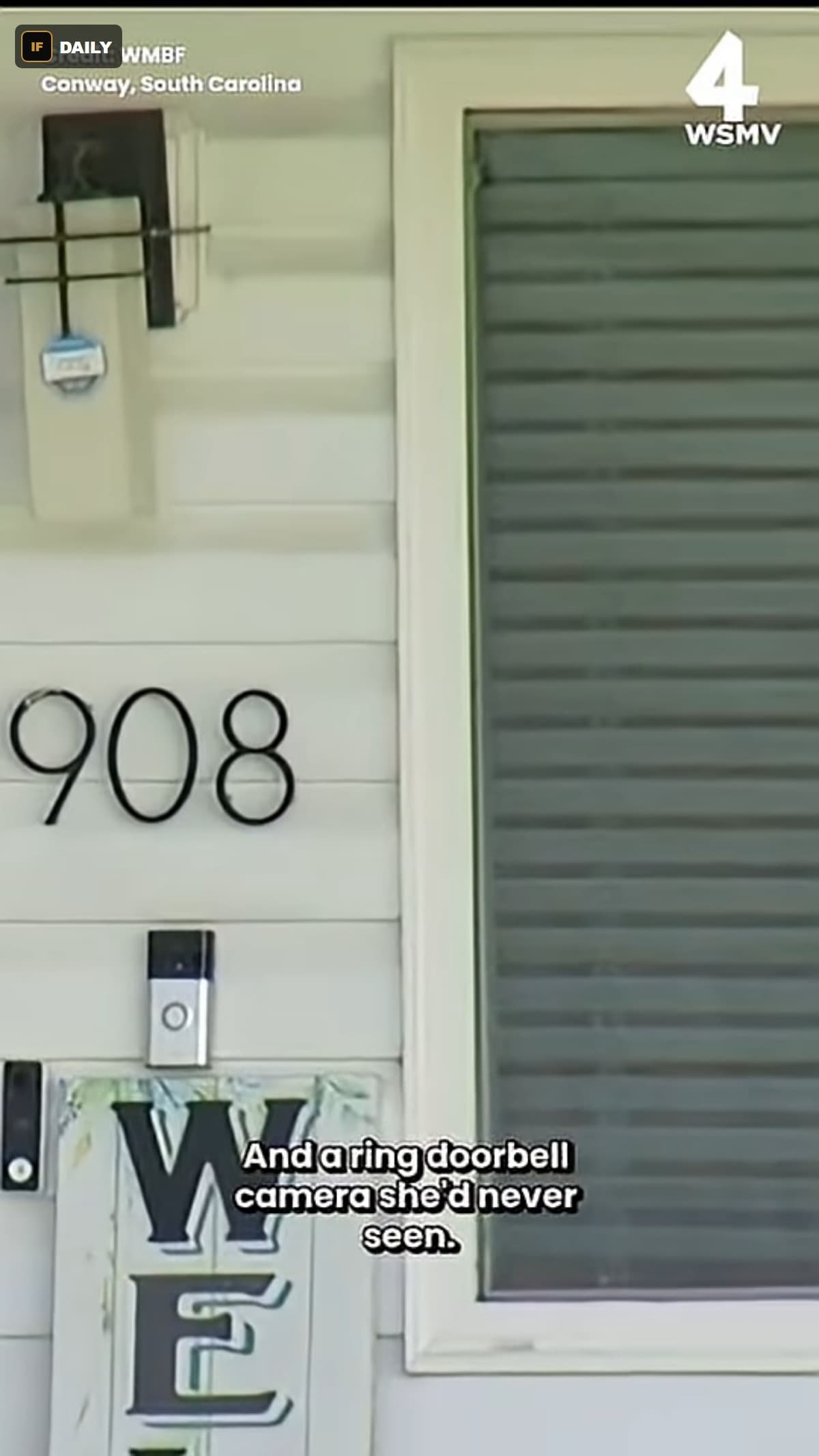
Nora Rowland rang her father's doorbell and didn't recognize it. Somebody had installed a Ring camera on the front of the house she grew up visiting, the kind of thing her 75-year-old father would never have thought to buy for himself. She pressed it anyway.
A woman's voice answered through the speaker. Not her father's. A stranger's.
This isn't the way that I wanted to tell you, but your dad died, and there's a bunch of other stuff I have to tell you too. Just wait there.
Sarah Smalls, Robert Rowland's caregiver, speaking through the Ring doorbell, as recounted by Nora Rowland
Robert Rowland had been dead for three days.
"It Was Always Me and Him"
Nora and her father had been close in the specific, uncomplicated way she describes as "a daddy's girl type thing." They talked constantly. So when the calls and messages slowed to almost nothing, it didn't feel like her father getting quieter with age. It felt wrong. She drove from Maryland to Conway, South Carolina, to check on him herself.
What she found before she even reached the door: a house that looked like someone else's now. New furniture. Family photos on the wall that weren't her family. Walls that had been repainted since the last time she'd visited. And the Ring doorbell camera she'd never seen, with a stranger's voice behind it.
Through the Window
With nowhere else to go and her father's caregiver telling her to "just wait there," Nora let herself in through a window the family had always kept unlocked for emergencies. Inside, the house confirmed what the doorbell voice had already told her. Robert was gone. Someone else had, in Nora's words, moved a whole new family inside.
"Where's all of my father's things?" she asked, walking through rooms she no longer recognized.
The Paper Trail
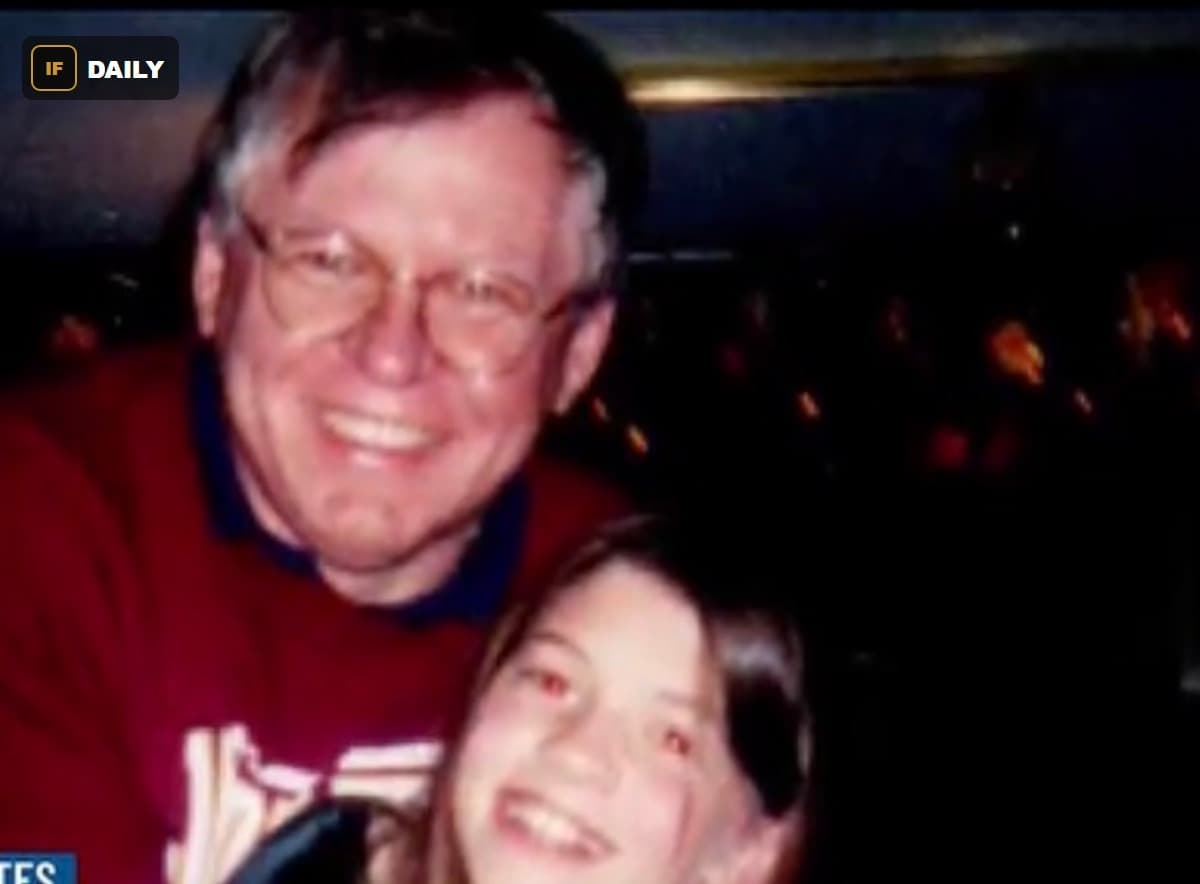
Public records tell a version of this story that doesn't depend on anyone's memory. Sarah Smalls began caring for Robert Rowland through Griswold Home Care in March 2024. The following month, documents named her as his power of attorney. On April 17, 2024, a quitclaim deed transferred Robert's Conway home to Smalls for five dollars. Bank records reviewed by reporters show money continuing to move from Robert's account to Smalls, including after his death.
Robert had Parkinson's disease and a brain injury and was classified as a vulnerable adult. Nora says she doesn't believe he understood what he was signing, if he was the one who signed it at all.
The Officers Believed the Deed
When Smalls returned to the house and found Nora inside, she called the police and told them Nora had broken in. Responding officers were shown the recorded deed with Smalls' name on it. They handcuffed Nora and her partner for trespassing, not the grieving daughter of the man who'd owned the house days earlier, but a woman a piece of paper said didn't belong there.
A neighbor later told officers he'd noticed something off about Robert for weeks before his death, saying the older man "was not within his wits at all." Nobody had acted on it.
Where It Stands Now
The trespassing charges against Nora were eventually dismissed. She is still fighting, through the courts, to challenge the deed that moved her father's house into Sarah Smalls' name for the price of a fast-food meal. Conway police say the case remains under investigation. No one has been arrested.
Griswold Home Care initially told reporters it had no knowledge of the situation involving its former employee; Nora says subpoenaed records she obtained contradict that. Smalls has declined to speak with journalists, directing questions to an attorney, and at one point called police on a news crew that came to ask about the deed. The Horry County official who recorded the transfer, Register of Deeds Marion Foxworth III, said his office's job stops at the paperwork itself: "We don't check whether what's in that deed is fair or right."
That's the gap this story sits inside. A deed can be perfectly legal to record and still raise every question in the world about how it came to exist. Robert Rowland is no longer here to answer any of them. His daughter is still trying to.
IF DAILY — Real Stories • Real Talk • Real Impact. Follow @officialidaresitfrank for more.