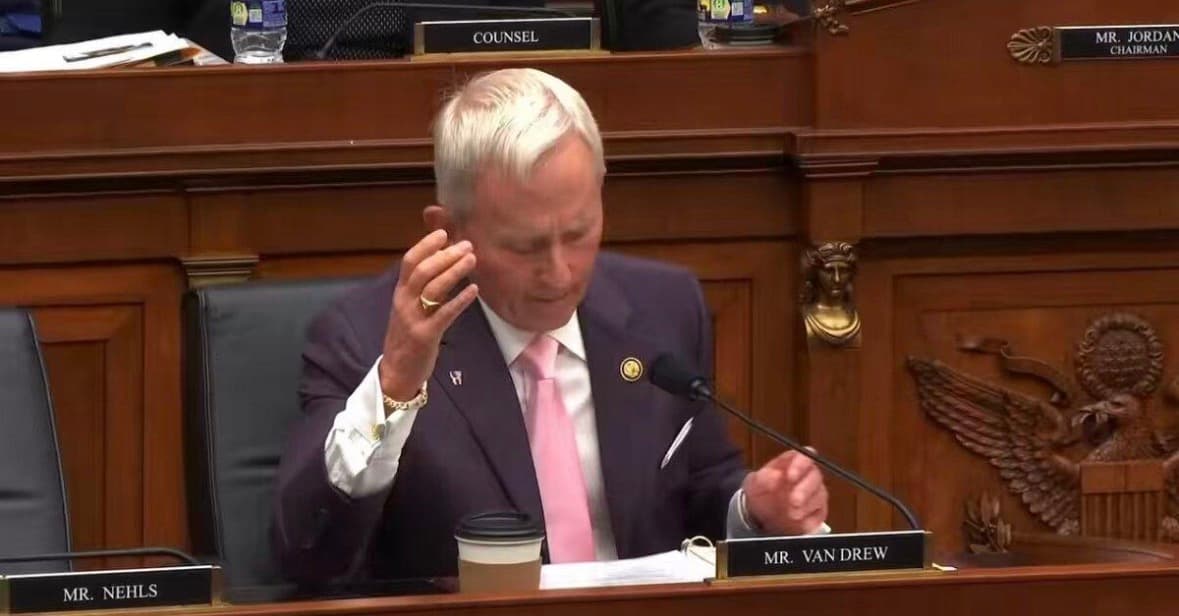
Leon Black was supposed to sit for a sworn deposition before the House Oversight Committee. Instead of showing up, the Apollo Global Management co-founder filed a federal lawsuit against the committee itself and stayed away entirely.
How This Started
Black had already appeared once before the committee, in June, for a voluntary transcribed interview about his business relationship with Jeffrey Epstein. That session ended abruptly after Black refused to answer questions about nondisclosure agreements he may have signed. In response, committee chair James Comer issued a pair of subpoenas compelling him to return and produce those NDAs.
What Black Did Instead
Rather than comply, Black sued the House Oversight Committee in federal court, asking a judge to block the subpoenas entirely. His lawsuit argues the committee lacks legal authority to enforce them and that the requests improperly reach into private information beyond the committee's legitimate purpose.
How Congress Is Responding
Rep. Robert Garcia, the committee's ranking Democrat, called for Black to be held in contempt for defying the subpoenas outright. Chairman Comer, a Republican, backed that position too — a rare moment of the committee's two parties agreeing on anything in this investigation, both saying the underlying NDAs need to be produced.
Why Black's Case Matters Beyond Him
Black is one of several high-profile figures the committee has tried to compel testimony from as it investigates the broader scope of Epstein's financial and social network. His decision to fight the subpoena in court, rather than simply refuse to answer specific questions as he did in June, sets up a legal test of how much power a congressional committee actually has to force a private citizen — even a well-connected billionaire — to hand over private contracts.