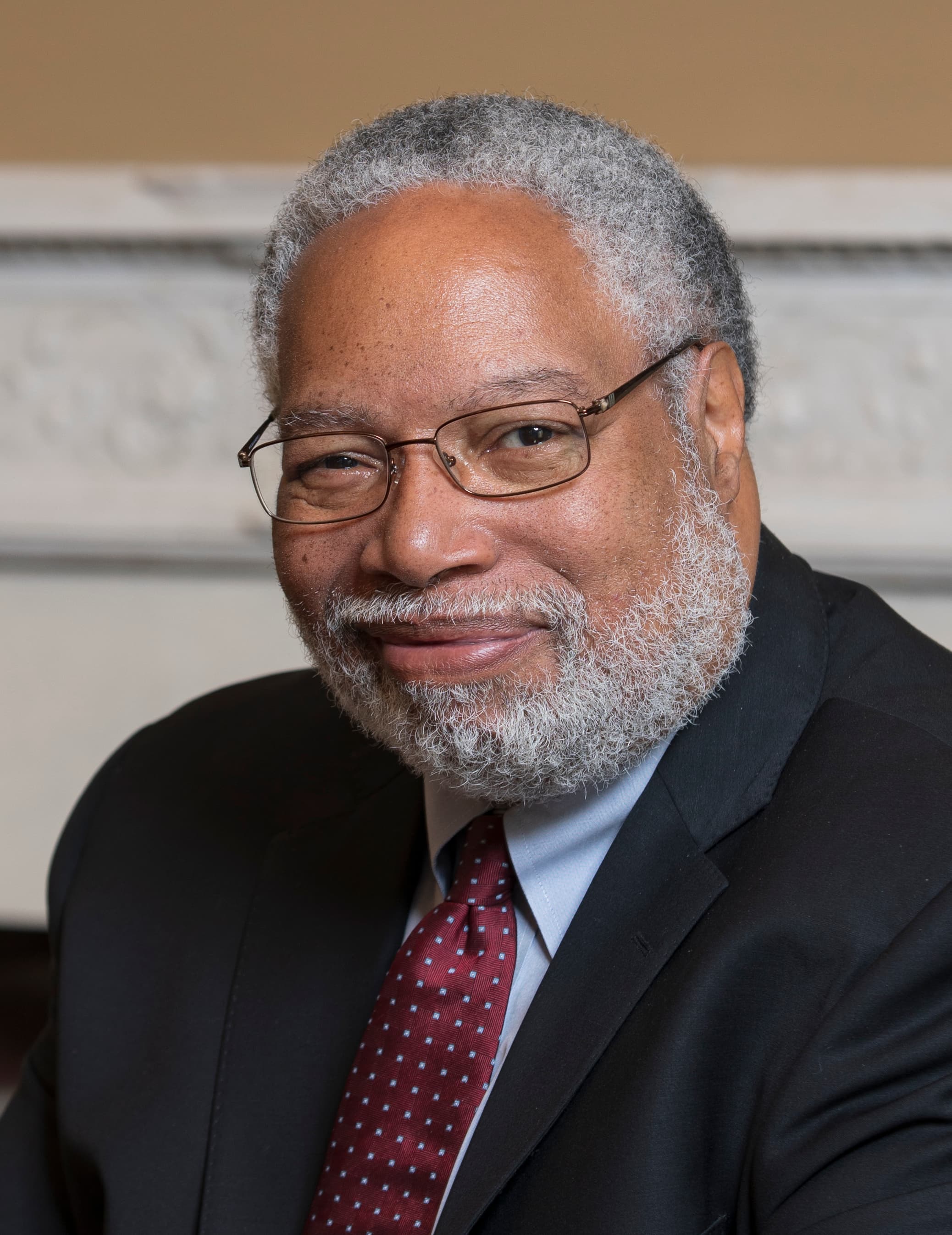
Lonnie Bunch has spent 38 years at the Smithsonian Institution, more than half of them building a museum from nothing and the rest running the whole sprawling operation. On Tuesday, he announced he's leaving — at the end of a year in which the White House spent months publicly questioning whether the institution he leads could be trusted at all.
What the White House Wanted Changed
The pressure campaign was explicit. The Trump administration ordered a sweeping review of Smithsonian museums and exhibitions ahead of the country's 250th anniversary, examining everything from exhibition text to social media posts to "assess tone, historical framing, and alignment with American ideals." A White House report two months ago went further, branding Smithsonian leadership — particularly at the National Museum of American History — as radical activists who couldn't be trusted with the institution's direction. The Interior Department threatened to cut support entirely, alleging the Smithsonian's museums promote a "radical ideology" that weakens "shared American identity."
Now's the time.
Lonnie Bunch, on the timing of his retirement
Bunch Says the Fight Isn't Why He's Leaving
Bunch has pushed back on the idea that the administration's pressure campaign forced his hand, telling The New York Times his departure isn't about the fights themselves. But he didn't pretend the year had been easy, either: "I have to be honest, it has been stressful," he said, adding that he'd "like to wake up in the morning and not look at my cellphone." He has said he would have retired a year earlier if he hadn't felt obligated to stay and defend the institution while it was under direct political attack.
A Legacy Built Around One Museum
Bunch is the first Black person and first historian to lead the Smithsonian, taking over as its 14th secretary in 2019. Before that, he spent years as founding director of the National Museum of African American History and Culture, which opened on the National Mall in 2016 after a fundraising and construction effort he oversaw from the ground up. His departure is effective at the end of the year, leaving the Smithsonian's board to select a successor at a moment when the institution's independence from political pressure is, by his own account, an open question.