A federal judge already blocked it once, calling it "likely unlawful and unconstitutional." That didn't stop the Trump administration from going back to the Supreme Court and asking again. This is the third time.
On September 7, 2026, the Trump administration filed an emergency appeal asking the Supreme Court to let a new U.S. Postal Service rule on mail-in ballots take effect immediately — just two days after U.S. District Judge Indira Talwani blocked it, and with ballots already going out in some states.
What the Rule Actually Does
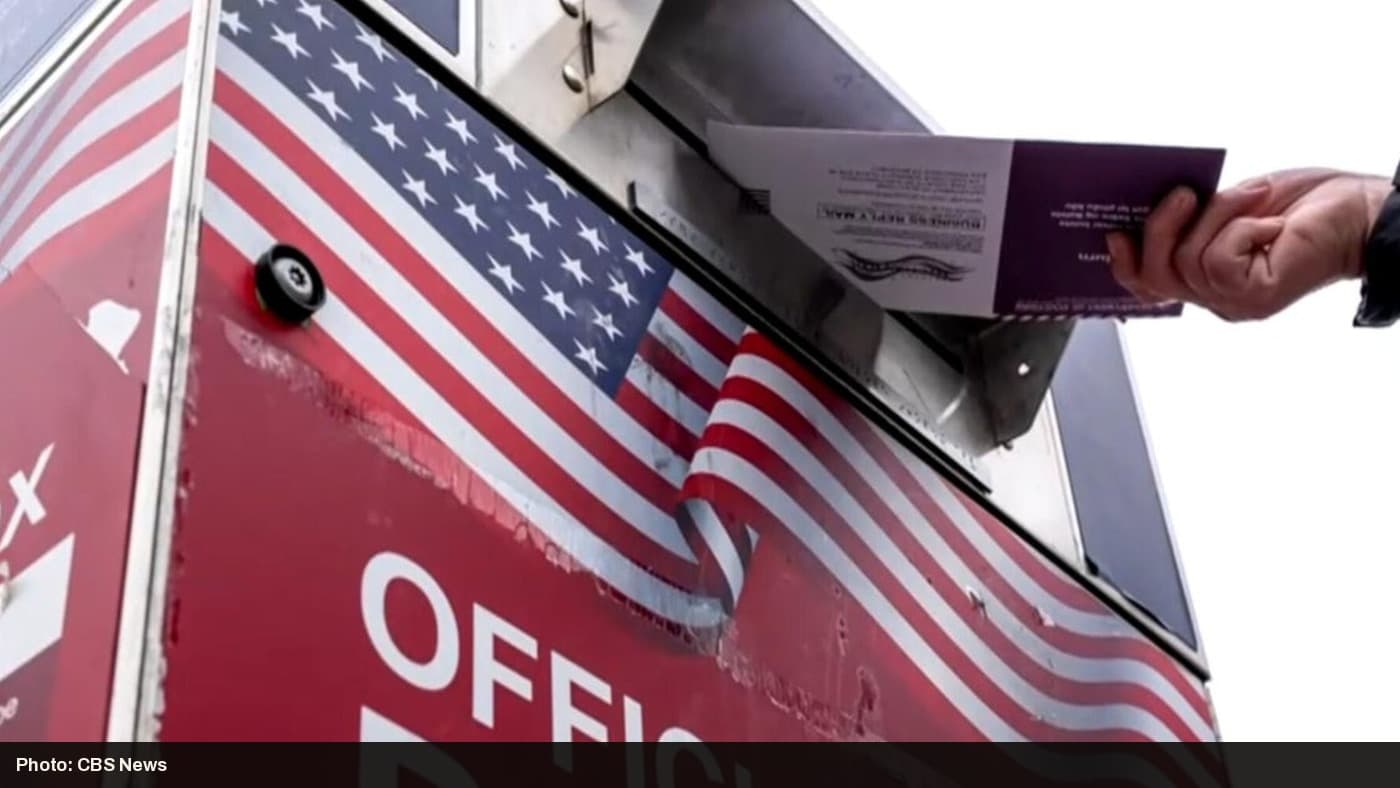
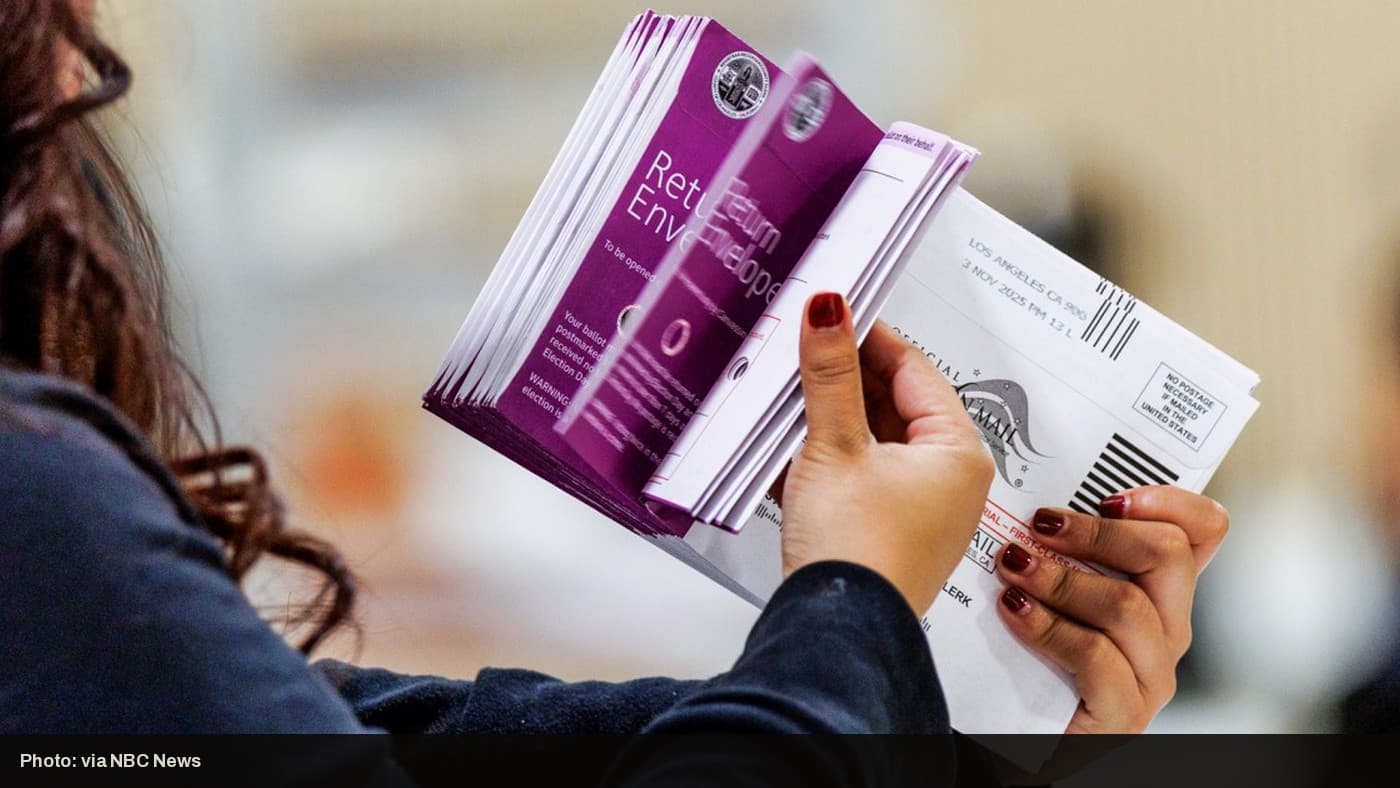
The USPS rule requires states to upload voter names, addresses, and a unique barcode for every mail-in ballot to an online federal portal. Postal workers would then only deliver ballots addressed to voters who appear on that state-provided list — meaning a ballot mailed to someone missing from the database could simply not be delivered.
Why a Judge Already Said No
Judge Talwani's order came after a coalition of 23 states, led by California, and the District of Columbia sued in federal court in Massachusetts. Her reasoning was blunt: implementing the rule less than 70 days before the November election "threatens disenfranchisement of millions of United States citizens who seek to vote by mail."
The Pattern So Far
This is the administration's third emergency escalation to the Supreme Court on this exact rule. The first two rounds didn't produce the outcome the administration wanted outright — one earlier order from the Court simply found the states had sued before the USPS finalized its rule, without ruling on the merits. Each time a lower court has blocked the policy, the administration has gone straight back up, rather than waiting for the normal appeals process to play out.
Why the Timing Matters
North Carolina became the first state to start mailing out ballots less than 60 days before the midterms — meaning this fight isn't theoretical or abstract. Roughly a third of American voters cast their ballots by mail. Whatever the Supreme Court decides, and whenever it decides it, states are already in the middle of actually sending ballots while the rule's legality remains unresolved.
What Happens Next
The Supreme Court hasn't issued a final ruling on the merits of the USPS rule. States and voting rights groups are urging the justices to leave Judge Talwani's block in place while the case proceeds. With the midterms less than two months away and ballots already in the mail in some states, however the Court rules, it will be doing so against a clock that's already running.