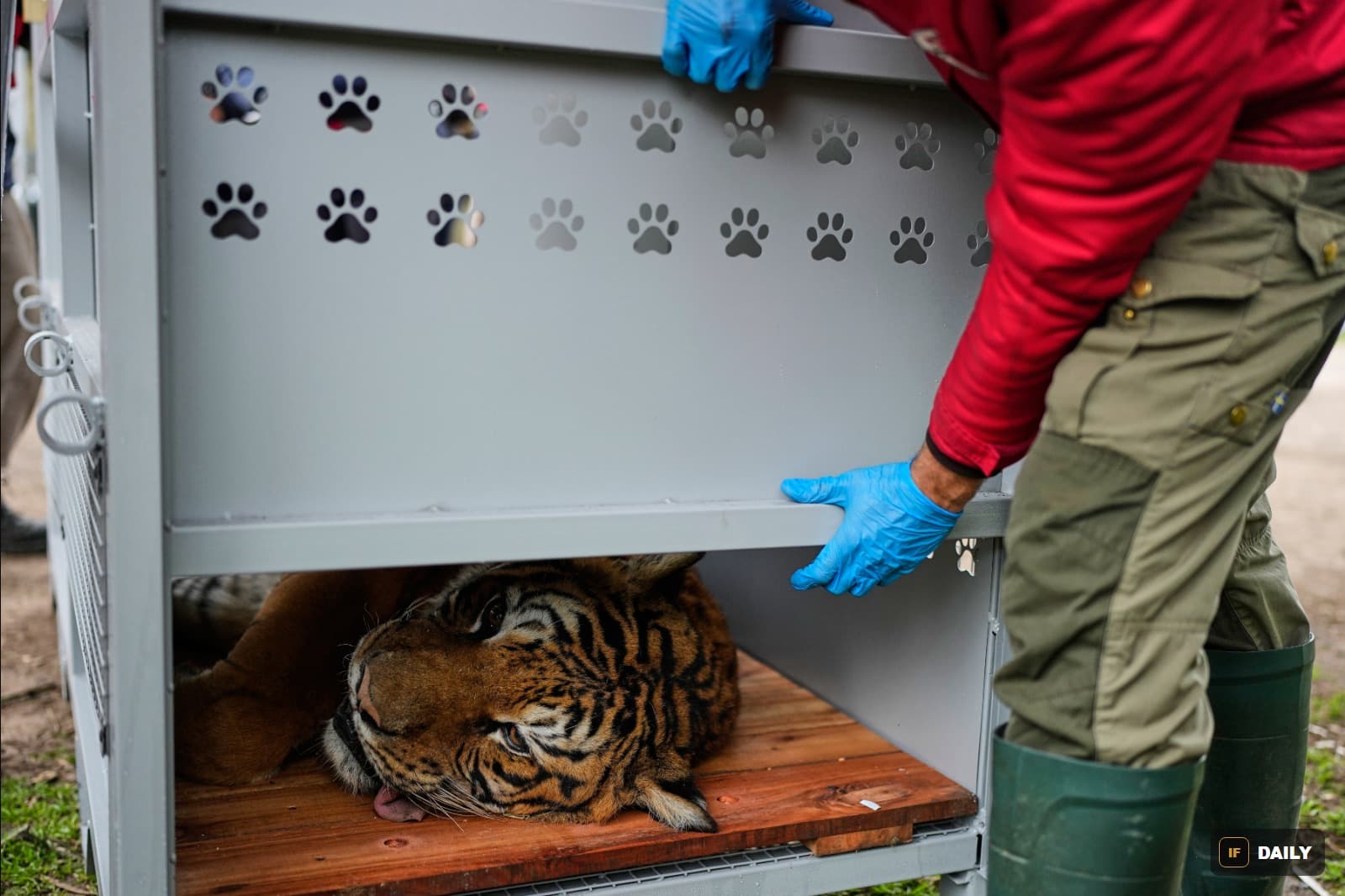
Thirty lions and tigers that spent years in cramped concrete cages at a shuttered Argentine zoo have begun a journey to new homes in South Africa and the United States, in what the animal-welfare group overseeing the move calls one of the largest relocations of captive big cats in the world.
A zoo shut down, but animals left behind
Argentine authorities closed the Luján Zoo, about 43 miles northwest of Buenos Aires, in 2020 over safety and animal welfare concerns; the facility had been known for letting visitors handle and pose for photos with tigers and lions. Around 200 big cats lived there when it closed. Four Paws, the international animal-welfare organization, arrived in 2023 to find 112 cats remaining and took over full care of the site in 2025, by which point the population had fallen to 62 amid ongoing health and welfare problems, including obesity, malnutrition, dental and kidney disease, and untreated injuries.
That alone shows the level of overcrowding and the conditions in which these animals have endured.
Luciana D''Abramo, Four Paws program director
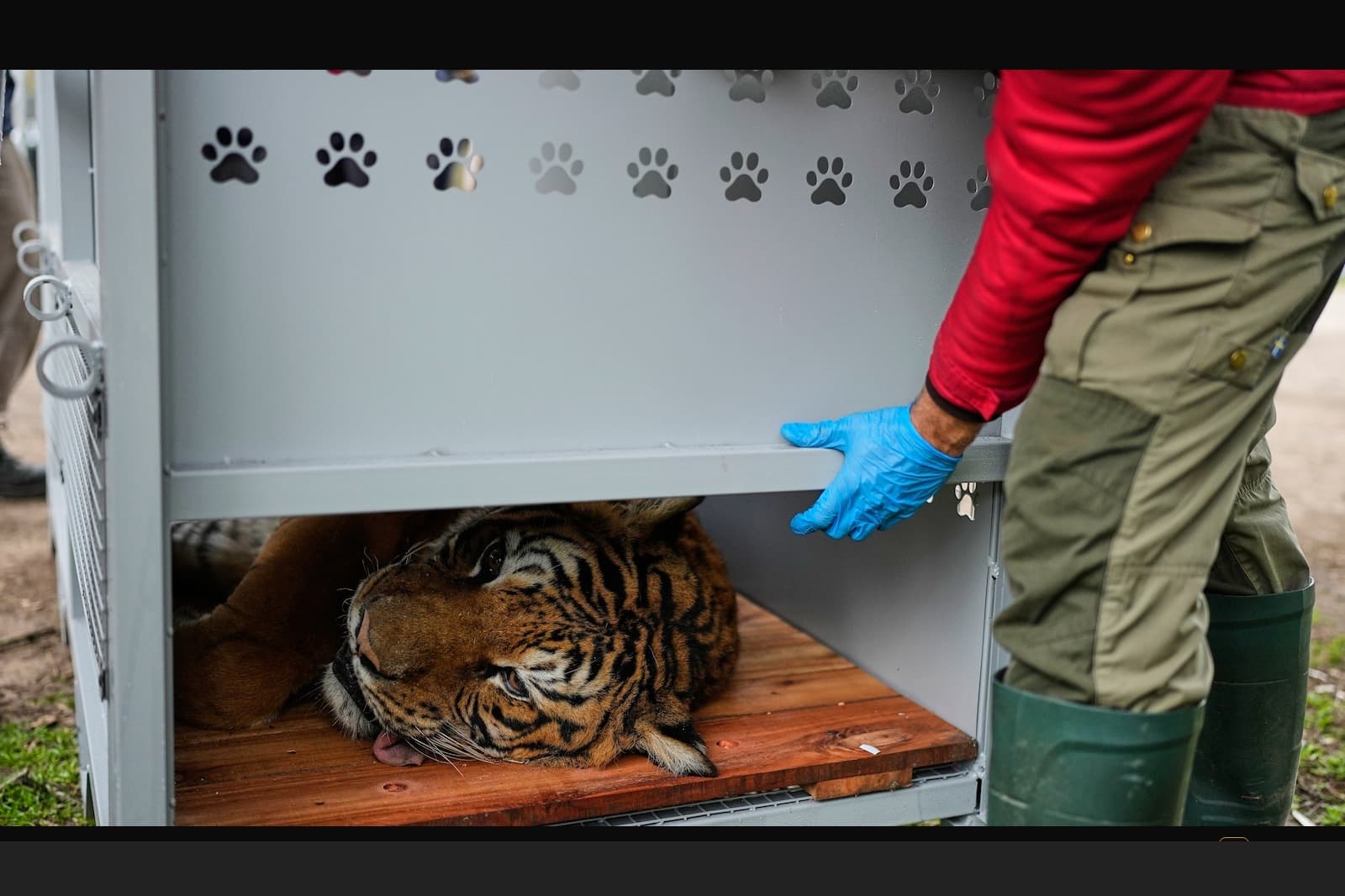
Where they're going
Nine tigers and six lions are being flown to Lionsrock, a Four Paws sanctuary in South Africa spanning 148 acres and home to more than 80 big cats. The remaining eight tigers and seven lions are headed to The Wild Animal Sanctuary in Colorado, on grasslands northeast of Denver. More than 20 lions and tigers still remain at the former zoo site, with further transfers expected to follow.