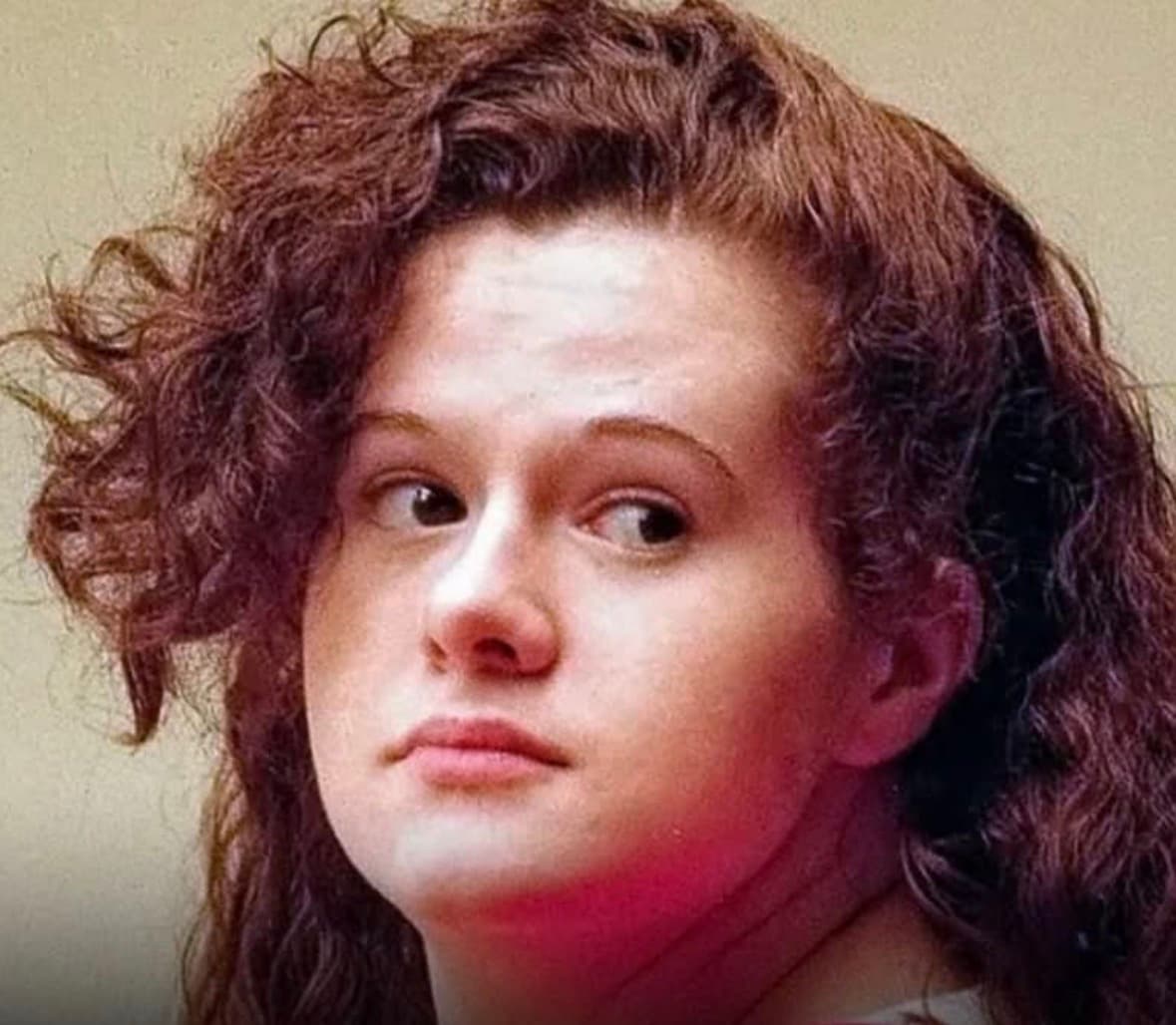
The house on Chicago's West Side has eight bedrooms filled, room for up to fifteen, and a founder who spent nearly three decades locked up for something she has always said she didn't do. This month, Marilyn Mulero opened its doors.
She calls it the Wrongful Conviction Trauma Center. It sits in the Austin neighborhood, and it exists for a specific kind of person: a woman who walks out of an Illinois prison after years or decades inside — often with a bus ticket and little else — and no real idea how to start again. Mulero knows the feeling. After her own release in 2020, she was homeless twice.
We can help them get the counseling, the treatment, that they need, help them get integrated back into society.
Marilyn Mulero, speaking to ABC7 Chicago
How a 21-year-old ended up on death row
On May 12, 1992, two men — Jimmy Cruz, 22, and Hector Reyes, 21 — were shot in the head in Humboldt Park. Both were members of the Latin Kings. Police alleged the killings were retaliation for an earlier gang shooting, and that three young women had lured the men to the park: Mulero, who was 21, and two teenagers, Jacqueline Montanez, then 15, and Madeline Mendoza, then 16.
The case against Mulero was built almost entirely on a confession. According to court records and the National Registry of Exonerations, detectives Reynaldo Guevara and Ernest Halvorsen drove Mulero and Montanez to Humboldt Park and showed them to Latin Kings members, then questioned them for more than nine hours without a lawyer. Mulero said she was threatened with the death penalty and with losing her children. She signed a statement, written by the detectives, saying she had shot Cruz.
Montanez signed her own confession — that she shot Reyes and that Mulero shot Cruz. She has since recanted many times, and for years has said she acted alone in both killings, without Mulero's knowledge.
The plea that became a death sentence
After a judge refused to throw out her confession, Mulero's court-appointed lawyer advised her to plead guilty and hope for mercy at sentencing. It was a catastrophic bet. In 1993, a jury sentenced her to death. She was one of the very few women ever sent to Illinois' death row.
In 1997, the Illinois Supreme Court vacated that death sentence, finding that prosecutors had crossed a line during the sentencing hearing. Mulero was resentenced to life without the possibility of parole. She stayed in prison.
The detective at the center of it
By then, Reynaldo Guevara's name was attached to a growing list of overturned cases. Since 2016, more than 30 convictions tied to Guevara have been thrown out; he has been accused of framing defendants in more than 50 cases through beatings, threats and coerced statements. In civil depositions, he has repeatedly invoked his Fifth Amendment right against self-incrimination rather than answer questions about his work.
Freed, then cleared
In April 2020, Governor J.B. Pritzker commuted Mulero's sentence, and she walked out after roughly 28 years — about five of them on death row. Two years later, on August 9, 2022, a Cook County judge dismissed all charges against her at the request of State's Attorney Kim Foxx, whose office said it no longer believed in “the validity of these convictions or the credibility of the evidence.”
The National Registry of Exonerations lists Mulero as the 190th person exonerated after being sentenced to death in the United States since 1973 — and only the third woman.
What comes next
Mulero has a civil lawsuit pending against the City of Chicago; it has not been resolved. The city has already spent tens of millions of dollars settling and defending claims connected to Guevara.
The house in Austin is the part she controls. Eight women are living there now. The idea, as she has described it, is to reach people in the weeks right after release — before the gap between walking free and building a stable life swallows them, the way it nearly swallowed her.
A wrongful conviction takes years that no settlement gives back. What Mulero is building is smaller and more immediate than justice: a bed, a phone number, someone who has stood where you're standing. For eight women this month, that is where it starts.