Brooks was supposed to become a guide dog for the blind. He didn't make the cut. Twelve years later, he's arguably done more for baseball attendance than most bullpens, and franchises across the league have taken notice.
How Brooks Became a Baseball Institution
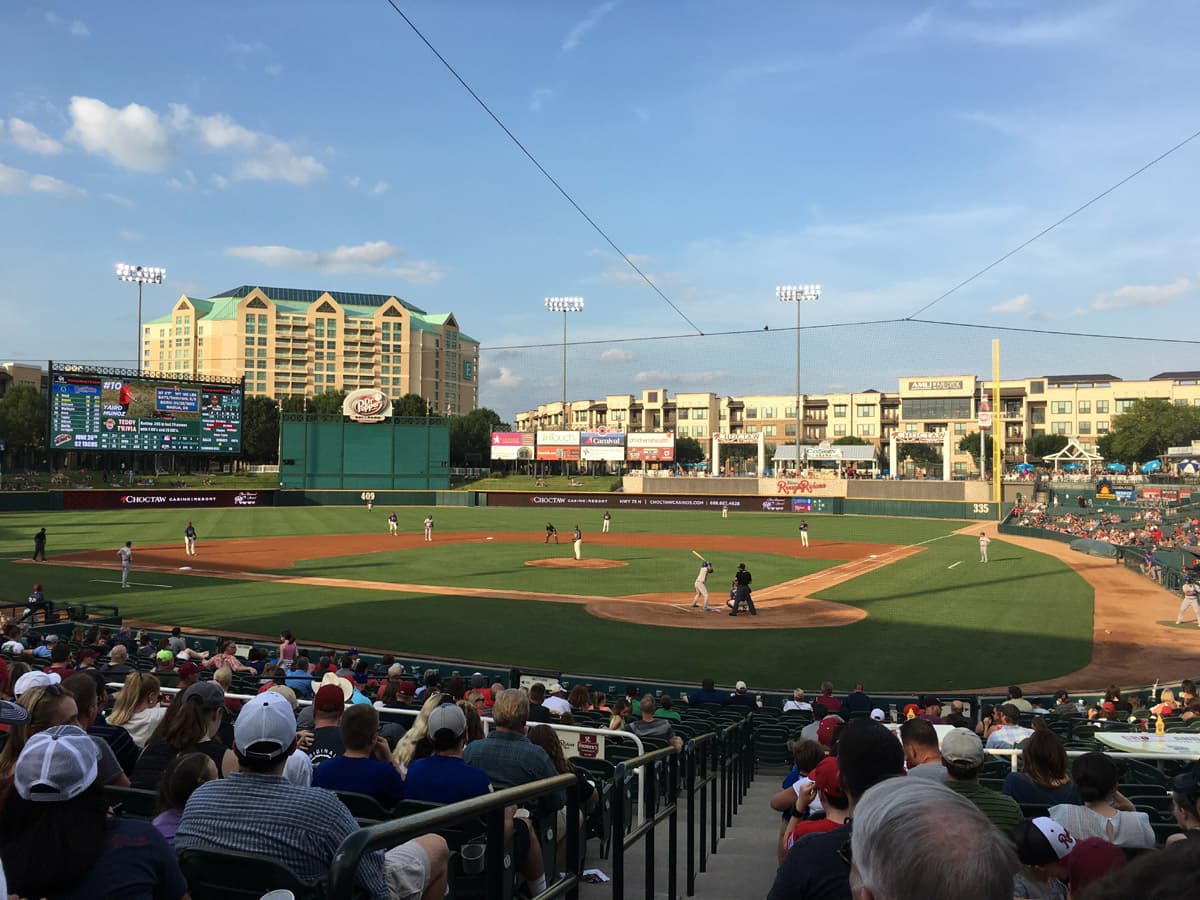
Brooks, a lab/retriever mix, washed out of guide-dog training as a puppy and ended up adopted by the Frisco RoughRiders, a Double-A Texas Rangers affiliate. This is his 12th season running the bases after games, greeting fans, and generally being the most photographed member of the organization. He went properly viral when video caught him accidentally bowling over a young boy mid-sprint around the bases — the kind of clip that outperforms most actual highlights.
The Trend Brooks Started
Teams around the league are now formally hiring "team dogs," some carrying titles like Chief Morale Officer, as both clubhouse presence and social-media marketing assets. The Washington Post recently described the sport as having "literally entered its dog days," documenting the spread of the trend beyond the minor leagues that pioneered it.
It's Bigger Than Mascots Now
This isn't the same as a costumed mascot like the Phillie Phanatic or Mr. Met — these are real dogs, treated as staff, with their own social accounts and, in some cases, their own bobblehead nights. Twenty-three MLB teams are running dedicated "Bark at the Park" dog-friendly game days this season, letting fans buy tickets for their own pets, with the Miami Marlins leading the league at 15 such nights and the Pittsburgh Pirates running 12 "Pups Night" events.
Why Teams Are All-In on This
The math is simple: a dog running the bases generates more organic social engagement than almost anything else a team can put on the field, costs far less than a marketing campaign, and comes with a side benefit teams increasingly talk about openly — clubhouse morale, in a sport where players spend more nights on the road than at home. It's an attention hack that happens to also make the ballpark a nicer place to be.