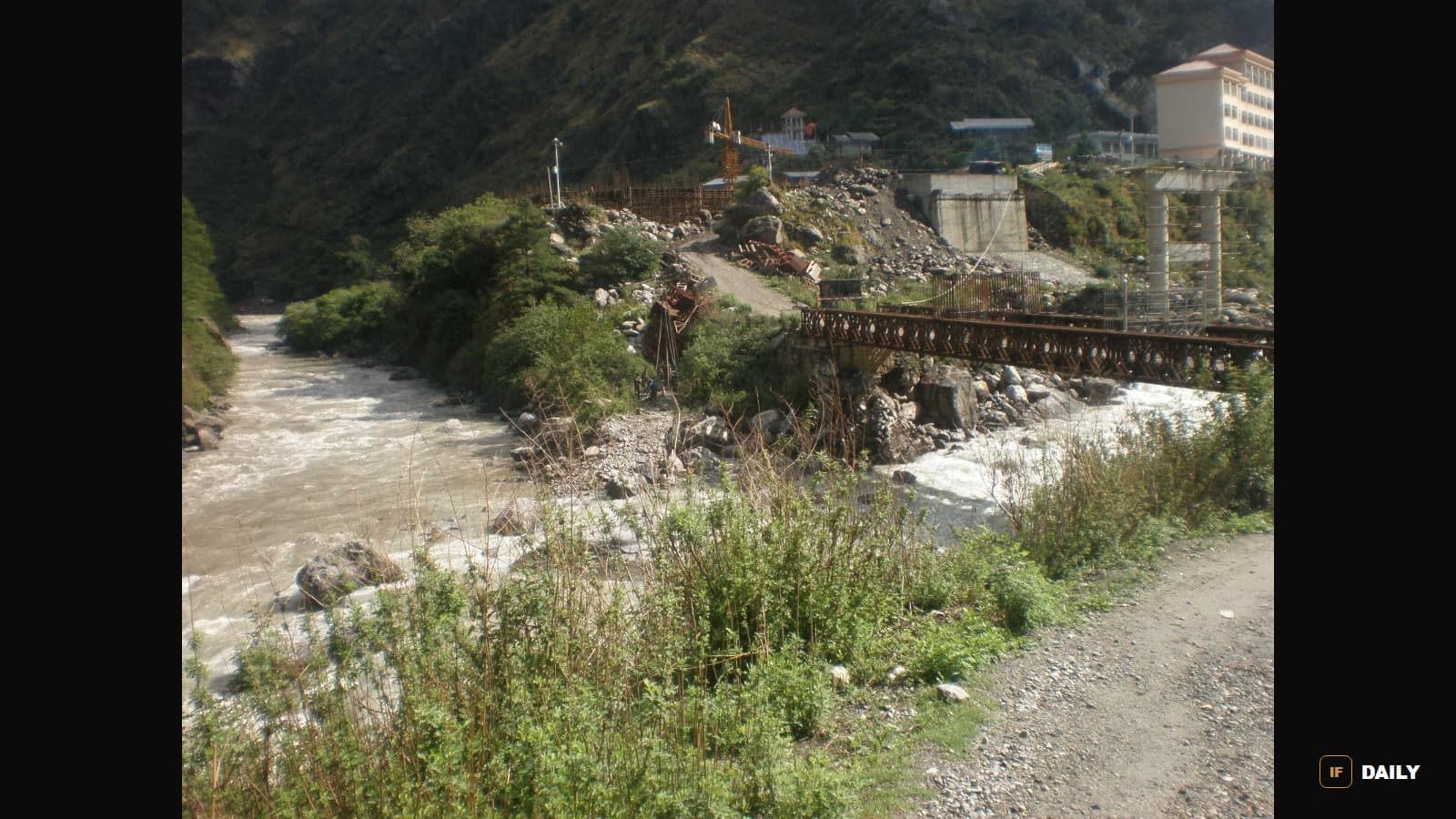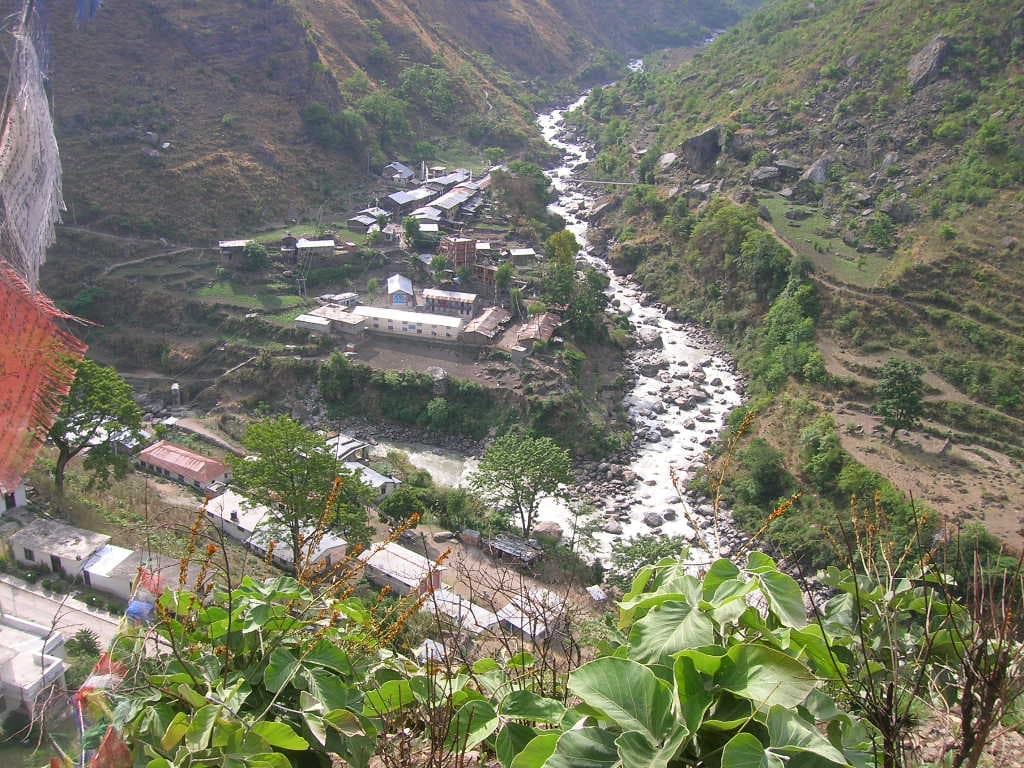
Rajendra Dawadi was inside his classroom at Tribhuvan Trishuli Secondary School when the school's accountant burst in. Floodwaters were racing through the Trishuli Valley, he said, tearing apart homes, bridges, and entire villages upstream. Dawadi didn't wait for more information. He rang the school bell.
What He Did in the Next Few Minutes
Dawadi ordered every student and staff member out of the building and toward higher ground immediately. Then he called the bus drivers still en route, telling them to only stop at safer locations along the way. One bus, already packed with students and approaching the school, was still close enough that Dawadi reached the driver in time — he told him to turn around.
What Was at Stake
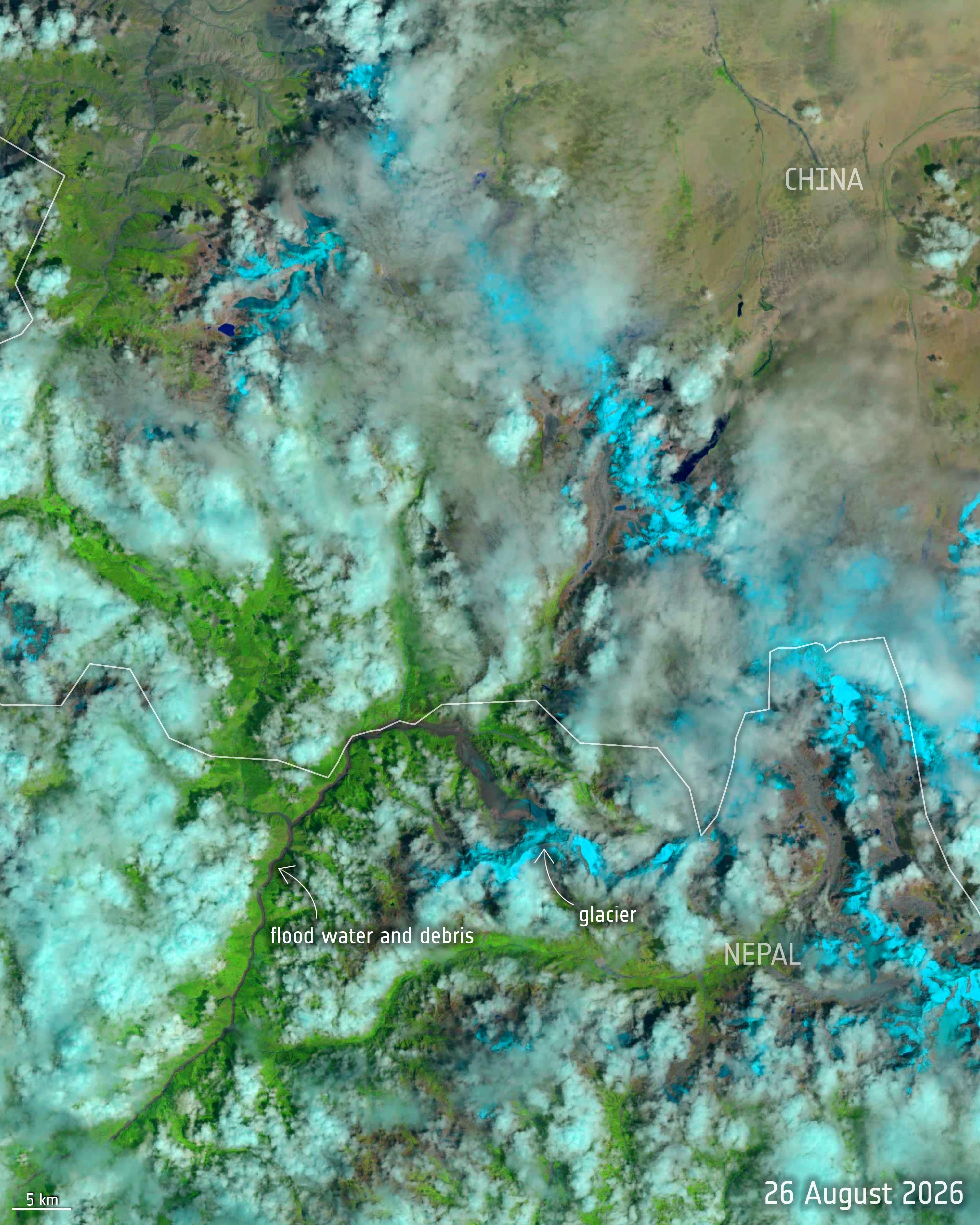
The school had 1,643 students enrolled, and at least 900 were on campus that morning. The flooding was triggered by a glacial collapse high in the Himalayas, which sent a wall of water, mud, and boulders down a 72-kilometer stretch of the Trishuli River, destroying dozens of settlements along the way. From the safety of the hillside, Dawadi watched the school where he'd once been a student himself — and where he'd spent years teaching — disappear beneath the flood.
'I'm Not the Hero'
When Dawadi returned to the site days later, parents embraced him, crying, thanking him for their children's lives. He's been reluctant to accept the framing anyway. Rescuing his students, he's said, was simply his responsibility — not an act of heroism, just the job.
Their parents hugged me, they cried with me.
Rajendra Dawadi, school principal
The flooding across the Nepal-Tibet border region has killed at least 797 people and left more than 3,000 missing as of the most recent count. Whatever Dawadi calls himself, the math on his campus is unambiguous: a bell, a phone call, and a few minutes of decisiveness stand between that toll and hundreds more names.