Outside the Royal Palace in Oslo this week, the flowers kept arriving faster than anyone could count them. Norwegians came by the tens of thousands, laying bouquets and condolence cards along the gates for a king many of them had never known their country without.
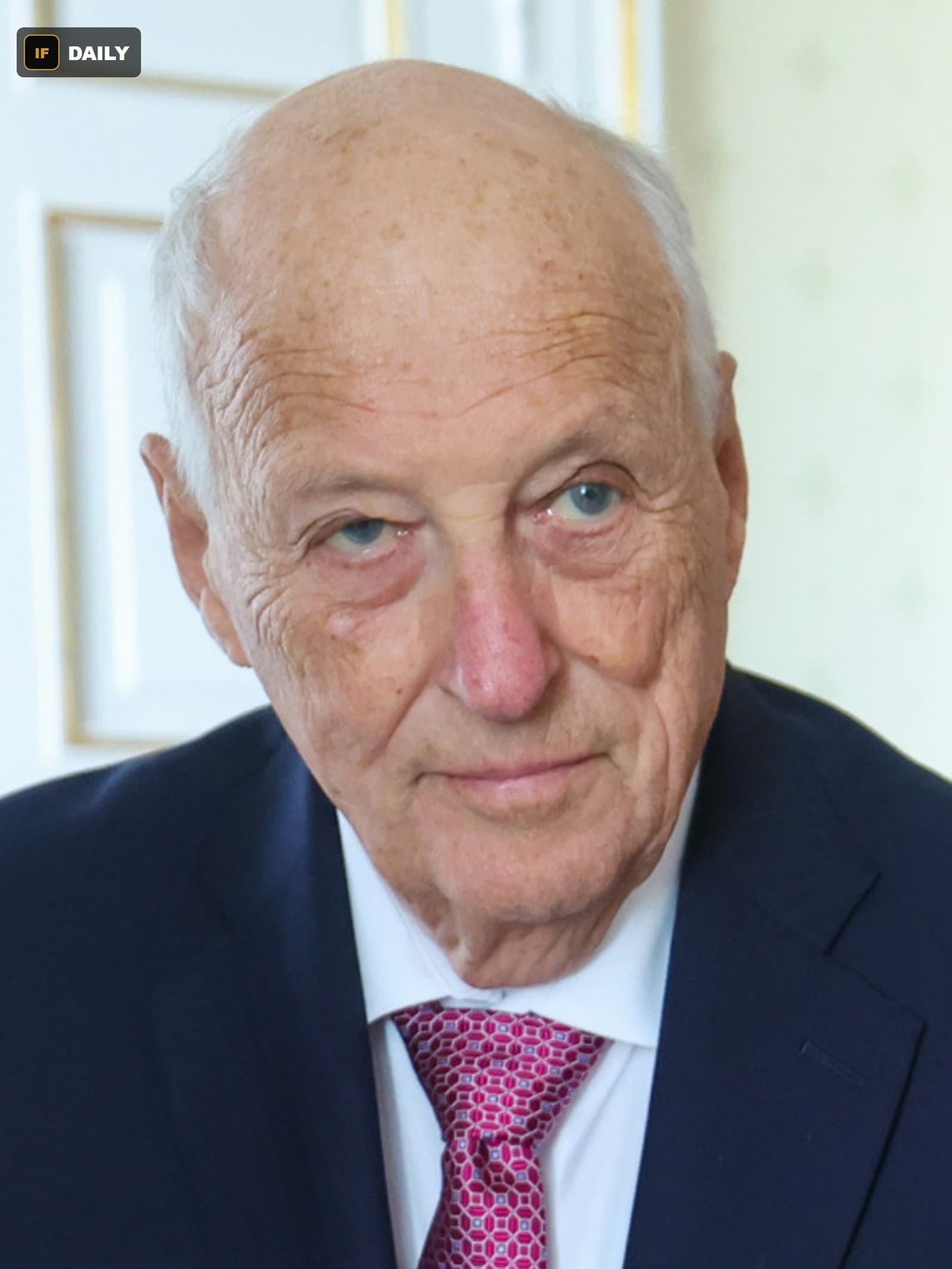
King Harald V died Friday, August 28, at 89, after 35 years on the throne, one of the longest reigns in modern European history. He'd been admitted to Oslo University Hospital just eleven days earlier with haemolytic anaemia, a blood condition that develops into something more dangerous if the body can't keep up. In his case, it turned into a bacterial bloodstream infection he didn't recover from.
The King Who Broke the Rules
Harald wasn't the monarch anyone expected fifty years ago. In 1968, against the weight of royal tradition, he married Sonja Haraldsen, a commoner, and told his own father he'd rather give up the throne than give her up. He got both. In a 2016 speech that Norwegians still quote back to each other, he described the country as one that belonged just as much to immigrants, people of every religion, and LGBTQ+ Norwegians as to anyone else. It wasn't the kind of thing kings usually said out loud.
Then, Almost Overnight, Everything Changed
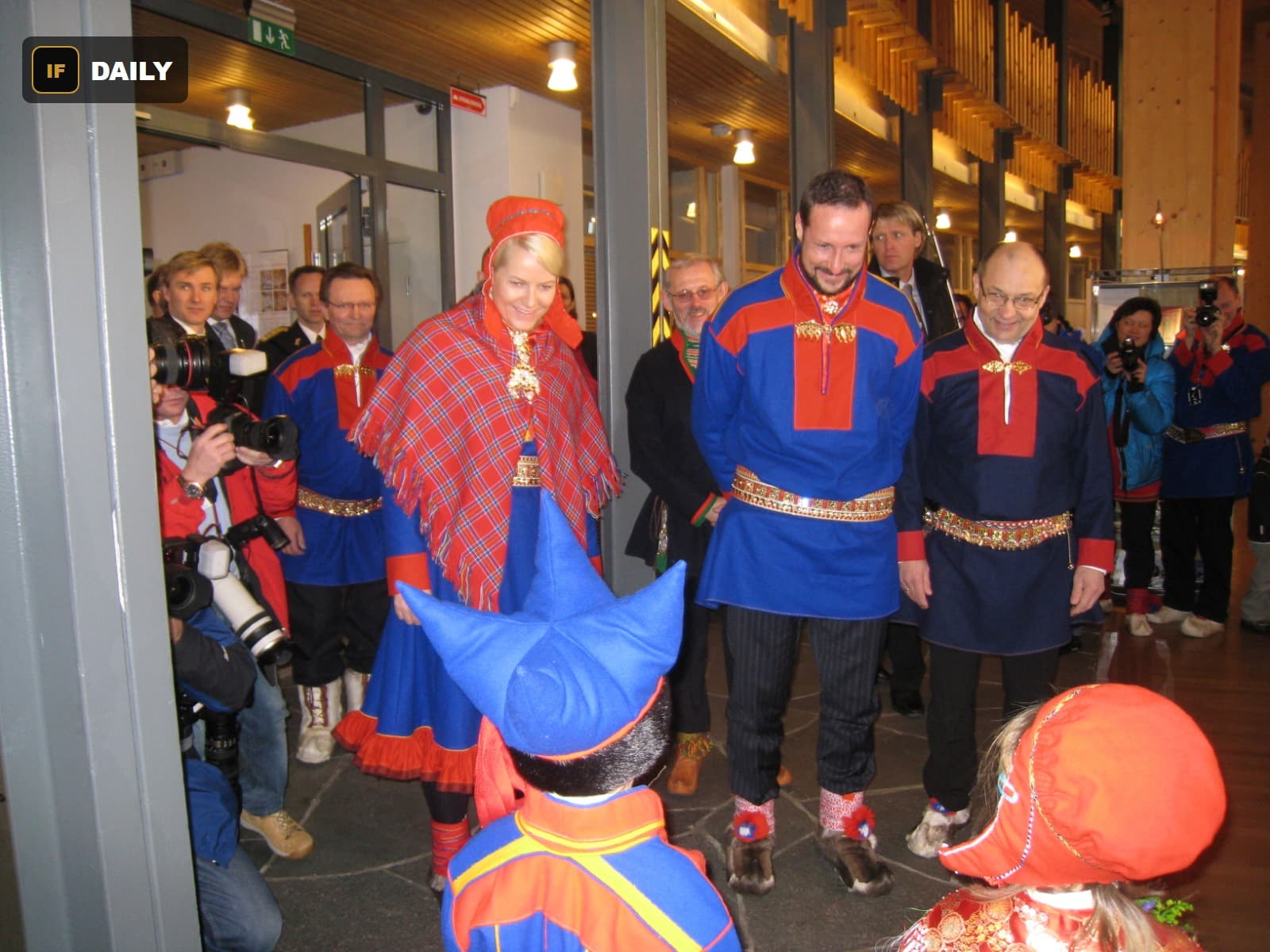
Norway doesn't hold a coronation the way some monarchies do. The moment Harald's heart stopped, his son became king. Just like that, Crown Prince Haakon was King Haakon VIII, carrying the motto "All for Norway" that's been passed down since his great-grandfather's reign. His wife, Mette-Marit, became queen. Their daughter, Ingrid Alexandra, became crown princess and heir to the throne.
For most of the world, that's where the story ended: a long reign closes, a new one begins, the flags go to half-staff. But inside Norway, people know there's more to this particular handover than a name change.
The Queen Carrying Two Scandals Into the Job
Mette-Marit's past has followed her for years, and it followed her straight into the role. She once kept up correspondence with Jeffrey Epstein after his 2008 guilty plea, something she's since addressed head-on: "I showed poor judgment and regret ever having had any contact with Epstein." It's the kind of line that reads differently depending on when you first heard it, and it's resurfacing now, attached to a queen instead of a crown princess.
Then there's her son from an earlier relationship, Marius Borg Høiby, convicted on two counts of rape and sentenced to four years in prison this past June. He has no royal title and never will, but he shares his mother's last name and, now, her spotlight.
Mette-Marit is also still recovering from a lung transplant she underwent in July, after living with a chronic lung disease since 2018. She's stepping into the most visible role of her life while still healing from the most serious health crisis of it.
What Comes Next
Harald's state funeral is set for September 9 in Oslo. It'll draw the kind of global attention state funerals always do: heads of state, formal mourning, a nation pausing to watch. But underneath the ceremony, Norway is quietly adjusting to something else, a monarchy that just traded its most popular, rule-breaking king for a royal family already carrying real weight into the job. Harald spent thirty-five years making the Norwegian crown feel more human. His son and daughter-in-law are about to find out what that costs when the humanity is the complicated kind.