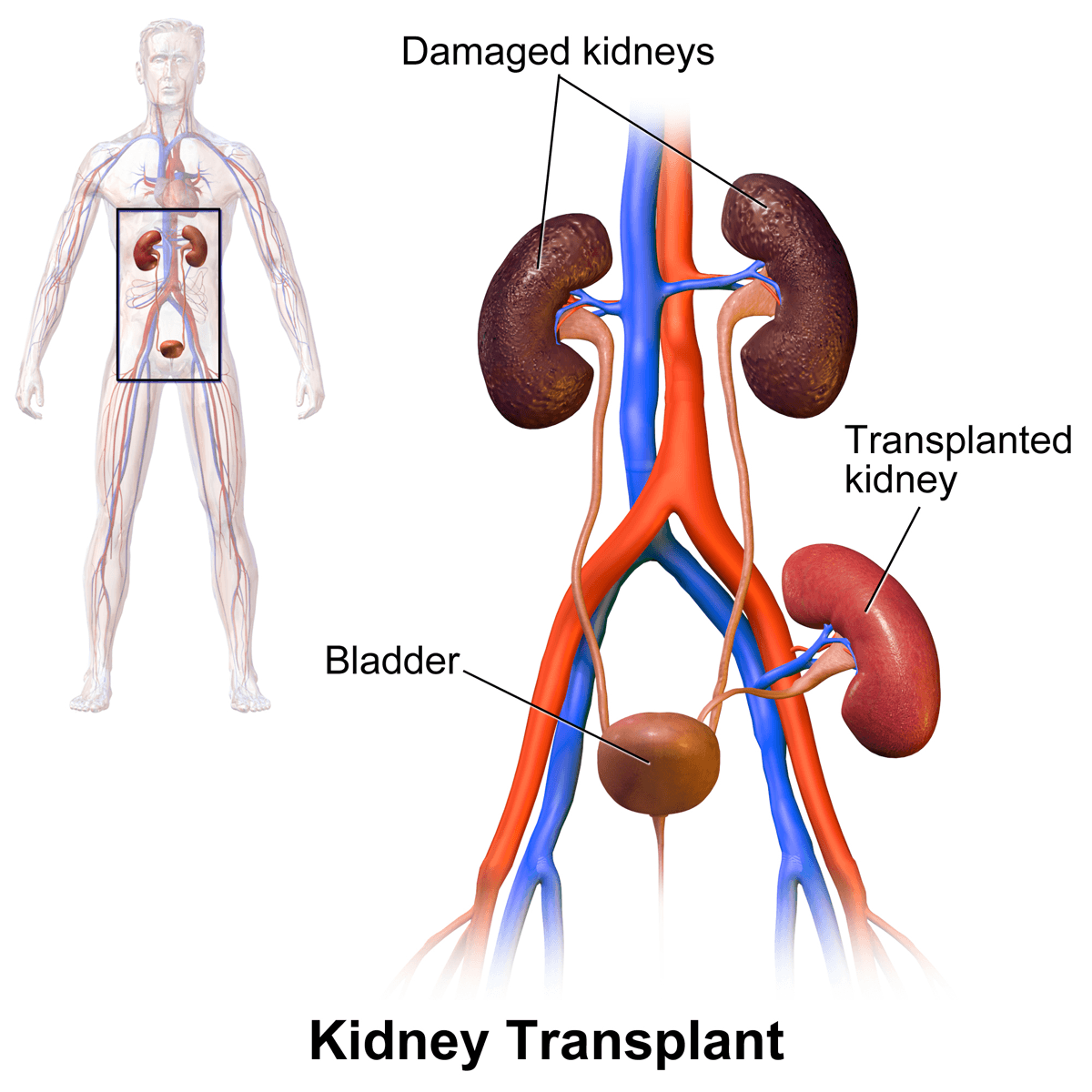
Tim Andrews spent years on dialysis, the machine doing the work his own kidneys no longer could. On January 25, 2025, doctors gave him something that had never worked in a person this long before: a kidney from a genetically modified pig.
What Happened
Andrews, a 66-year-old retired grocery store manager from Barrington, New Hampshire, received the pig kidney at Massachusetts General Hospital as part of an ongoing xenotransplantation program. The organ came from a pig genetically engineered with dozens of precise modifications designed to prevent his immune system from rejecting it and to eliminate biological safety risks.
The Record He Set
Andrews lived 271 days completely dialysis-free with the pig kidney functioning inside him — the longest anyone has gone on a porcine kidney xenotransplant. Then, earlier this year, he received a human kidney donation, and it started working immediately. That transition is the actual first: no one had ever successfully bridged from a pig kidney to a human one before Andrews.
Why the Bridge Matters More Than the Record
The point of the pig kidney was never to replace a human donor organ permanently — it was to buy time. Thousands of patients with end-stage kidney failure die waiting for a human donor match. A functioning pig kidney that can keep someone alive and off dialysis for the better part of a year, then hand off cleanly to a human transplant when one becomes available, is exactly the kind of bridge therapy transplant medicine has been chasing for decades.
How This Was Documented
Harvard Medical School physician-scientists at Massachusetts General Hospital detailed Andrews' full case in a paper published September 3 in The Lancet, laying out both the xenotransplant's performance and the successful handoff to a human organ. Andrews isn't the only person living this story either — he's one of a small handful of patients worldwide who've received a pig kidney, with a second New Hampshire patient more recently becoming just the second person known to be living with one.
What It Means Going Forward
This doesn't mean pig kidneys are ready for widespread use — Andrews' case is still one data point in an experimental program. But it's the strongest evidence yet that xenotransplantation can do exactly what researchers hoped: keep a dying patient alive and functioning long enough to reach the human transplant list, rather than losing that race entirely.