The US Senate voted 51-48 on Monday to advance a resolution aimed at undoing President Trump's tariffs on Canadian goods, with four Republicans breaking from the party to join every Democrat in the chamber.
Who crossed over, and why
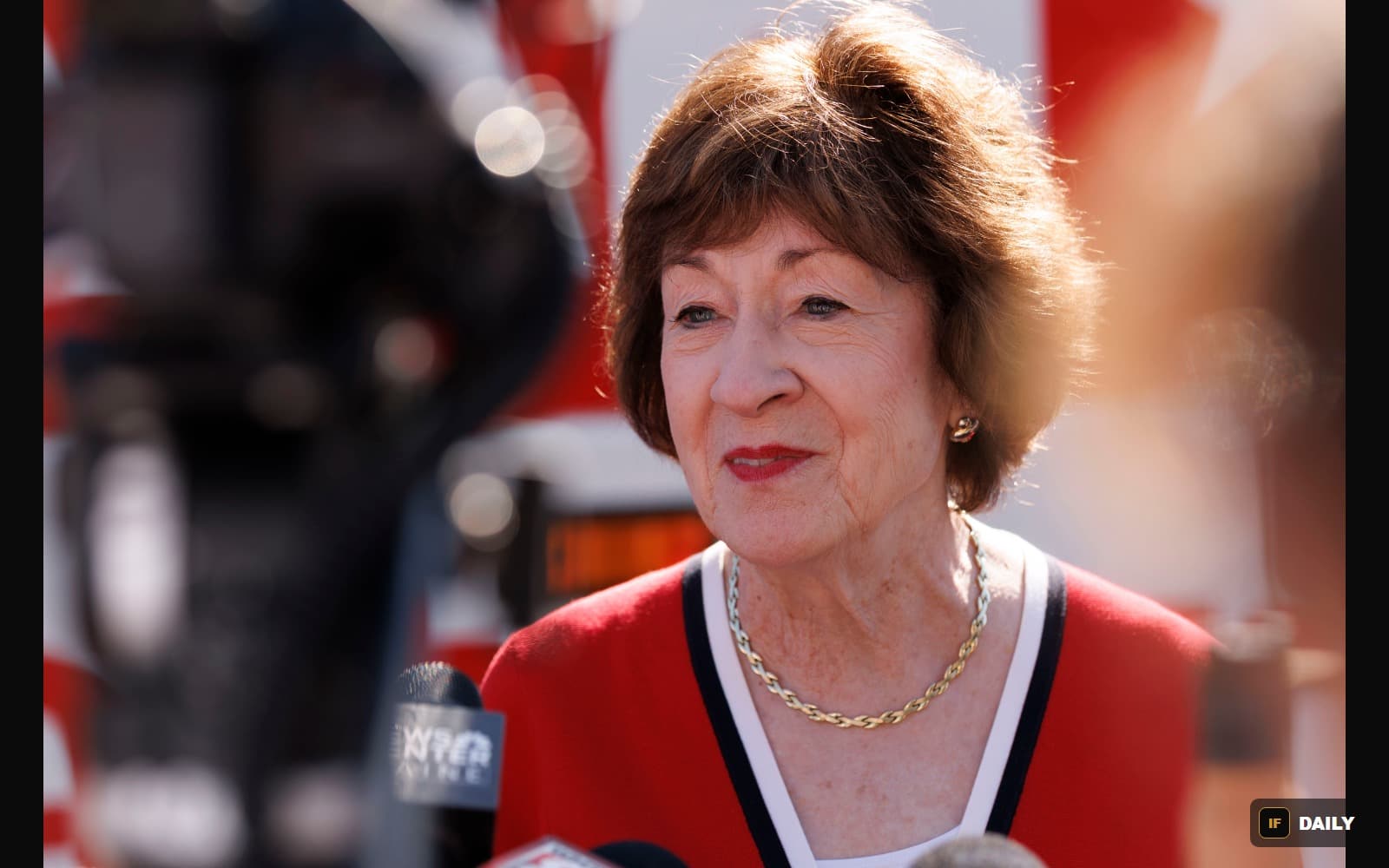
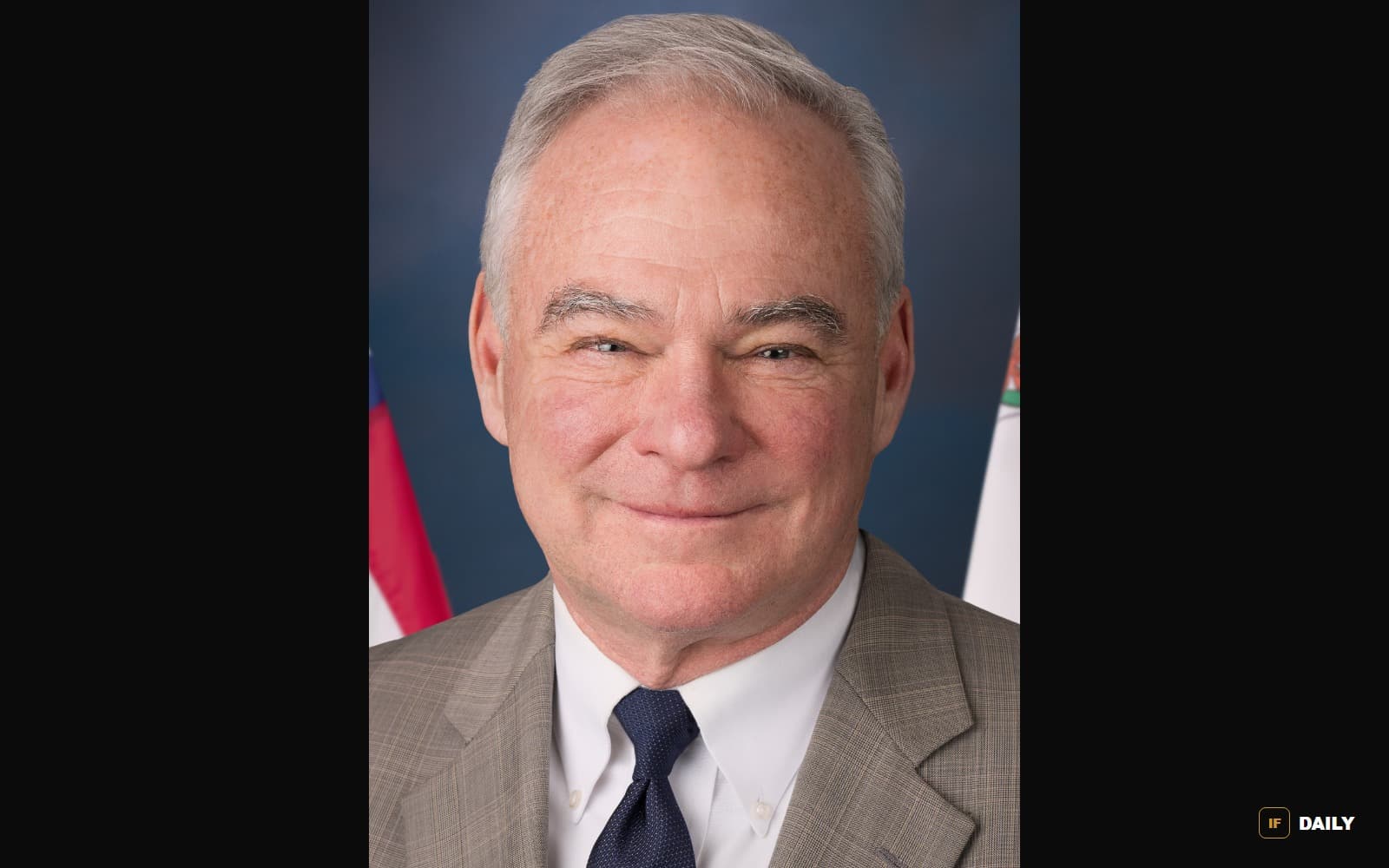
Republican Sens. Susan Collins of Maine, Lisa Murkowski of Alaska, Mitch McConnell of Kentucky and Rand Paul of Kentucky joined Democrats behind Senate Joint Resolution 37, sponsored by Sen. Tim Kaine of Virginia, which would terminate the national emergency Trump declared on February 1 to justify the tariffs under the International Emergency Economic Powers Act. Maine independent Sen. Angus King also backed the measure; Kansas Republican Roger Marshall did not vote.
I think there's a strong case to be made for tariffs on Mexico and on our adversary China, but I don't see the case for Canada.
Sen. Susan Collins (R-Maine)
Collins said the tariffs threaten Maine industries including lobster fishing, agriculture, paper mills and forest products, and disputed the administration's fentanyl-related justification for the measure, noting that less than 1% of fentanyl seizures happen at the Canadian border. She added that trade talks with Canada have been "really up and down," saying, "Yesterday I thought we had an agreement. This morning I read that it had collapsed."
What happens next
The resolution now moves to the House, where Republicans hold a narrow majority and are widely expected to block it; even if it passed, Trump has said he would veto it. Responding on Truth Social, Trump dismissed the vote as "just a ploy of the Dems to show and expose the weakness of certain Republicans," and said it "is not going anywhere." Even so, the 51-48 tally is being described as the most significant bipartisan rebuke of the administration's trade policy since Trump's second term began.