Trade talks between the United States and Canada collapsed on Friday, and both countries are now moving to slap 50% tariffs on billions of dollars of each other's goods.
What happened
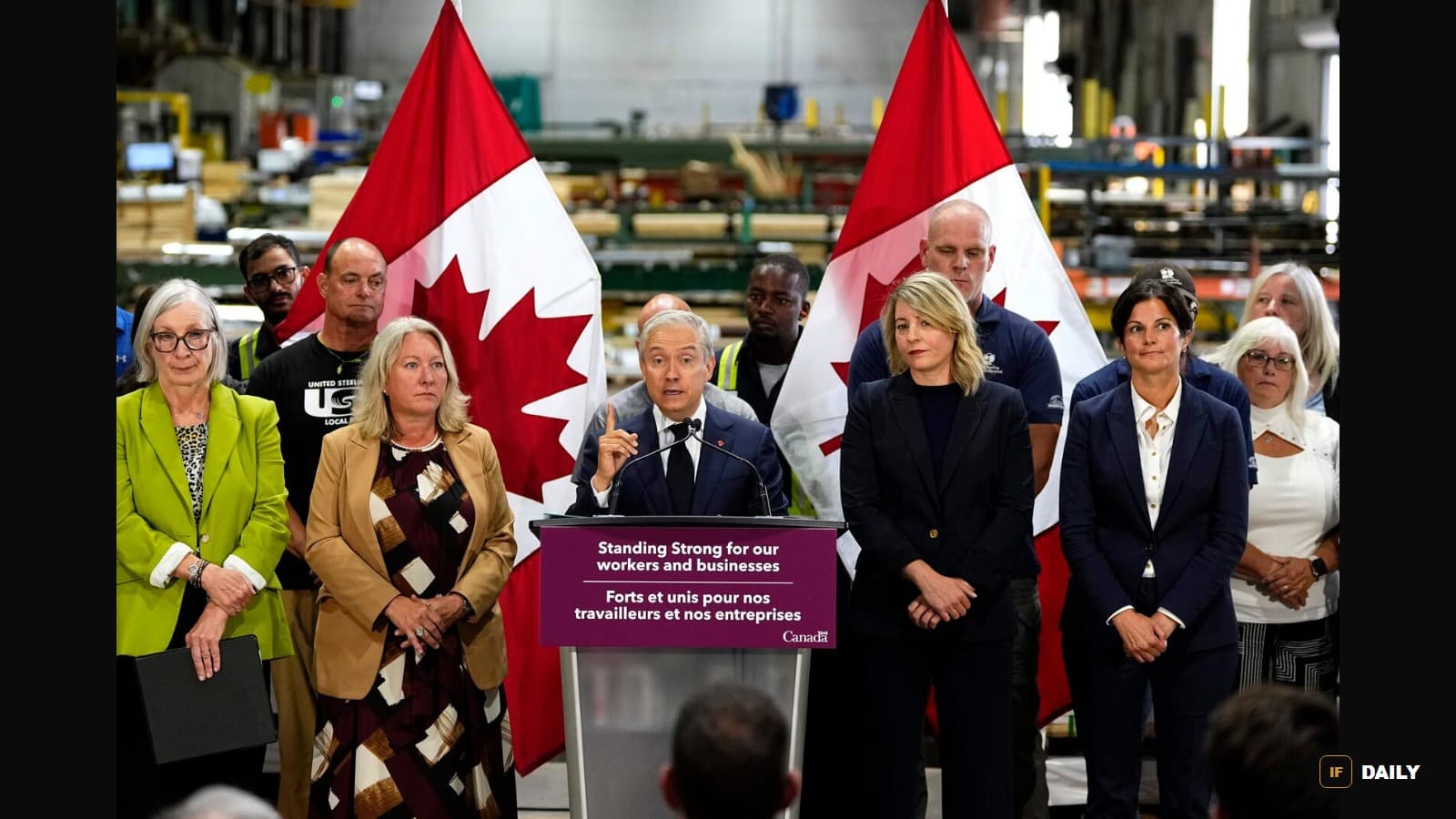
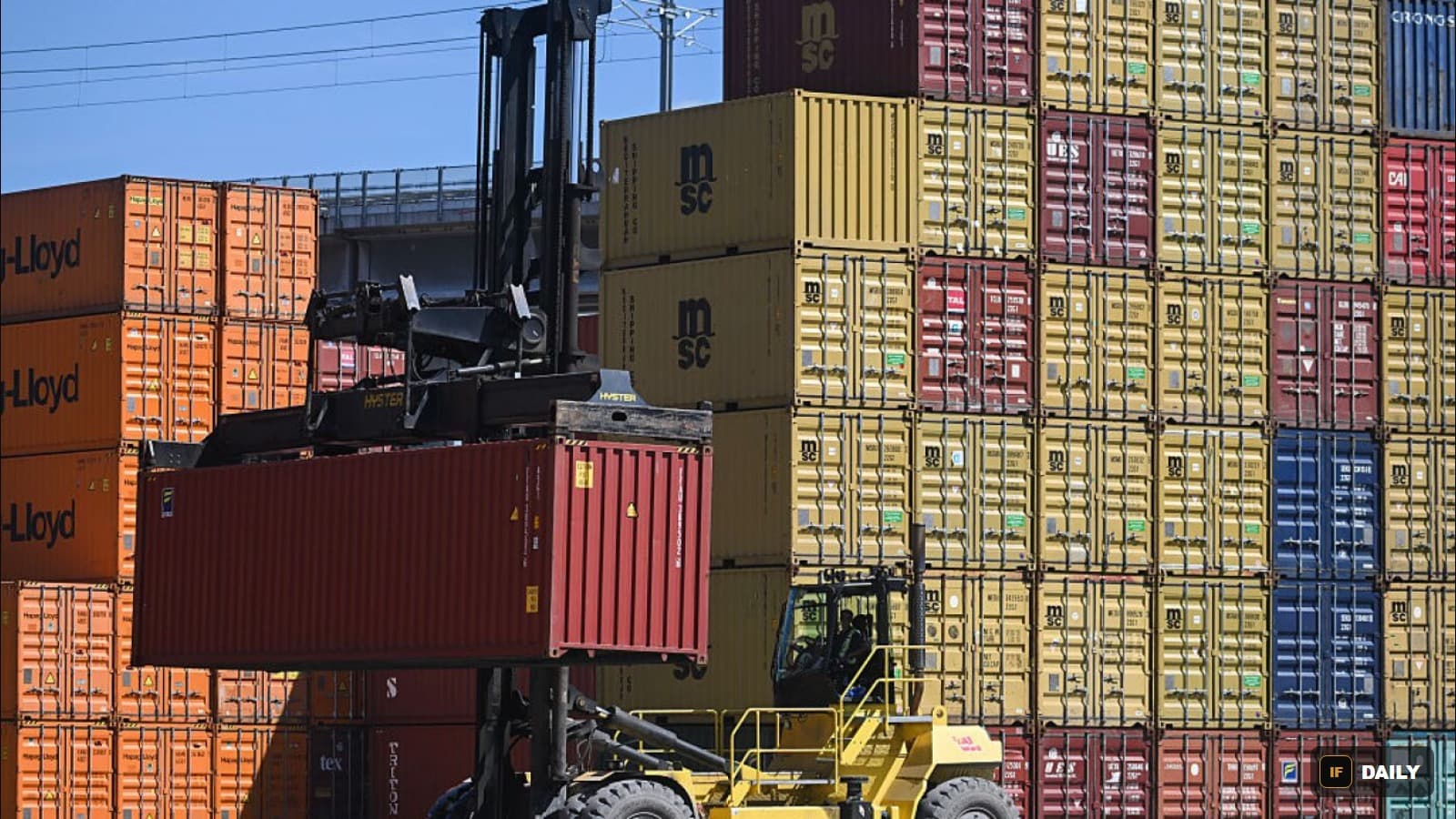
The U.S. has imposed 50% tariffs on roughly $20 billion worth of Canadian products. Canadian Prime Minister Mark Carney says Canada will match those tariffs "dollar for dollar," starting September 8.
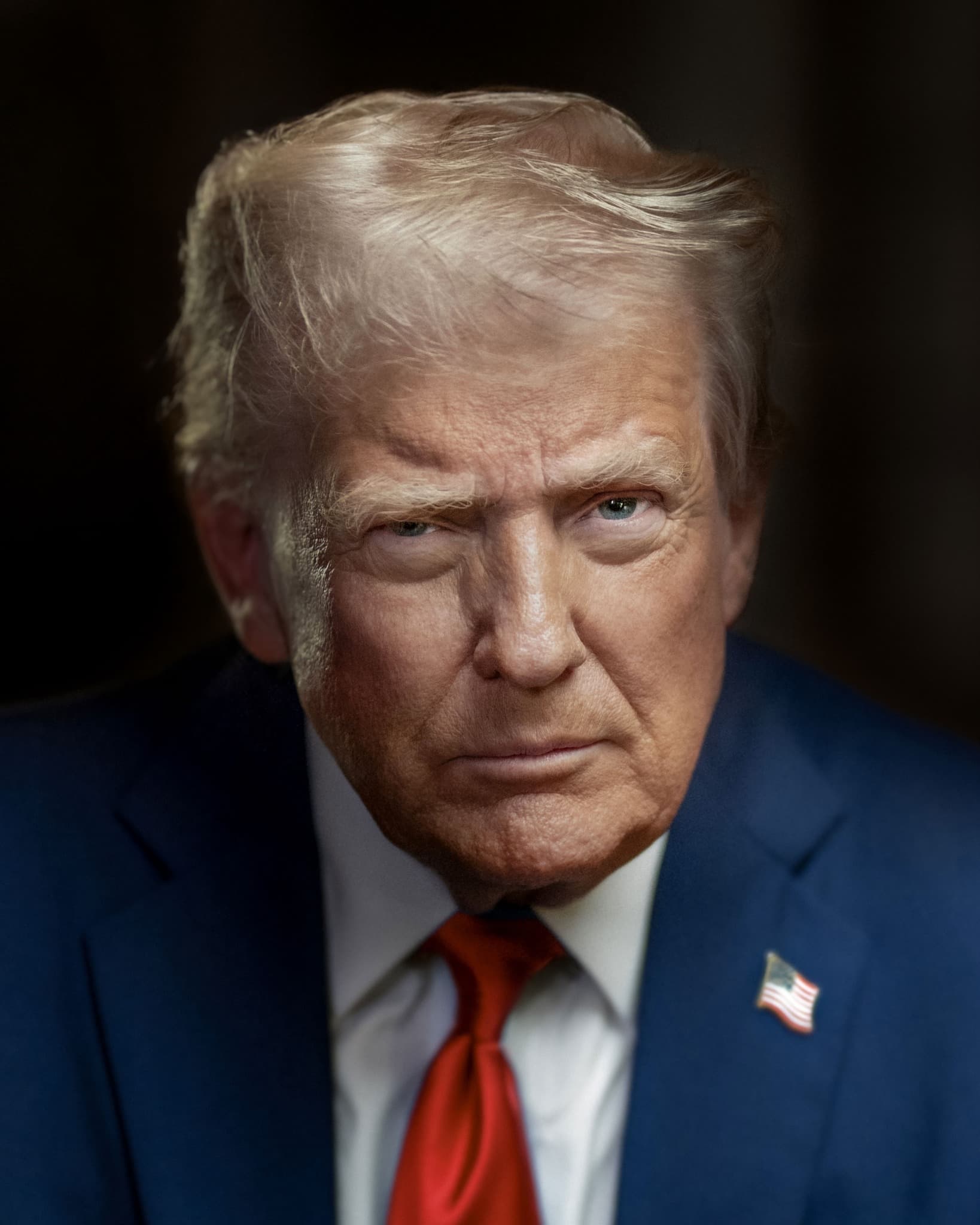
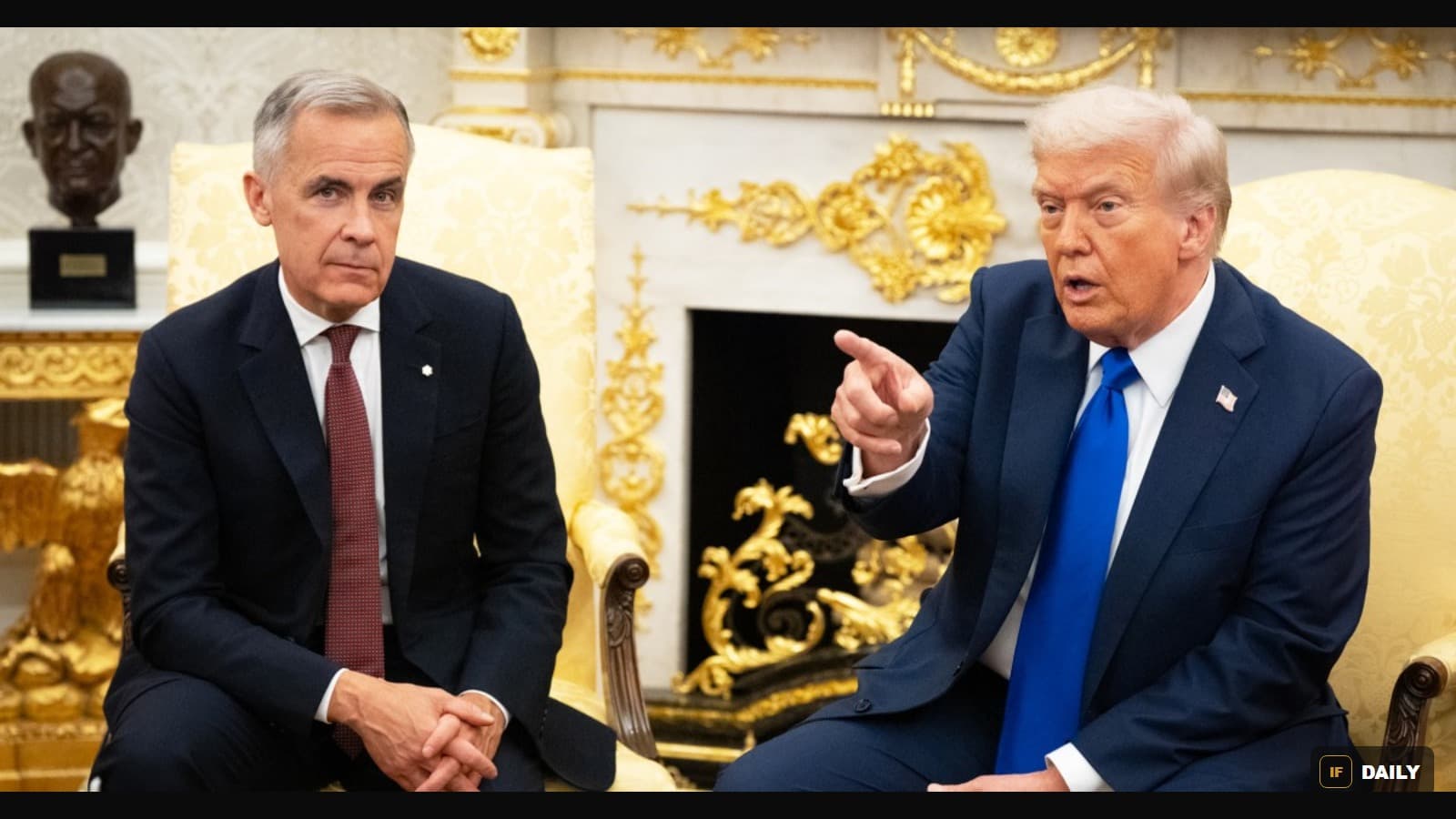
U.S. Trade Representative Jamieson Greer said Canada had "declined to finalize the trade deal under the terms agreed earlier this week," adding that "new demands and walk backs of other commitments by Canada have upended the careful balance reached in the past days." Asked directly what happened, Greer told CNBC's Squawk Box: "They wanted more."
Canada's side of the story
Carney offered a very different account, blaming the breakdown on what he called "uneconomic" and "unfair" U.S. demands. "In recent days, the United States proposed new terms that were uneconomic, unfair, and undermined the net benefits for Canada," he told reporters. "They asked too much, and they offered too little."
What's confirmed, what's disputed
Both sides agree the talks broke down and that new tariffs are now in motion — that part is confirmed by multiple outlets and by both governments directly. What's genuinely disputed is who is responsible: Washington says Canada backed out of an agreed deal; Ottawa says Washington's own eleventh-hour demands made the deal impossible to accept. IF Daily is presenting both accounts rather than choosing one.
Why it matters
The U.S. and Canada are each other's largest trading partners in many sectors, and tariffs at this scale affect prices on everyday goods on both sides of the border. There's no confirmed timeline yet for when — or if — talks might resume.