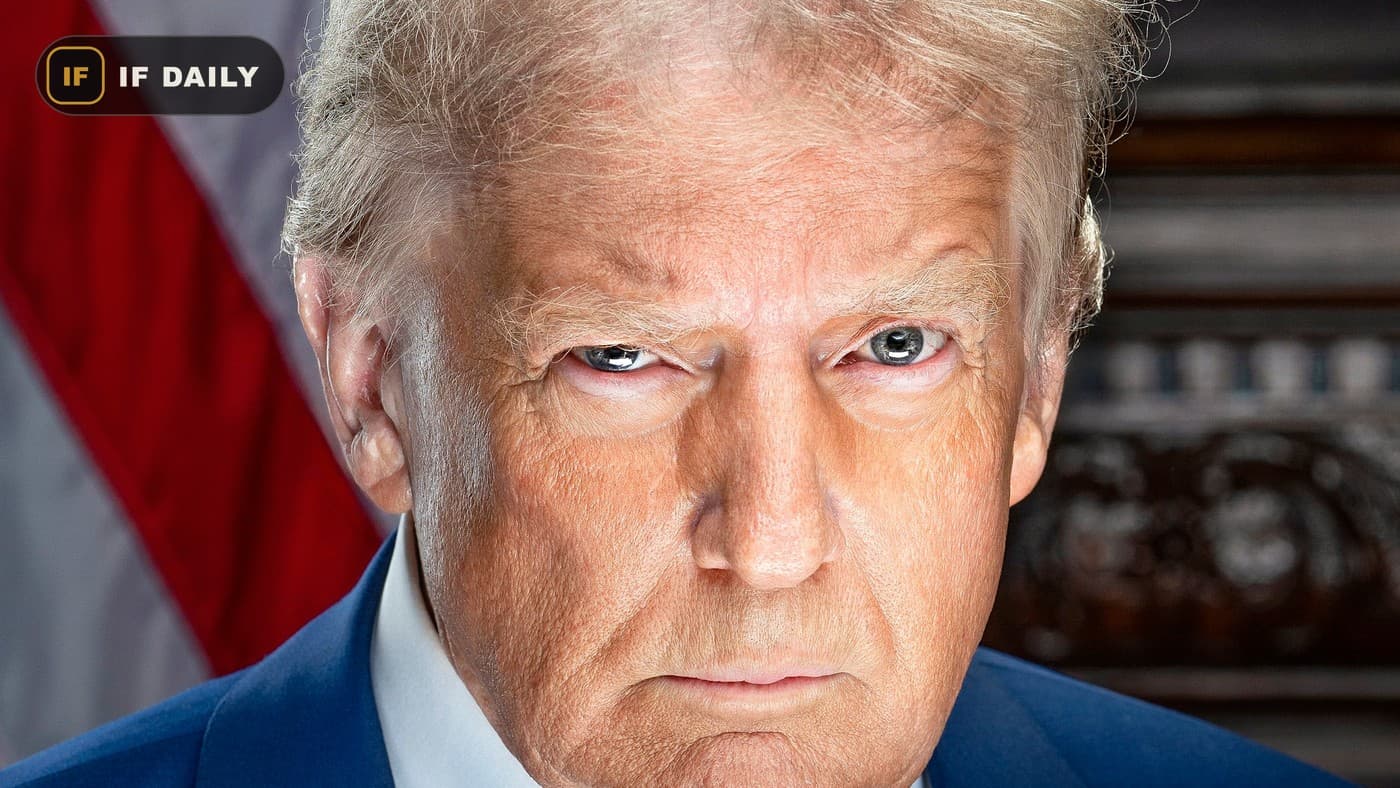
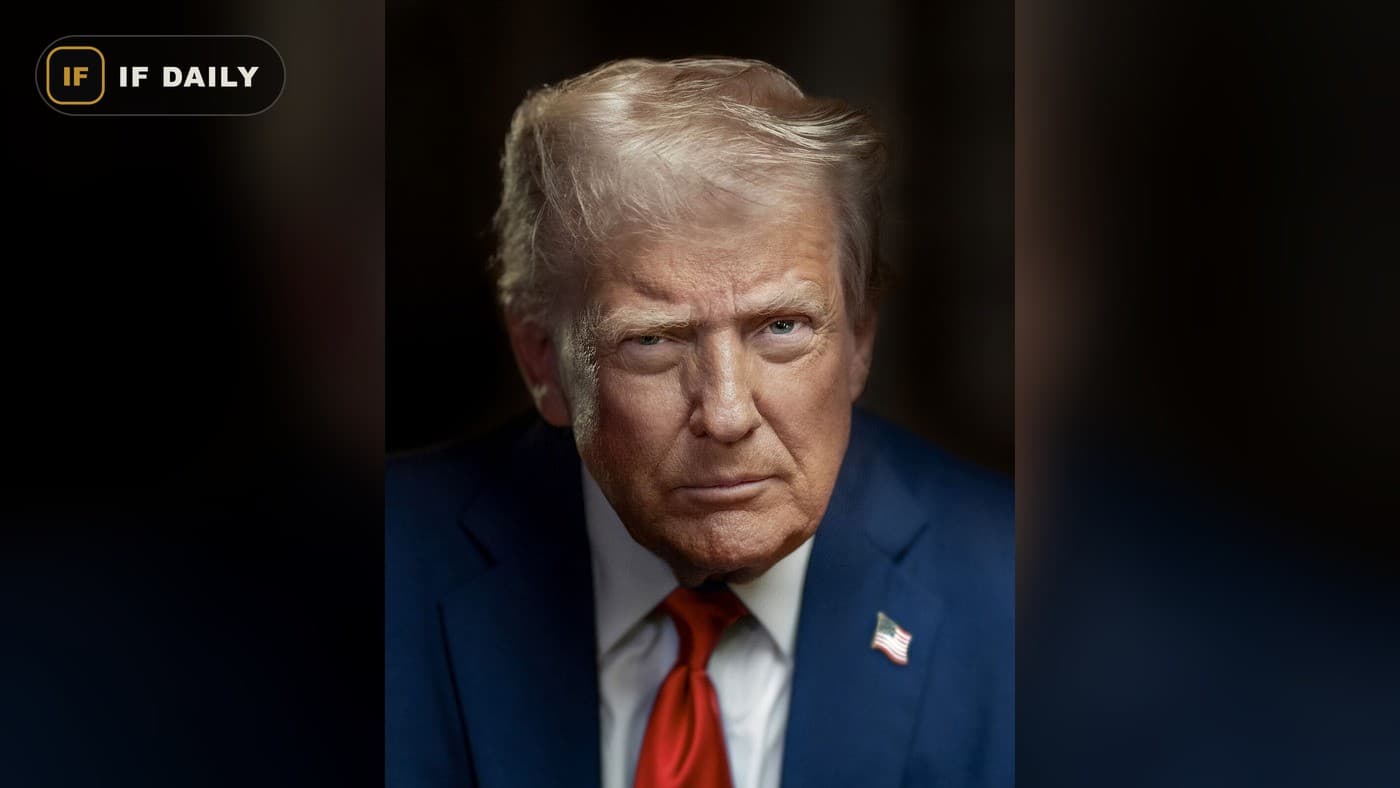
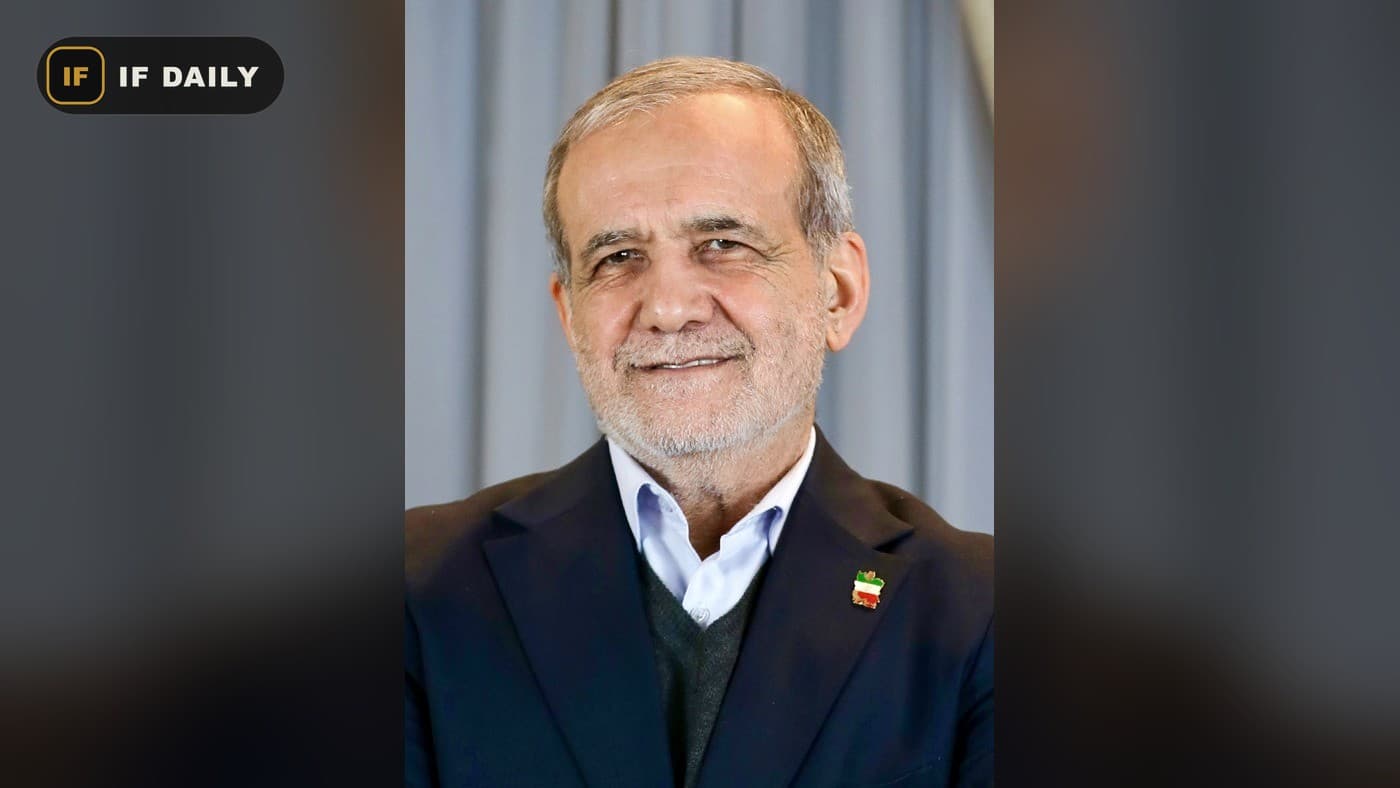
President Donald Trump said Sunday that he is in a “deciding mode” on Iran and would “probably” be open to meeting Iranian President Masoud Pezeshkian at the UN General Assembly in New York this week, according to Fox News correspondent Trey Yingst, who said he spoke with Trump by phone. Iran’s military responded by warning of “sustained retaliation” if it is attacked, according to Reuters.
What Trump said, as relayed by Fox
Yingst reported on Fox & Friends Weekend on Sunday, Sept. 20, that Trump described the options on the table as “wiping Iran out, letting them rot economically or making a deal,” according to Mediaite. Yingst also relayed that Trump said “very big things are going to be happening in the not-so-distant future” and, “My question is, if and when do I blow the entire nation up?” followed by “They better behave.” Mediaite noted that Yingst presented these remarks as a summary of the conversation, not a recording, so the wording is his account of what Trump said.
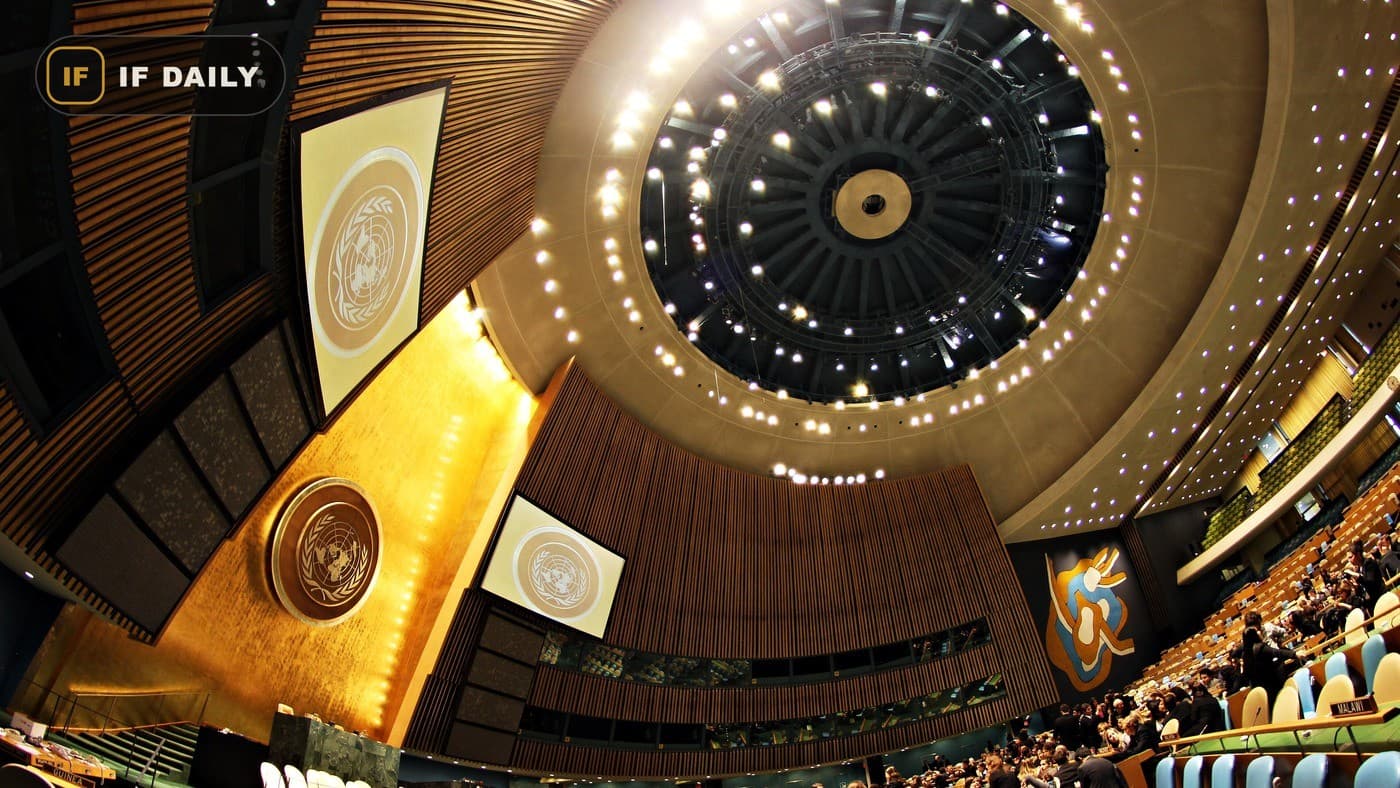
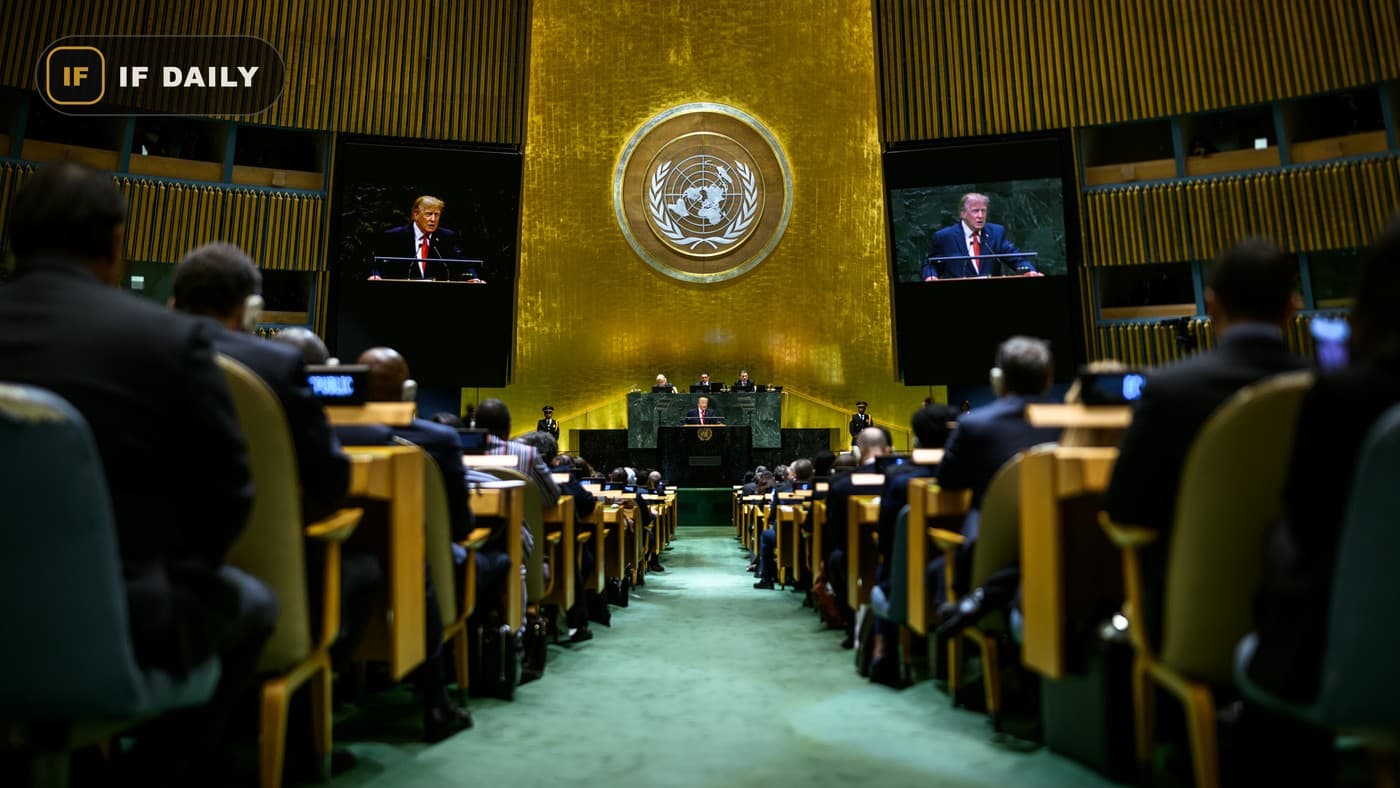
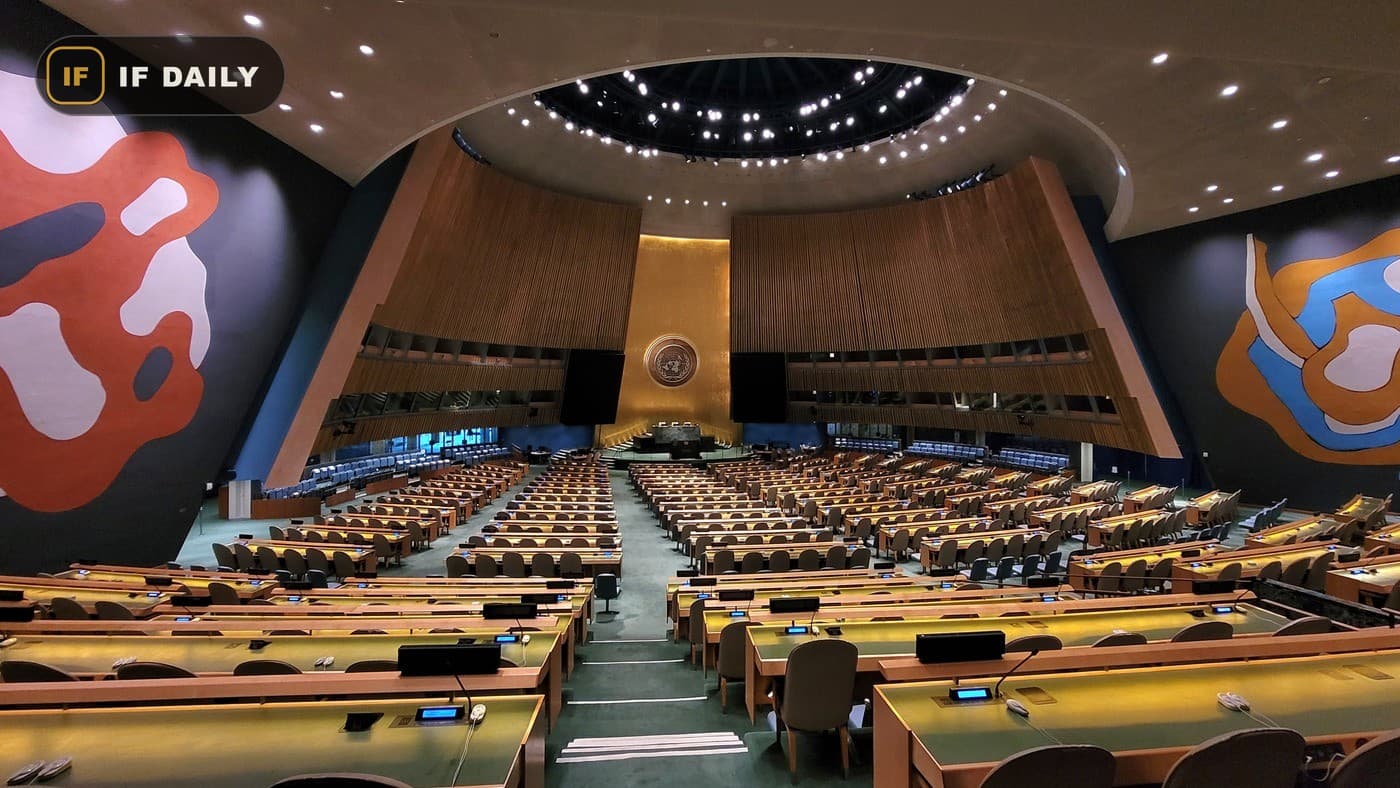
Asked whether he would meet Pezeshkian during the UN General Assembly, Trump said “probably,” Yingst reported. Reuters, carried by The Korea Times and The Standard, described Trump as open to a meeting. The Week reported that the Assembly’s high-level week runs Sept. 22–29 and that Iran’s delegation was granted U.S. visas. No meeting had been confirmed in the coverage IF Daily reviewed.
How Iran responded
Iran’s military central command said any new attack would bring “sustained retaliation against U.S. bases and interests,” and that Washington’s regional allies would be treated as parties to the conflict, according to Reuters. The command also claimed to have information about preparations for a new strike. That is a claim by Iran’s military, and IF Daily could not verify it.
What set off the exchange
The warnings followed missile and drone attacks on Riyadh, the Saudi capital, that Yemen’s Iran-backed Houthi group claimed on Saturday, Sept. 19. Reuters footage showed a large plume of black smoke near King Khalid International Airport, and the U.S. State Department issued a security alert warning of possible escalation across the Middle East, according to Reuters.
The war and its economic toll
The war began Feb. 28 with joint U.S. and Israeli strikes on Iran, according to The Week and The Korea Times. Reuters described it as stalemated for months, with neither side signaling readiness to make concessions. Reuters reported that Iran’s blockade of the Strait of Hormuz and a U.S. blockade of its ports have hit Iran’s economy and blocked Gulf energy exports, and that Iran has refused to reopen the strait until the terms of a June ceasefire are met as Tehran interprets them.
What to watch
Trump’s remarks raise the possibility of a face-to-face meeting in the same week world leaders gather in New York. What happens next depends on decisions neither side has announced. IF Daily will update this story as the situation develops.