President Donald Trump has rejected Iran's proposal for a seven-day ceasefire and has privately told aides he expects US bombing of Iran to resume after the November midterm elections, the Wall Street Journal reported on Saturday.
The report, picked up by Bloomberg, Ynet and the Times of Israel among others, describes the latest breakdown in a war that is now in its eighth month.
What Iran put on the table
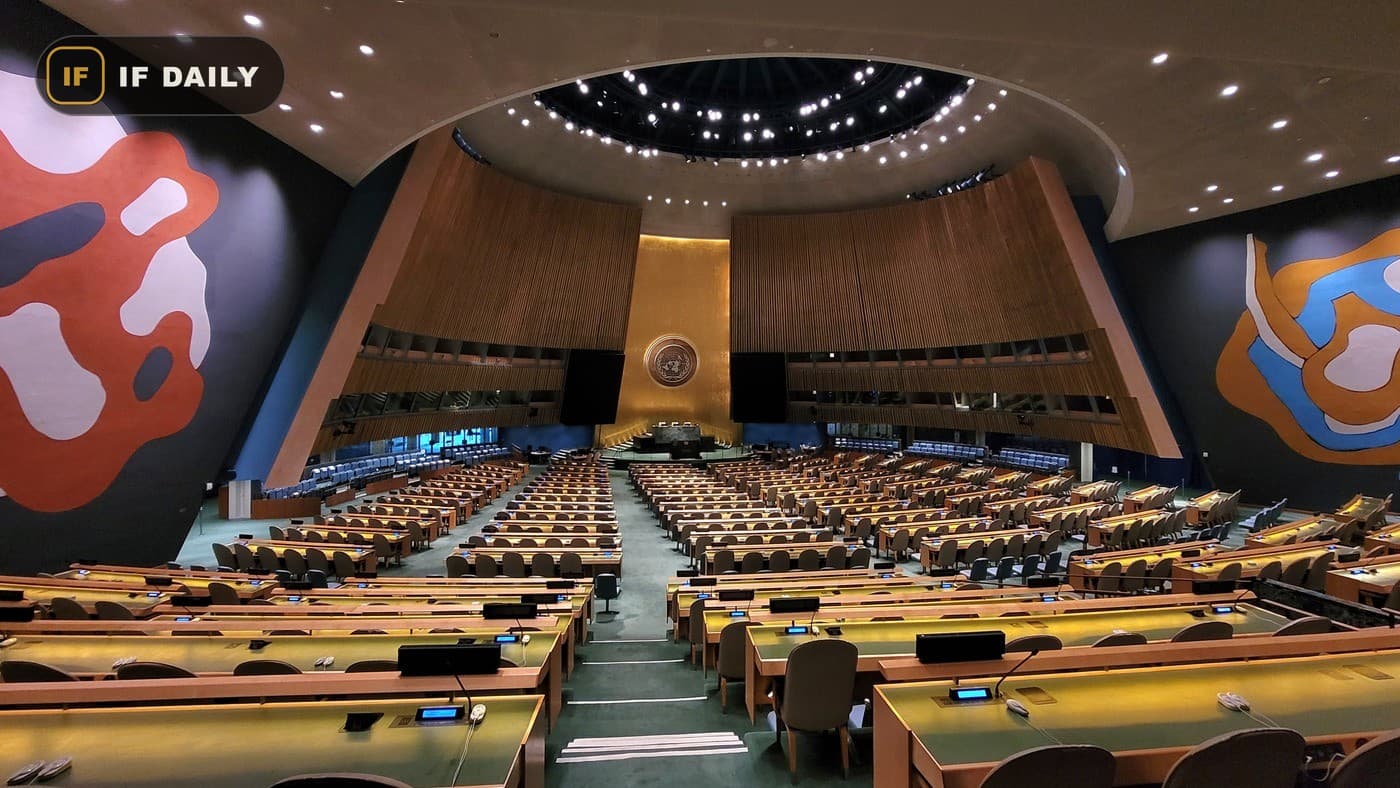
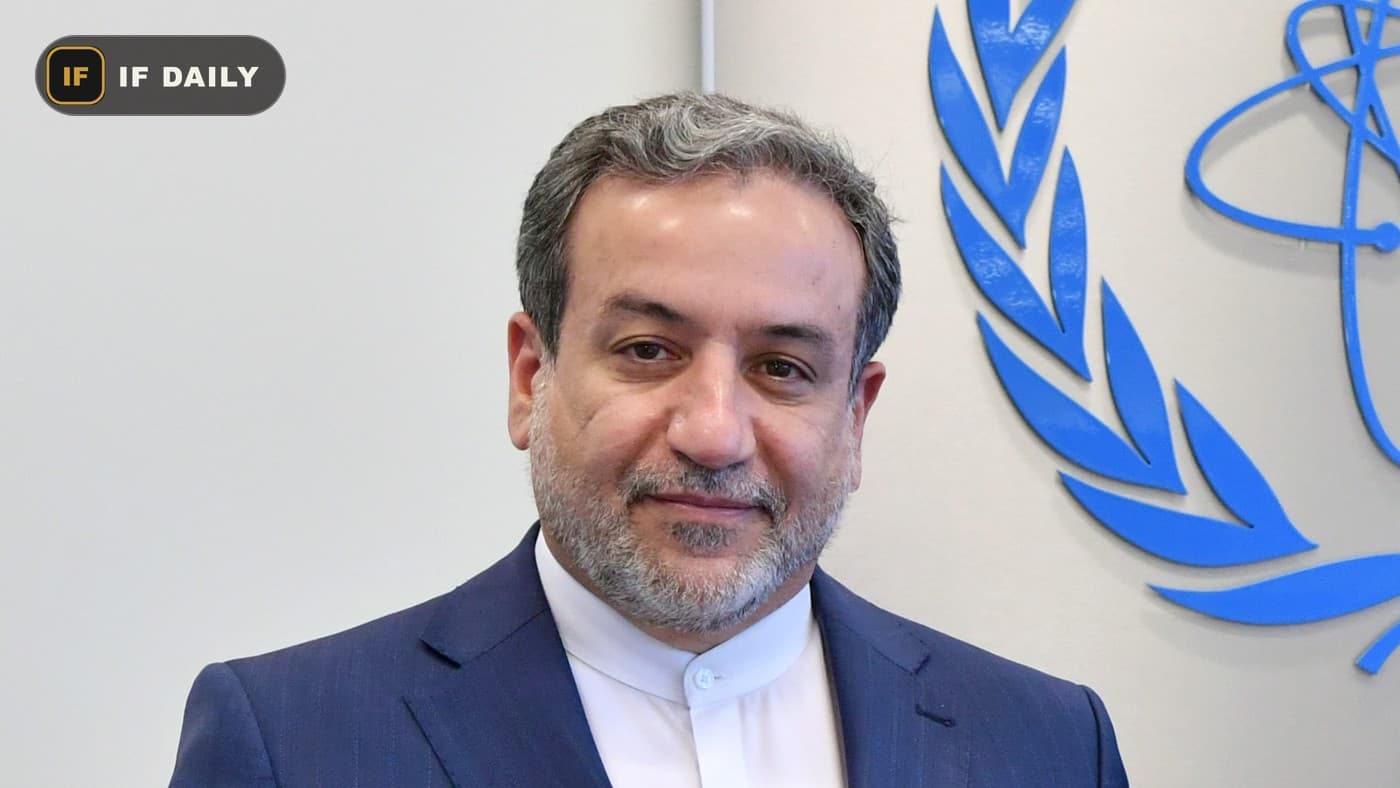
Iranian Foreign Minister Abbas Araghchi presented the plan at the UN General Assembly. Under it, Iran would halt hostilities, reopen the Strait of Hormuz to maritime navigation within seven days, and return to comprehensive negotiations over its nuclear programme.
In exchange, Tehran asked Washington to lift its naval blockade of Iranian ports, release some frozen Iranian assets and ease sanctions on Iranian oil exports. Reporting on the plan described it as broadly similar to a memorandum of understanding the two sides reached in June.
Why Trump said no
US officials cited by the Wall Street Journal said Trump is skeptical that Iran is willing to meet his demands, and that he told aides he expects to resume bombing after the November vote.
Those same officials attached significant caveats. They said Trump is reluctant to restart major combat operations, that the scope of any renewed strikes is unclear, and that his position could change again — including in response to the midterm results themselves.
It is worth being precise about what is and is not established here. The rejection and the private remarks come from unnamed US officials speaking to the Wall Street Journal. Neither the White House nor Trump has publicly confirmed the account.
What he has said in public
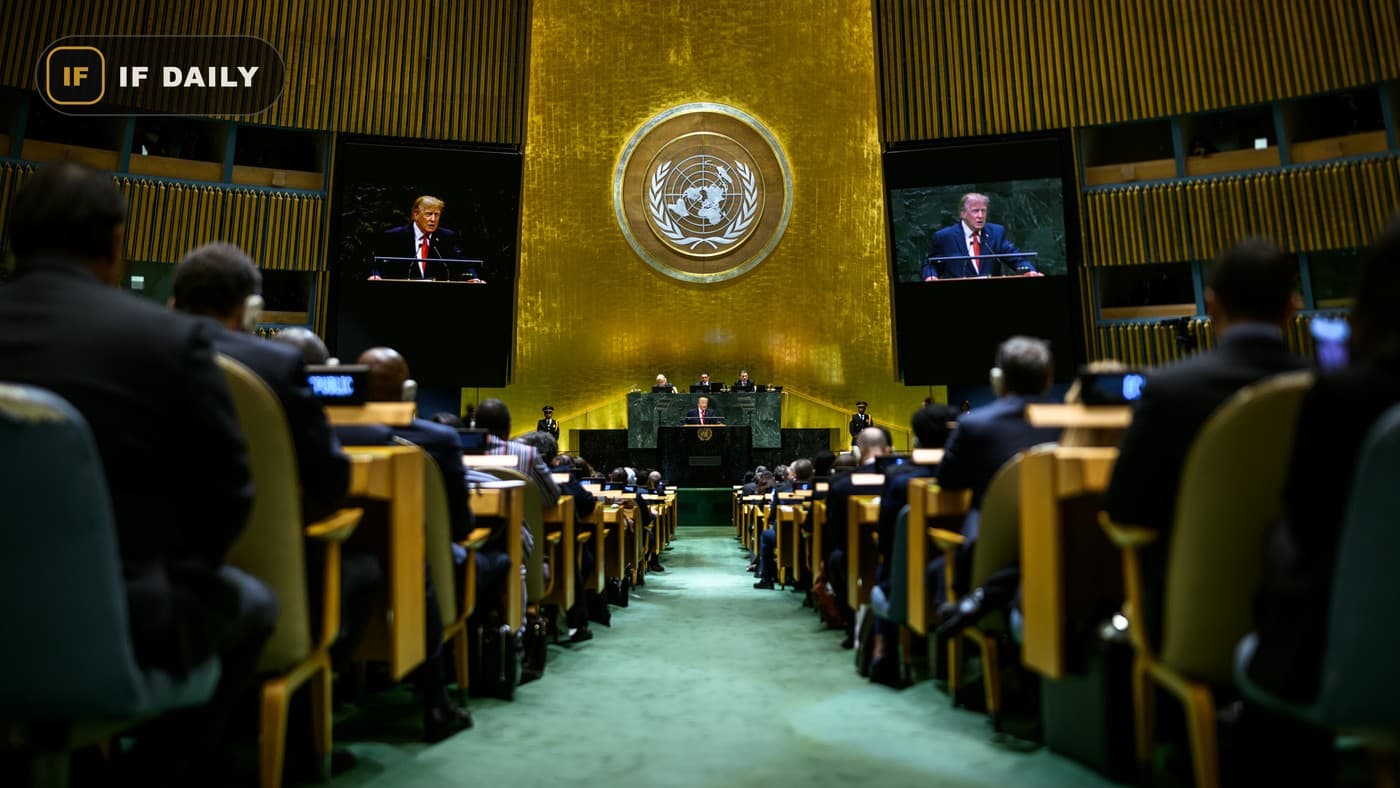
Trump's public position has been similarly open-ended. In his September 22 address to the UN General Assembly, he framed the choice this way: "I have a big decision to make. Will a deal be made with Iran … Or do I annihilate the Islamic Republic … But I believe we'll make a deal right after the election."
That speech and the reported private remarks point in the same direction on timing — that Trump sees the midterms as the hinge — while differing on what follows it.
Where this leaves the war
The conflict began in February 2026. The June memorandum of understanding briefly suggested an off-ramp, and talks have continued on and off through regional mediators, including in Qatar.
This week also saw the US Senate narrowly reject, 49-50, a war powers resolution that would have directed Trump to end military operations against Iran unless Congress explicitly approved continuing them.
For now the war sits where it has sat for months — not resolved, not fully resumed, and waiting on a decision that both the reporting and Trump's own words place after November.