Three times, the Trump administration went to the Supreme Court trying to force through a new U.S. Postal Service rule restricting mail-in ballots before the midterms. The first attempt, in August, actually worked — the Court handed Trump a preliminary win. But federal judges kept blocking the rule anyway, and on Monday, September 14, the Supreme Court finally shut the door for good.
What the Rule Would Have Done
The regulation, stemming from an executive order Trump signed in March, would have required states to send the Postal Service lists of who mail ballots were being sent to, and to use ballot envelopes the agency had pre-approved. Under the rule, USPS could reject ballots that didn't match those lists or weren't tied to registered voters — a level of federal gatekeeping over mail voting that hadn't existed before.
An Unsigned Order, and a Republican-Appointed Justice Who Wouldn't Go Along
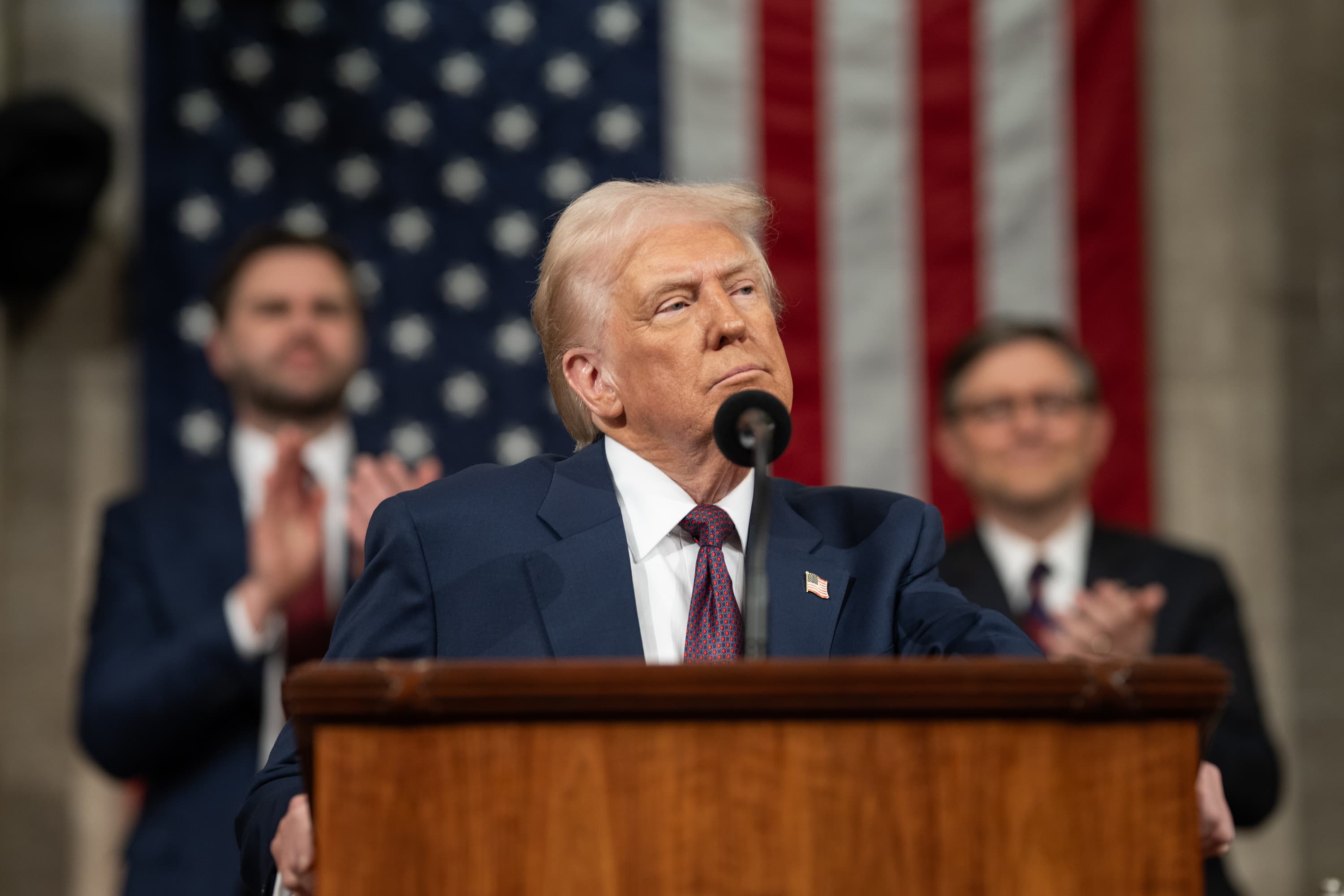
The Court's rejection came in a brief, unsigned order — but the real story is in the concurrence. Justice Brett Kavanaugh, a Trump appointee, agreed the rule should stay blocked, writing that there's "at least a fair prospect that the final rule falls within the Postal Service's statutory authority," but that applying it now "would be arbitrary and capricious in violation of the Administrative Procedure Act because state and local election officials do not have sufficient time to reasonably implement the rule before the elections."
In plain terms: it might be legal eventually, but rolling it out weeks before people vote isn't. Justices Samuel Alito and Clarence Thomas dissented, arguing the states challenging the rule were unlikely to succeed on the merits.
"A Bad Decision"
Trump didn't hold back, calling the ruling a "bad decision" and a "big loss for Republicans" — a notable jab given that two of the justices in the majority were his own appointees. On the other side, Attorney General Letitia James, who helped lead the legal challenge, said the Court "protected one of our most fundamental, inalienable rights — the right to make your voice heard at the ballot box."
What This Actually Means for Voters
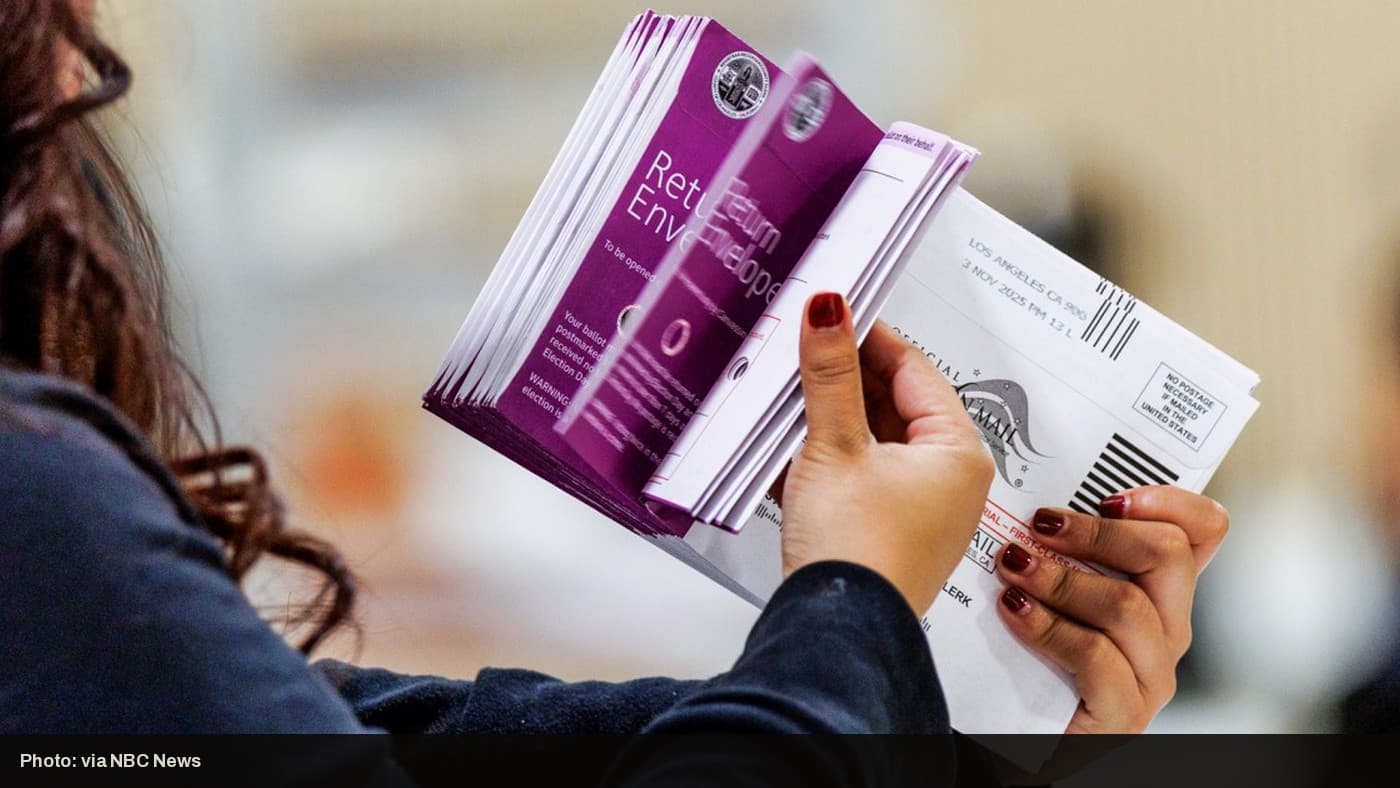
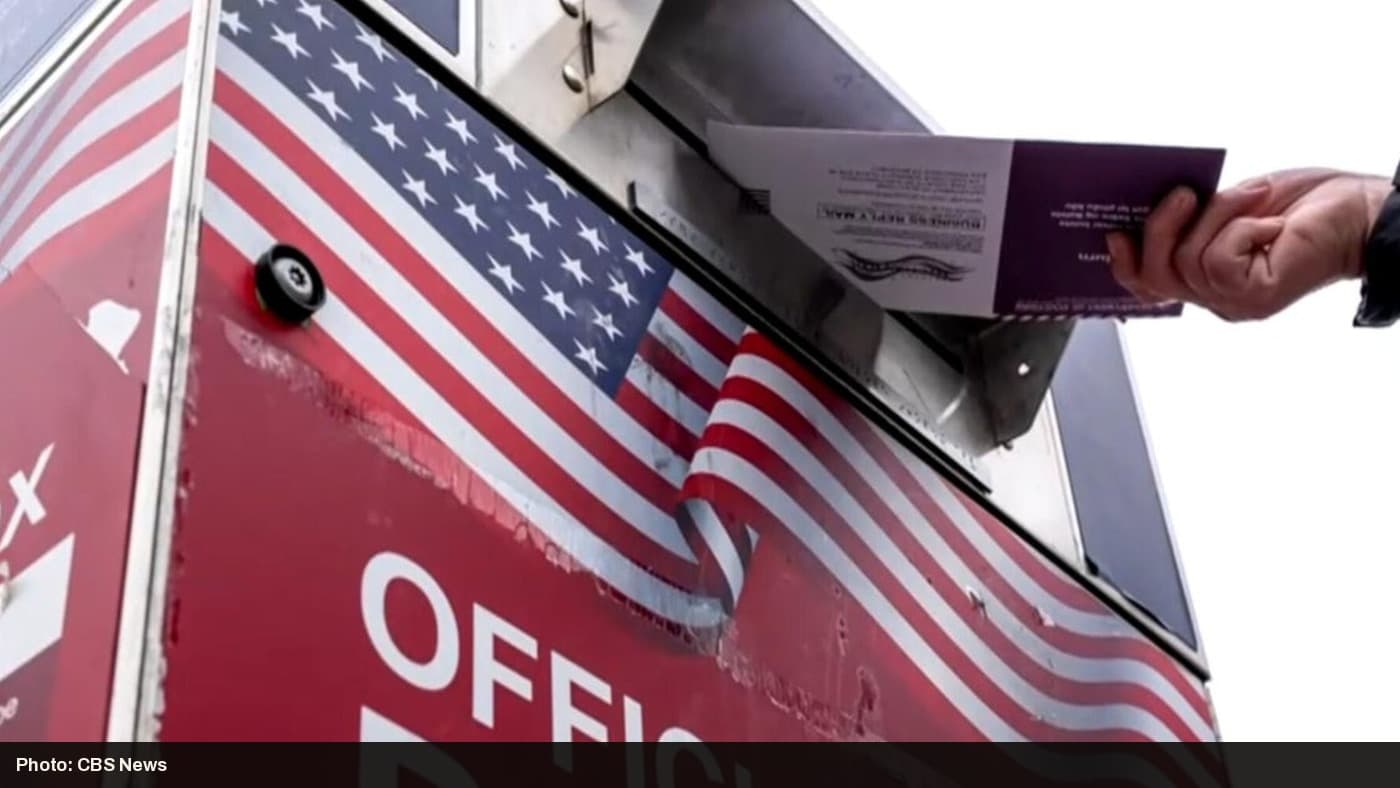
With the rule blocked, mail ballots continue moving through the same process states have used for years — a system that accounts for roughly a third of all votes cast nationally. Election officials had warned that complying with the new USPS requirements on this timeline was effectively impossible and risked disenfranchising voters who'd already been mailed ballots under the old rules. For now, that risk is off the table — not because the rule was struck down as illegal, but because the Court said the timing made it unworkable.