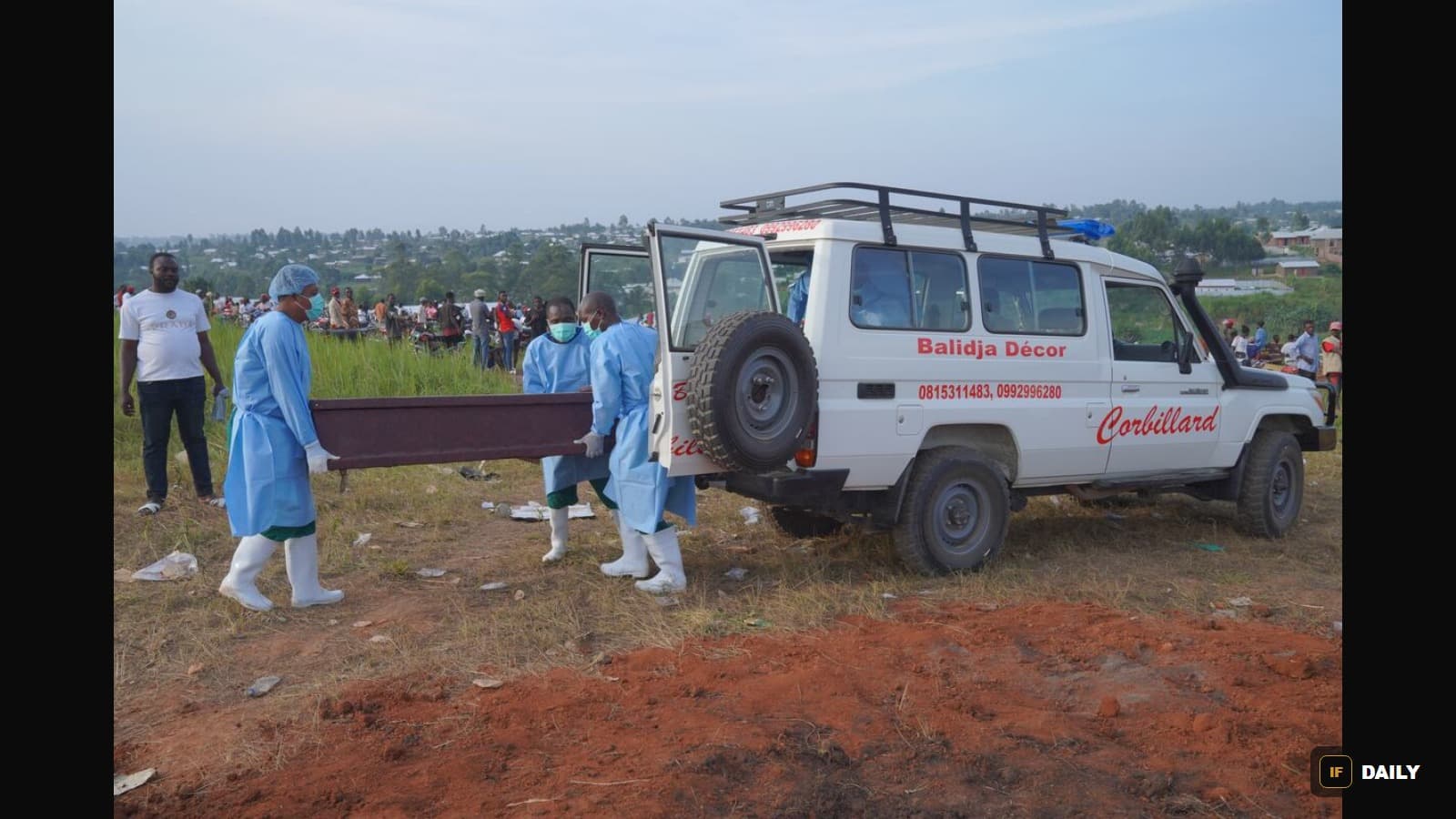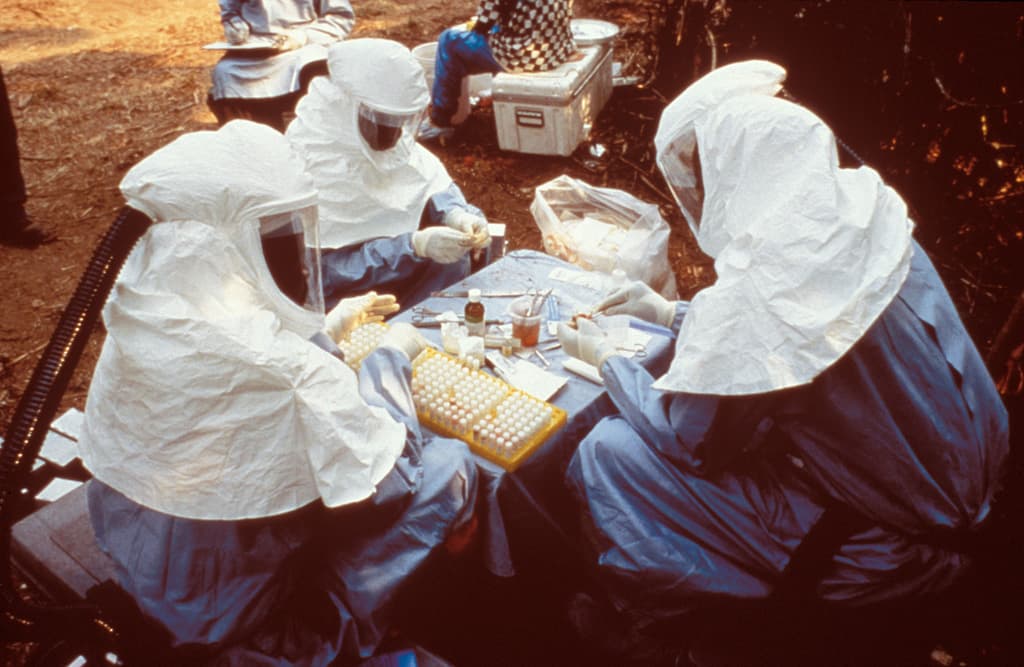
Most Ebola outbreaks are measured in months before they're brought under control. This one has managed to become the deadliest in the Democratic Republic of Congo's history, and the fastest-spreading Ebola outbreak ever recorded anywhere, in about the same time it takes a school semester to finish.
The Numbers
As of September 2, Congo has recorded 6,250 confirmed cases and 3,039 deaths since the outbreak was declared a global health emergency in mid-May — roughly three and a half months ago. Ituri province has been hit hardest, with more than 5,100 cases and over 2,300 deaths across 28 of its 36 health zones. North Kivu has recorded nearly 900 cases.
Why This One Is Different
This outbreak is caused by the Bundibugyo species of Ebola, and it's spreading faster than health workers can track and contain it — which is precisely what's made it so deadly so quickly. It has already surpassed Congo's 2018–2020 epidemic to become the country's worst outbreak on record.
The World Health Organization says the outbreak is currently on pace to pass the toll of the 2014 West Africa epidemic, which killed roughly 11,000 people — but took the better part of a decade to get there. This one is three and a half months old.
It Hasn't Stayed Contained to Congo
In May, a U.S. citizen infected in Congo was medically evacuated to Germany for treatment. In July, the U.S. CDC confirmed a second American — a humanitarian worker in Congo — had also tested positive for the Bundibugyo virus. Neither case has led to wider spread outside the country, but both underline how a fast-moving outbreak in one place can reach the rest of the world within days.
What Happens Next
Health authorities aren't describing this as slowing down. Case counts and the death toll are both still climbing, and the outbreak remains active across dozens of health zones in two provinces. For now, the response is a race against a virus that's already outpacing every recent comparison point health officials have.