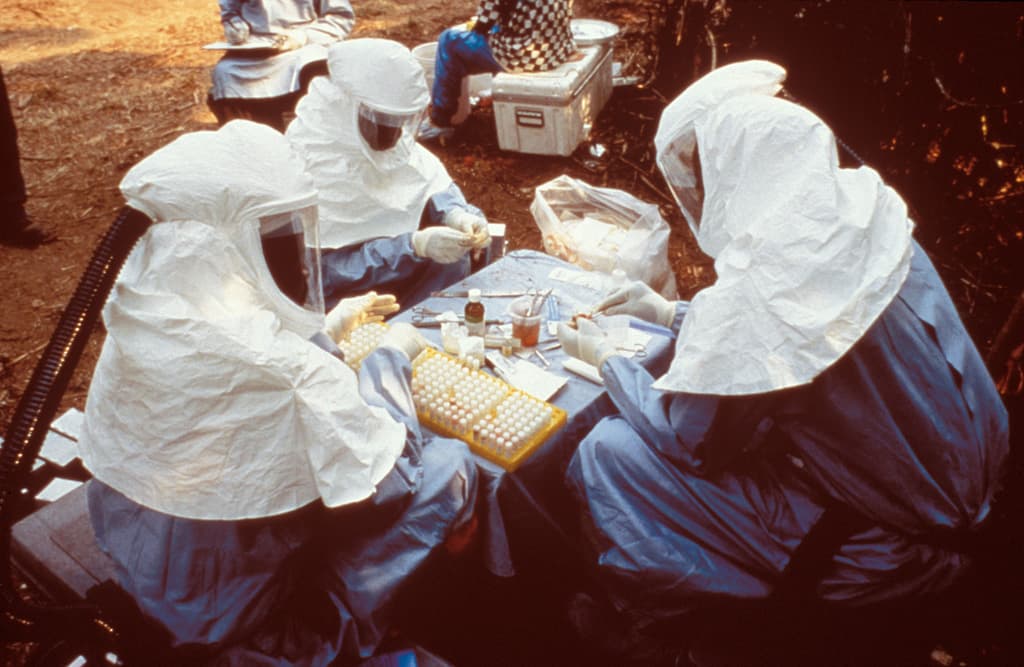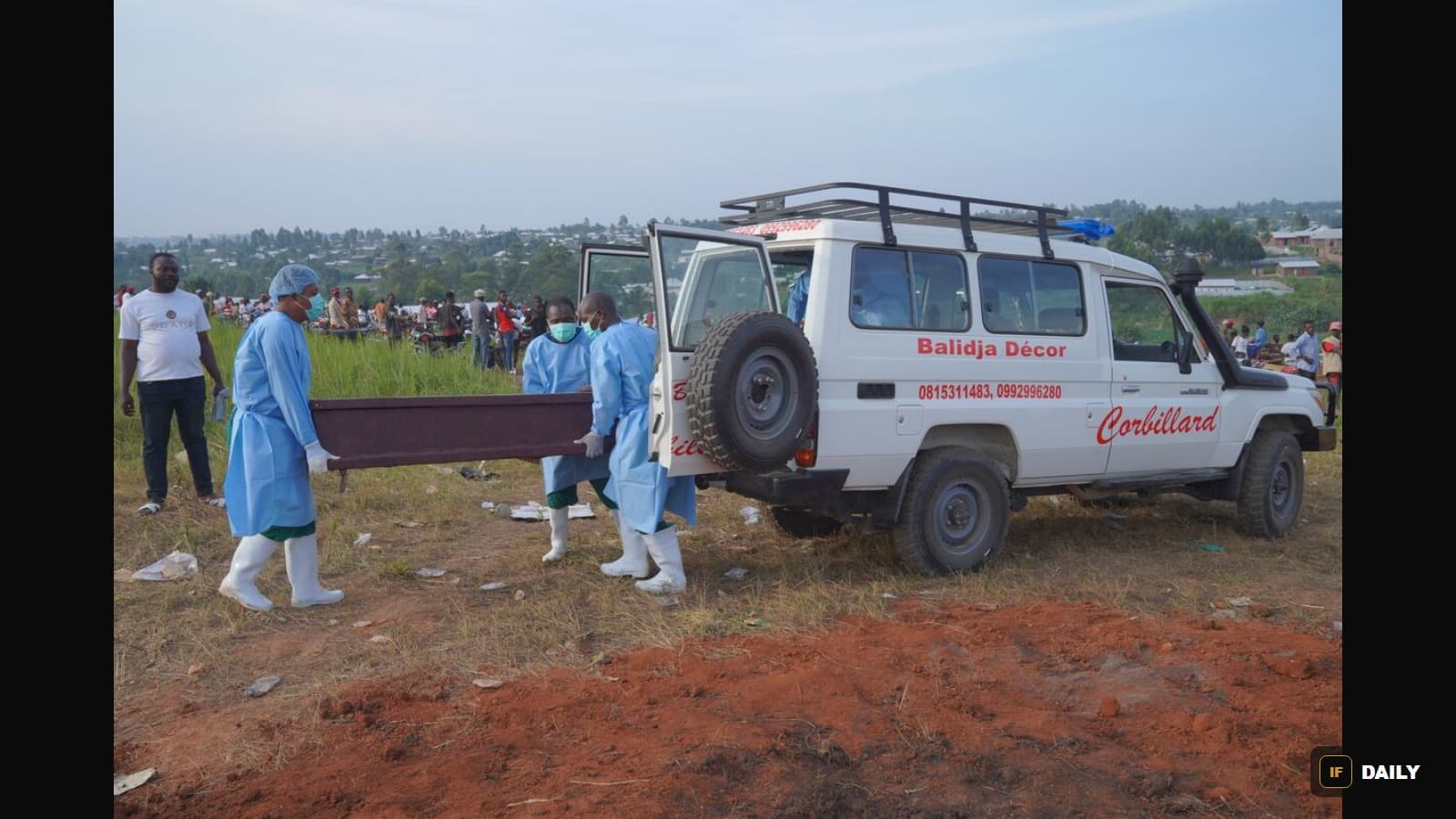
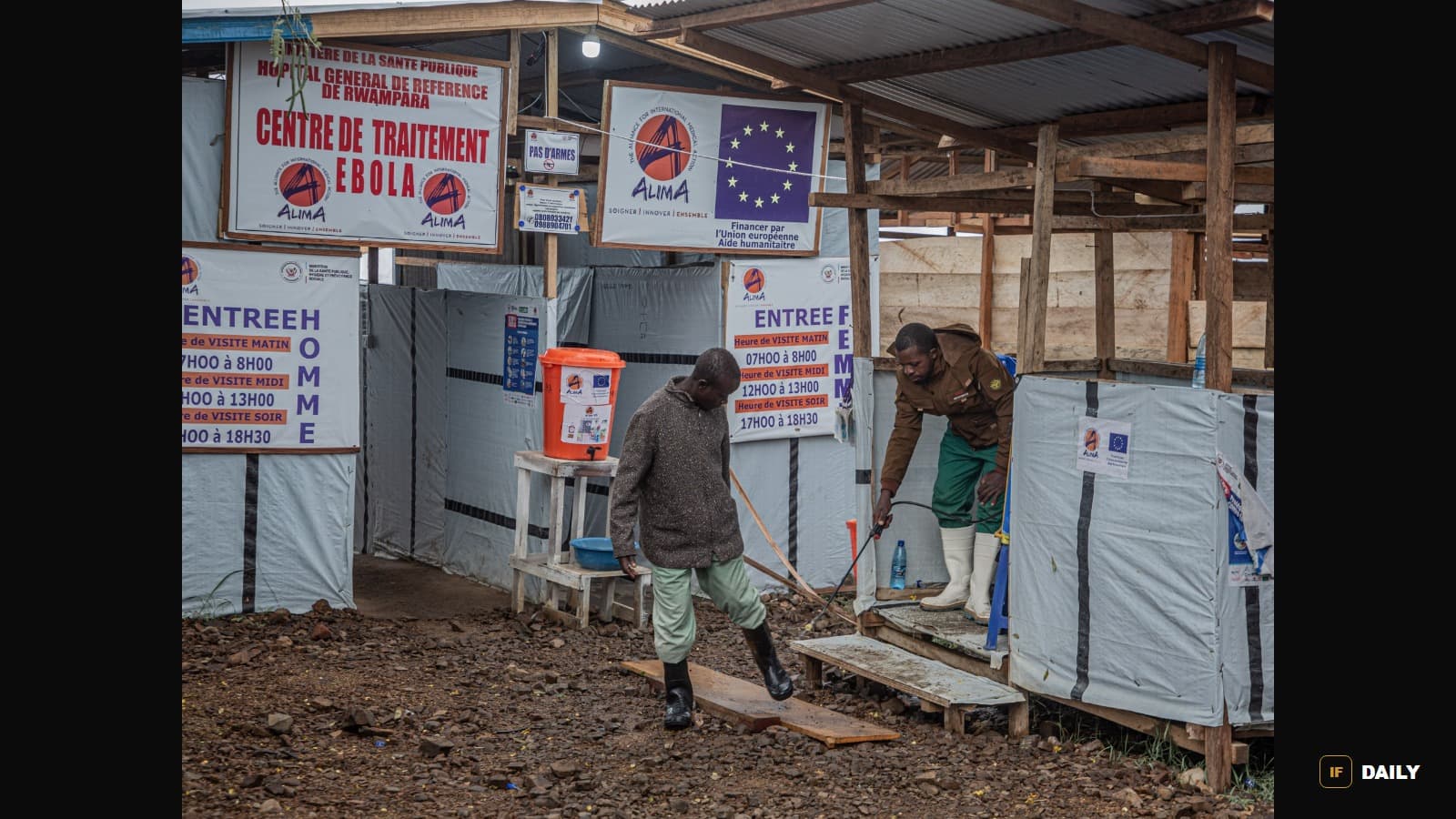
The Democratic Republic of Congo's Ebola outbreak recorded one of its highest weekly death tolls yet, with government data reported Saturday showing 317 deaths in the previous seven days alone, as health workers struggle to keep pace with what officials describe as the fastest-spreading Ebola outbreak on record.
The scale of the crisis
As of Saturday, the outbreak had recorded 5,514 confirmed cases and 2,642 deaths, an overall fatality rate of roughly 48%, though the rate climbs to nearly 69% in North Kivu province specifically. Some experts believe the true case count could be up to three times higher than reported, given how many people are dying outside formal treatment centers. According to reporting on the outbreak, it has produced seven times more deaths at this stage than the 2014-2016 West Africa Ebola epidemic, history's deadliest, which ultimately killed more than 11,000 people.
Where it started, and why it's spreading fast
The outbreak is believed to have been circulating since February around the mining town of Mongbwalu in Ituri province before being officially declared on May 15; Ituri remains the current epicenter, alongside neighboring North Kivu. Health authorities say most new cases are being found outside previously monitored contact networks, complicating containment, while rebel activity, population displacement, delayed payments to health workers, community mistrust and misinformation about the disease have all hampered the response.
A vaccine race against time
Congo received a first shipment of more than 16,000 doses of the Ervebo Ebola vaccine on August 21, part of a larger allocation of 70,000 doses announced by the WHO and partners. Of that total, 20,000 doses are earmarked for a clinical trial to study the vaccine's effectiveness against the Bundibugyo strain of the virus responsible for this outbreak, a strain the vaccine is not currently licensed to protect against, with the remaining 50,000 doses intended for frontline and health workers. A timeline for wider rollout has not yet been announced.