For three decades, every June 4th, tens of thousands of people filled Victoria Park in Hong Kong holding candles. No marches, no speeches calling for anyone's overthrow — just candles, held for a few hours, in memory of what happened in Beijing's Tiananmen Square in 1989. It was the only large-scale public commemoration of that crackdown allowed anywhere on Chinese soil, and the people who organized it did so openly, under their own names, for thirty years.
On Friday, a Hong Kong court sentenced three of those organizers to years in prison for it.
The Sentences
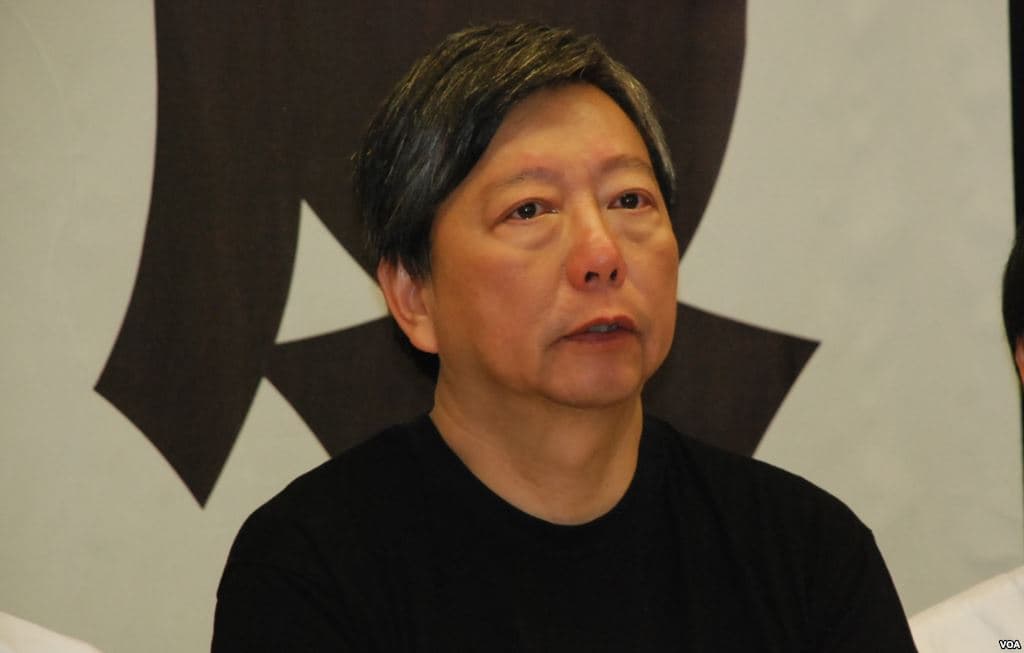
Chow Hang-tung, a human rights lawyer who represented herself in court, received seven years and three months. Lee Cheuk-yan, a former opposition lawmaker, was sentenced to seven years. Albert Ho received five years and two months — a lighter term, in part because he pleaded guilty, while Lee and Chow did not.
All three were convicted earlier this year of "inciting subversion" under the national security law Beijing imposed on Hong Kong in 2020. The charge centered on one line from the group's platform: a call to "end one-party dictatorship." Prosecutors argued that line, on its own, implied an intent to undermine Communist Party rule.
No Violence, Still "Serious"
What makes the ruling notable is what the judges themselves conceded. They acknowledged the Hong Kong Alliance in Support of Patriotic Democratic Movements of China — the group behind the vigils — used no violence or threats, and proposed no specific plan or timeline for the change it called for. They sentenced the three organizers to years in prison anyway, writing that the offense was "serious" because it occurred during a "turbulent social atmosphere" that posed a "greater risk to national security."
Even when the defendants believed their agenda ... might breach the constitution, they acted recalcitrantly after the national security law took effect.
From the court's written ruling
Legal scholar Urania Chiu, reviewing the ruling, put it more plainly: "The mere possibility that its activities might stir up hostility against the state ... is enough for the court to classify the offence as 'serious.'" Hong Kong police chief Steve Li offered a different read, warning that anyone considering similar action should "take heed of the sentences and not test the government's resolve."
What the Families Said
Lee Cheuk-yan's wife, Elizabeth Tang, was in the courtroom. "The sentence is also a punishment for many other people," she said afterward. "It's very hard to accept."
Chow Hang-tung's mother, Medina Chow, recalled a conversation with her daughter from years earlier: "Many years ago, my daughter already said that she wants to have a proper debate with them one day." Chow herself, arguing her own defense, told the court the verdict suggested "pursuing democracy is a crime" and that she did not believe she deserved "even one day in prison."
What Happens Next
Lee and Chow both plan to appeal their sentences. The Hong Kong Alliance itself no longer exists in any functioning form — the vigils it ran for thirty years were banned in 2020, officially over pandemic restrictions, and Victoria Park hasn't hosted one since. Whatever the appeals decide, the group that kept the memory of June 4th publicly alive in Chinese territory for three decades has now had three of its leaders sentenced, one by one, to years in prison for having tried.