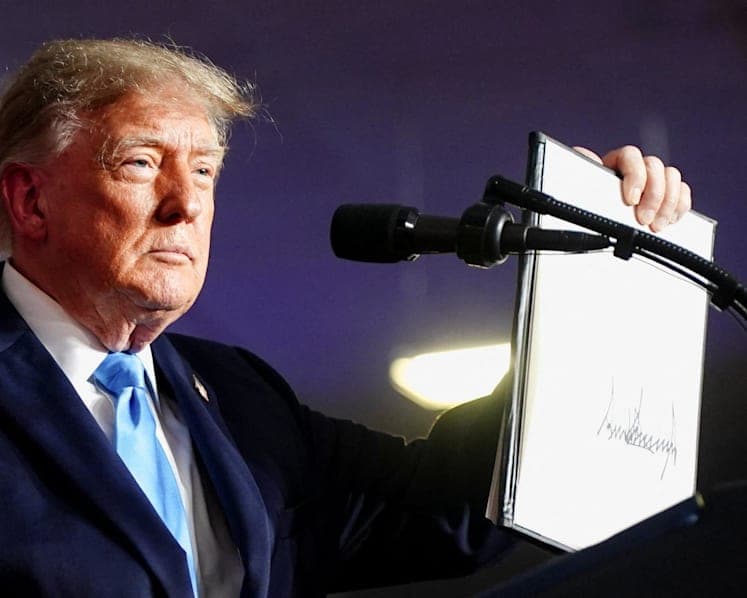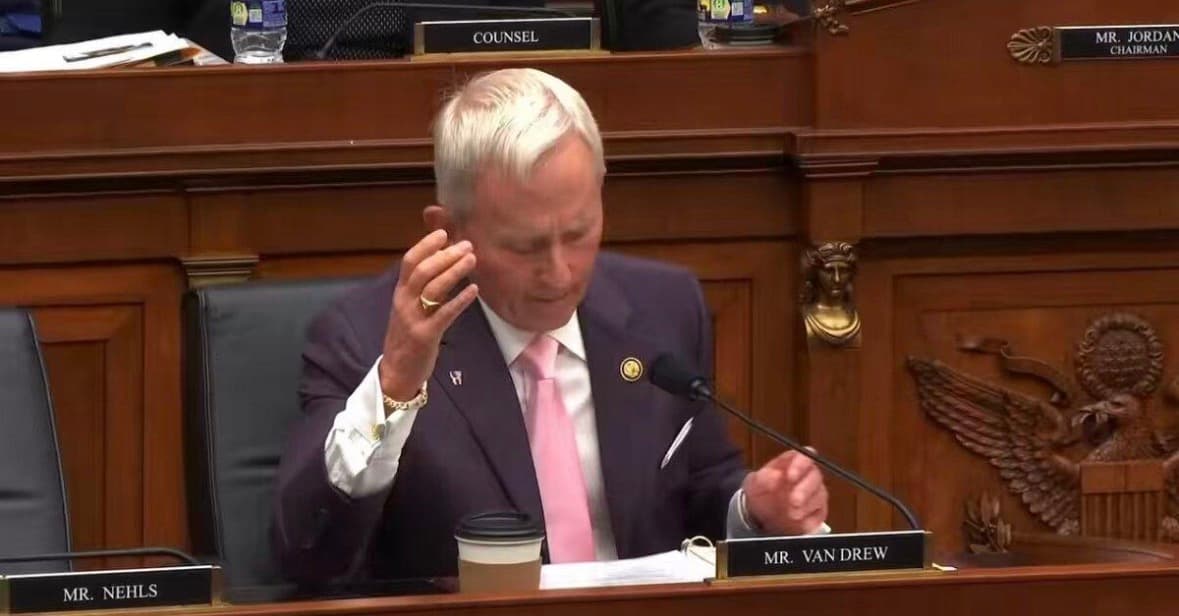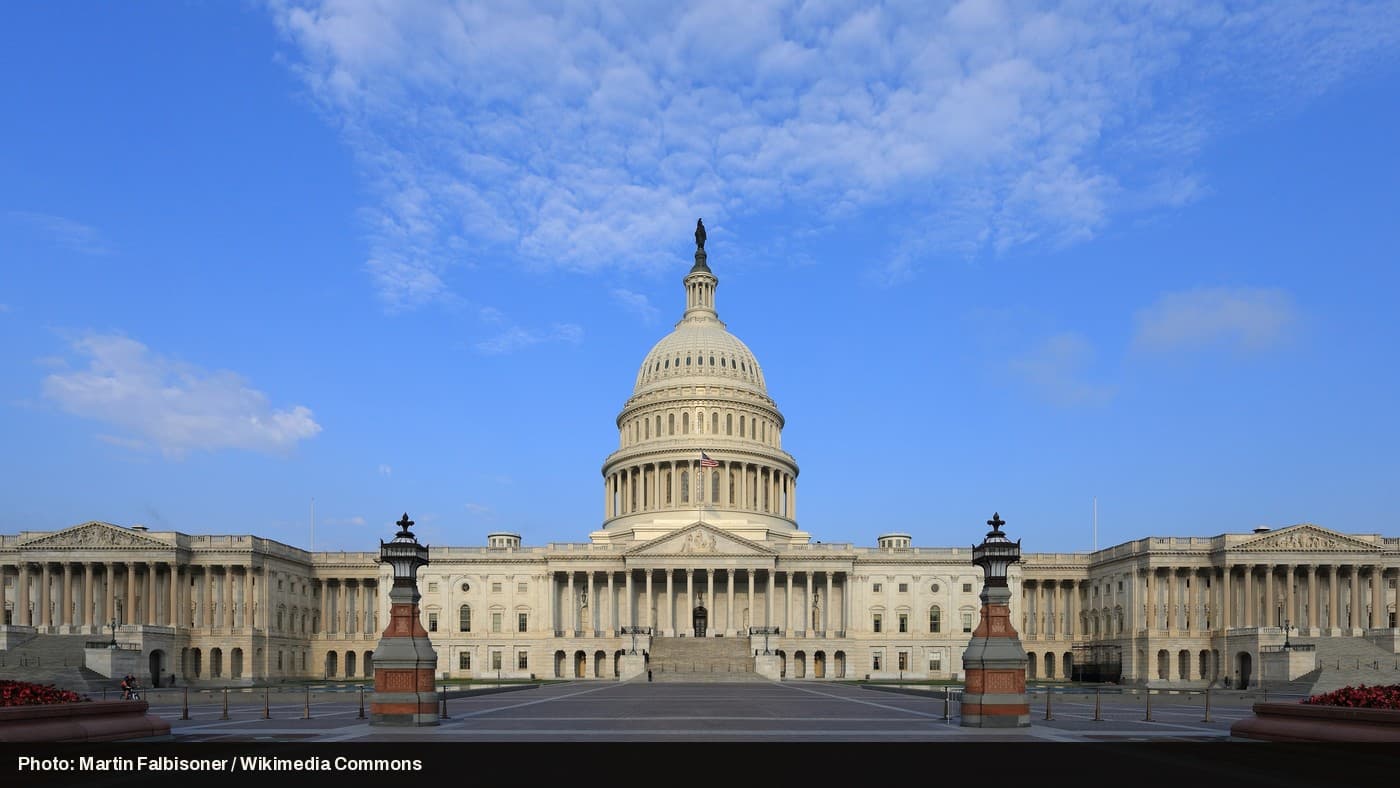
The House passed a sweeping package of sanctions targeting Russia on Wednesday, sending it to President Trump's desk in the most significant Ukraine-related legislation to clear Congress since he returned to office. The vote was 262-159, with Republicans overwhelmingly in favor and Democrats badly split.
The bill is named for the late Senator Lindsey Graham of South Carolina, who spent more than a year negotiating it before his death. It targets Russian officials and banks, along with the "shadow fleet" of tankers that moves Russian oil and gas around Western sanctions. It also directs the president to impose tariffs of up to 100% on the top five importers of Russian oil or natural gas, with an exception for countries that import less than 15% of Russia's exports and have been cutting their purchases.
A Party Split Down the Middle
Republicans backed the bill 203-7. Democrats split almost the opposite way: only 58 voted yes, while 152 voted no. Rep. Michael McCaul, a Texas Republican, framed the vote as a test for the countries the bill targets: "These countries have a choice to make about whether they will continue to sustain Putin's aggression."
Democratic Rep. Steny Hoyer of Maryland, one of the yes votes, put the stakes in blunter terms: "If we fail to pass this bill, there will be cheers in the Kremlin and tears in Kyiv."
Nearly Two Years of Gridlock
Getting the bill to a floor vote took nearly two years of negotiation, and lawmakers say the breakthrough came only after a five-year extension of Iran sanctions was added to the package to win the administration's support. The bill now heads to Trump, who is expected to sign it.