Two weeks ago, it was Hurricane Lala. Then Tropical Storm Moke. This week, it was Hurricane Lowell — the third named storm to hammer Hawaii in less than a month, and the one that finally turned deadly.
What Lowell Actually Did
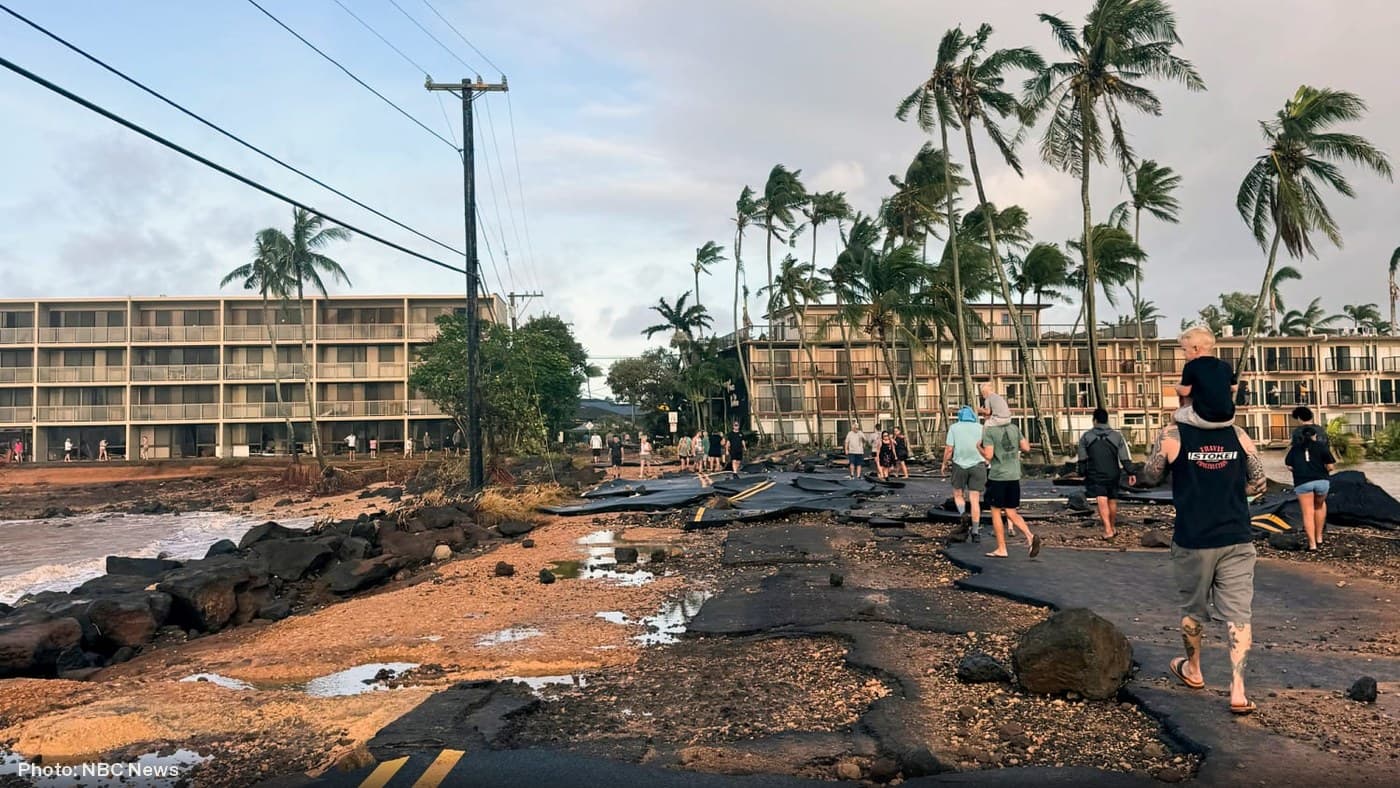
Lowell never technically made landfall. It didn't need to. Passing just west of the islands, it dragged in intense wind and rain that hit Kauai hardest, dumping up to 18 inches in the higher elevations. Storm surge buckled and washed away stretches of road, tore down sections of home walls, and sent water rushing through at least one resort lobby, overturning furniture as it went.
On Lanai, the island's cargo port — the main way food and fuel reach its roughly 3,300 residents — was knocked completely out of service. On Kauai, the local utility reported nearly all of its 35,000 members without power.
The Two Deaths
Police on Kauai found the body of a 74-year-old man along the shoreline near Nōmilu Fishpond; officials believe his death was tied to Lowell's storm surge. On Oahu, in Waimānalo, a man was killed when a large tree came down on him as the storm passed by. Gov. Josh Green estimated the total damage at "hundreds of millions of dollars."
A Third Storm in a Month
What makes Lowell land differently is what came before it. Hurricane Lala and Tropical Storm Moke struck the islands just two weeks apart in August, and many communities were still cleaning up from those storms when Lowell arrived. There's no real recovery window between hits — just one storm's damage layered on top of the last one's.
What Happens Next
Green formally asked President Trump this week for a major disaster declaration to speed up federal aid to Kauai and Maui counties. Until that comes through, or doesn't, the cleanup — power restoration, road repair, getting Lanai's port running again — is largely a local and state effort, running on an island chain that hasn't had a real break from named storms since August.