Every time he saw the rescue crews' lights moving through the dark of the tunnel, Lu Haitao shouted. Again and again, for days, the lights would sweep past and keep going. Nobody heard him.
He was 225 meters inside a flooded tunnel at the Trishuli-3A hydropower plant in Nepal's Rasuwa district, trapped since a glacier collapse ripped through the valley on August 26. On September 5 — ten days later — Nepali soldiers and South Korean disaster specialists finally reached him.
I couldn't believe it.
Lu Haitao, on being found
What Hit the Valley
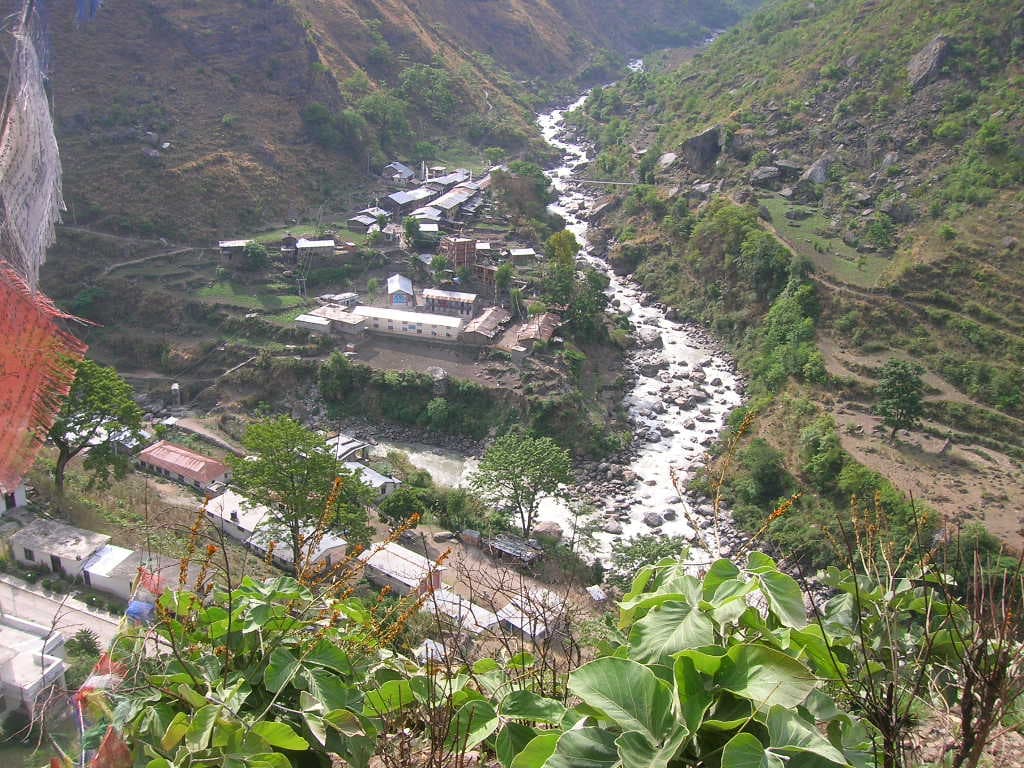
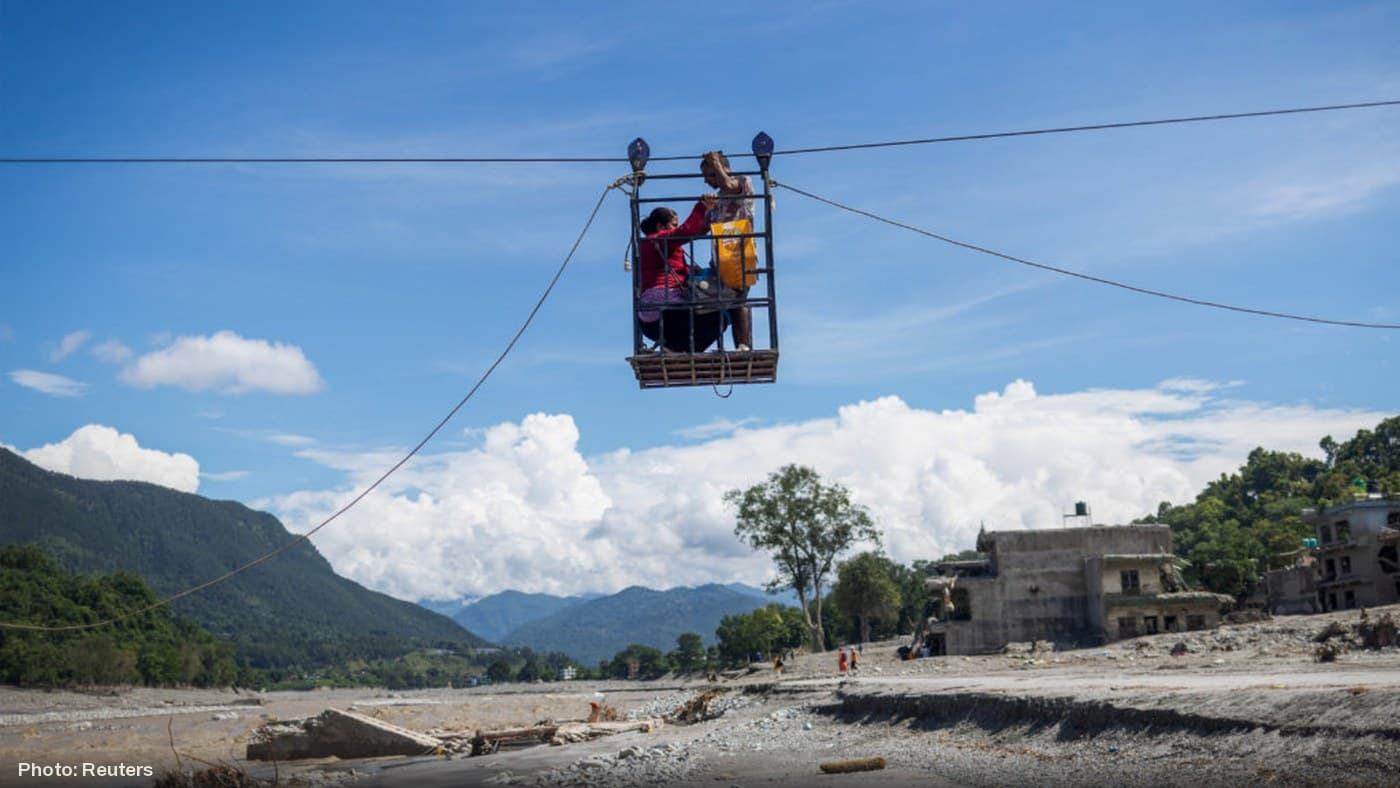
The disaster started with a glacier collapse on August 26 that sent water, rock and ice tearing through valley communities in Nepal and across the border into Tibet. It's still one of the deadliest natural disasters the region has faced in years. As of the most recent count, Nepal alone has confirmed 1,369 dead, with roughly 5,326 people still missing — including 589 foreign nationals. Tibet has recorded at least 31 deaths and 531 missing.
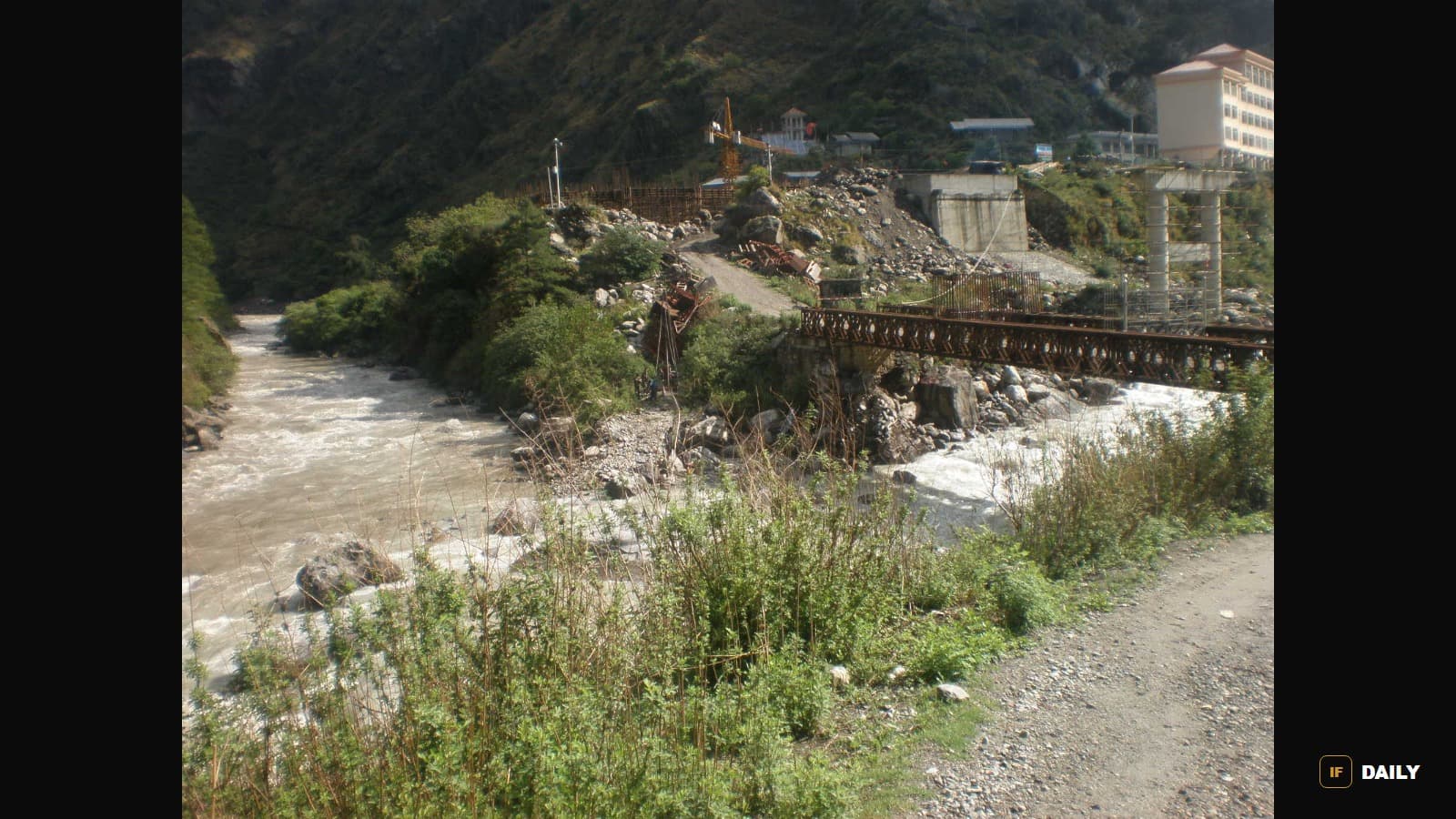
Hydropower sites like the one Lu worked at were especially exposed — built along the same rivers the flooding tore through. Roughly 900 workers went unaccounted for at hydropower projects in the disaster's immediate aftermath, with an estimated 500 believed trapped inside flooded tunnels like the one Lu was in. The U.S. State Department has been tracking around 75 American citizens unaccounted for across the affected Nepal-Tibet border region.
Ten Days Underground
Lu wasn't alone in being found alive that day. Rescuers also pulled 64-year-old Chandika Kumari Shrestha from the wreckage of her collapsed home in neighboring Nuwakot district, where she'd been trapped since the same day the glacier gave way. She was dug out of the mud, given water, and airlifted to Kathmandu alongside Lu, who was treated for mild hypothermia.
Both rescues came a full ten days after the disaster began — well past the window when most search operations quietly shift from rescue to recovery. Officials didn't say that shift had happened here. It's part of why these two rescues mattered as much as they did to the teams still searching: proof that ten days in, in the right conditions, someone can still be found alive.
What's Still Unfolding
The search isn't close to over. With thousands still listed as missing on both sides of the border, and hundreds of workers still unaccounted for at hydropower sites along the same river systems, rescue teams are continuing to work through debris fields, collapsed tunnels, and buried villages, days and now weeks after the water first came through.
Lu Haitao's family in China spent those ten days not knowing whether he was alive. For them, and for the families of the thousands still waiting on word of someone else, September 5 was the day the odds moved, just slightly, back in their favor.