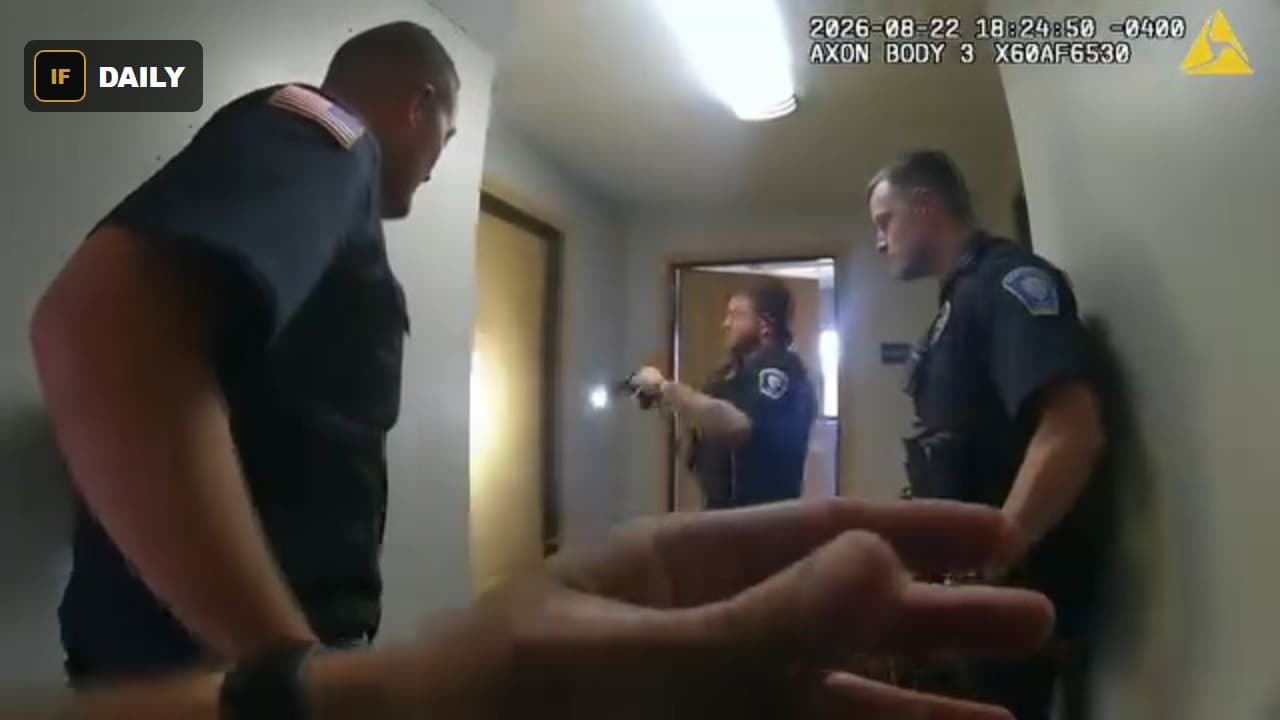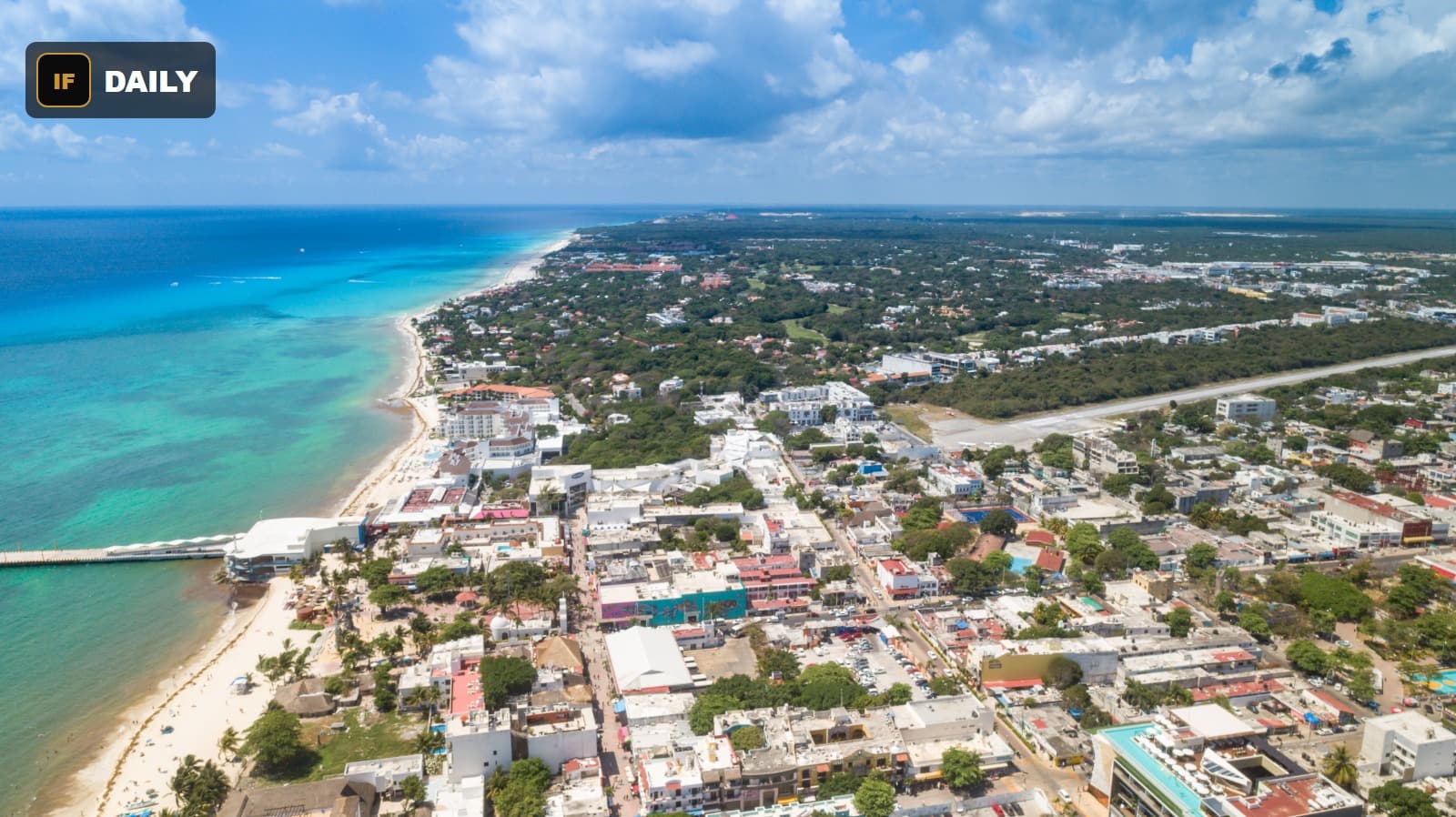
Kiara Agnew was turning 24, and she and her boyfriend had picked a five-star resort in Playa del Carmen to celebrate it. They planned to go sailing, snorkeling, see the Mayan ruins. Somewhere in the twelve hours after they arrived, she was beaten to death in the resort's laundry room. A cleaner found her body. Her boyfriend, Ryan Friesen, was found nearby, covered in blood, with swollen fists and bruises of his own.
That was March 3, 2023. More than three years later, the legal case over what happened in that laundry room still hasn't ended — it has just kept reversing itself, once already and possibly again.
What the Evidence Showed
Kiara, from Dawson Creek, British Columbia, had grown up in New Brunswick before moving north to work at a credit union. Ryan Friesen was also from Dawson Creek. He was arrested and charged in her death almost immediately.
His defense turned on a single piece of forensic evidence: DNA from an unknown man was found under Kiara's fingernails. Ryan's own DNA was not. His lawyers argued that pointed to someone else entirely, and that her injuries were, in their words, too severe to have been caused by a single attacker. A retired Toronto homicide investigator who later reviewed photos of Kiara's injuries for W5, the CTV newsmagazine that has covered the case extensively, described them as consistent with domestic homicide, saying she'd been "beaten horribly."
In September 2024, a Mexican judge found Ryan not guilty in a judge-only trial. He returned home to Canada. Mexican authorities did not pursue further charges at the time.
"I Just Want the Truth"
Kiara's family didn't accept that as the end of it. In March 2025, they protested outside Mexico's consulate in Calgary. Their message was simple, and it was less about a specific verdict than about the process itself: "I just want the truth."
Femicide — killing a woman because of her gender — has been part of Mexico's federal criminal code since 2010, added amid a national reckoning over violence against women. Whether that framework had actually been applied fairly in Kiara's case was exactly what the family was asking Mexican authorities to reconsider.

The Reversal
On January 23, 2026, a Mexican appellate review overturned the not-guilty verdict. A magistrate declared Ryan guilty. The state's deputy prosecutor, Aroshi Lugo Arana, said the case against him had been established "beyond any reasonable doubt" and that "the crime was committed by Ryan."
Kiara's father, Trevor Agnew, told local reporters he'd been informed by prosecutors that the evidence against Friesen was overwhelming, and called the reversal a step in the right direction. Her aunt, Tanya, put it more bluntly: "Now we can say, Ryan Friesen murdered Kiara Agnew."
Now we can say, Ryan Friesen murdered Kiara Agnew.
Tanya Agnew, Kiara's aunt
Friesen's Side
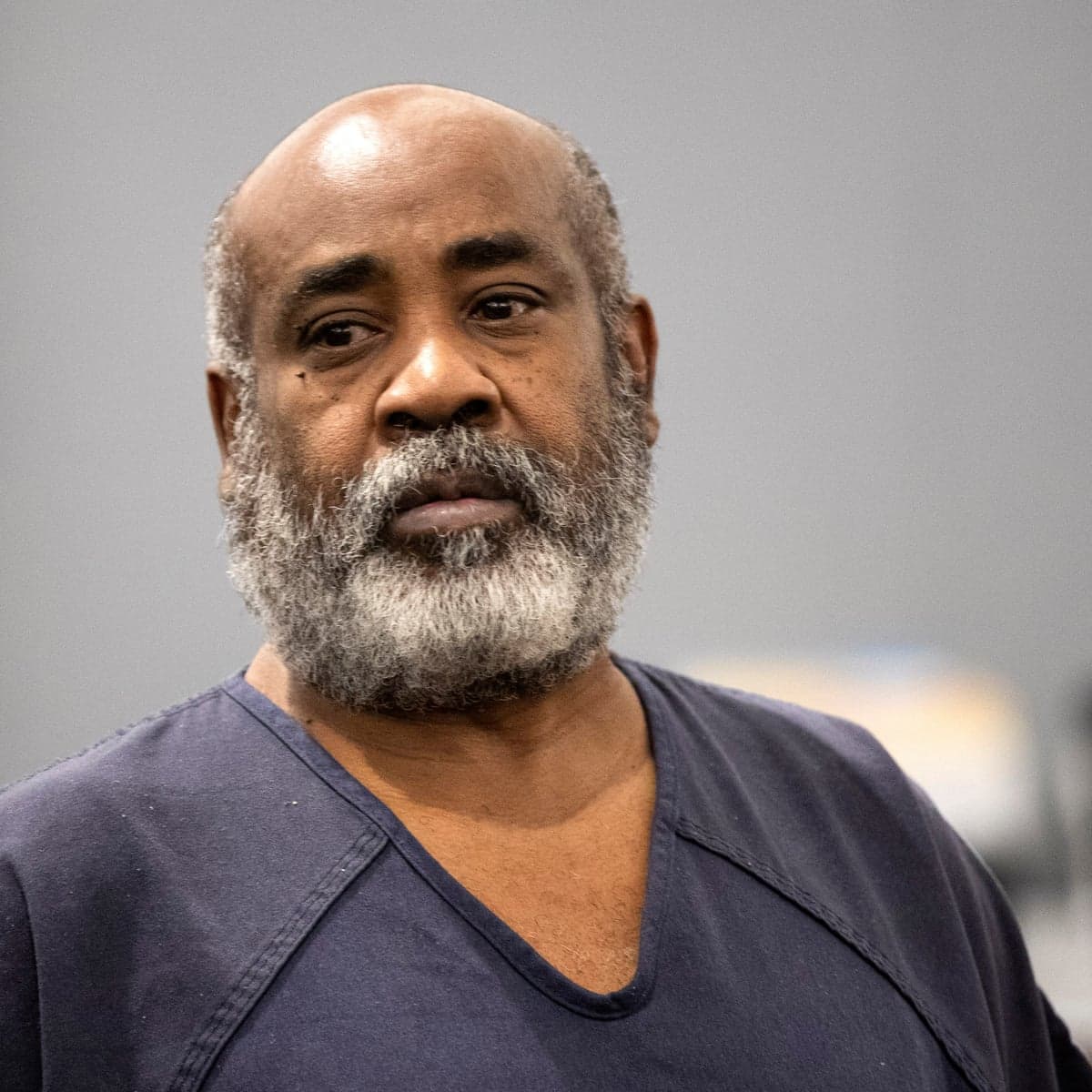
Friesen has maintained his innocence throughout, including in a public statement released around the time of the reversal. In it, he wrote that two unknown men and an unknown woman were responsible for Kiara's death, pointed again to the DNA findings under her fingernails, and thanked what he described as family members who "believe in my innocence." His lawyer has filed an appeal of the guilty ruling. It will go before a panel of three federal judges, a process that could take anywhere from three months to a year and a half. Friesen remains in Canada; as of the most recent local reporting, police in Dawson Creek had not been notified of any arrest.
One detail surfaced during the case's most public phase, when Friesen's stepfather said Ryan had suggested a cartel was responsible for Kiara's death. When a member of the Sinaloa Cartel was asked about that claim by reporters, he denied it and called it "a lie," saying cartels target tourists only in the course of crossfire or business disputes, not inside a resort laundry room.
A Law With Kiara's Name On It
In April 2026, Edmonton-area MP Ziad Aboultaif introduced a motion in Canada's House of Commons called Kiara's Law. It would require mandatory forensic autopsies when Canadians die under suspicious circumstances abroad, strengthen consular support for families navigating foreign justice systems, and give the Canadian government more authority to intervene when a foreign case appears to stall.
If she would have had a forensic autopsy when she got here, we would have had piece of mind.
Tanya Agnew, on the case for Kiara's Law
Where It Stands
As of now, the guilty verdict against Ryan Friesen stands, but it is not final — his own appeal is still working through Mexico's federal court system, with a resolution not expected for months at the earliest. He faces up to 50 years in prison if that appeal fails. If it succeeds, the case reverses again.
What isn't in dispute is the starting point: a 23-year-old woman went to Mexico to turn 24, and never came home. Everything since has been an argument, through two verdicts and counting, over who is responsible for that.
IF DAILY — Real Stories • Real Talk • Real Impact. Follow @officialidaresitfrank for more.