For about a day, Missouri didn't really know which congressional map it was using. On Tuesday, a Supreme Court justice left one map in place. Hours later, a federal judge ordered a different one. On Thursday, the Supreme Court stepped back in.
The fight is over which map draws Missouri's U.S. House districts for November — the one Republicans passed in 2025, or the one the state used before it. A Kansas City seat held by Democratic Rep. Emanuel Cleaver is what's actually at stake.
How Missouri ended up with two maps
In 2025, Missouri's Republican-controlled legislature passed a new congressional map, and Gov. Mike Kehoe signed it into law. The map redrew Cleaver's 5th District to make it far more competitive for Republicans — turning Missouri's 6-2 U.S. House delegation into a potential 7-1.
A group called People Not Politicians Missouri gathered enough signatures to put the new map to a statewide vote. Under Missouri law, a valid referendum petition suspends the law it targets until voters decide — meaning the new map was, legally, supposed to be on hold.
Missouri's primary in August was held under the new map anyway. Then, in early September, the Missouri Supreme Court ruled unanimously that the referendum petition was valid, and ordered the state to use its older, 2022 map for the general election instead.
Two courts, two answers, one day
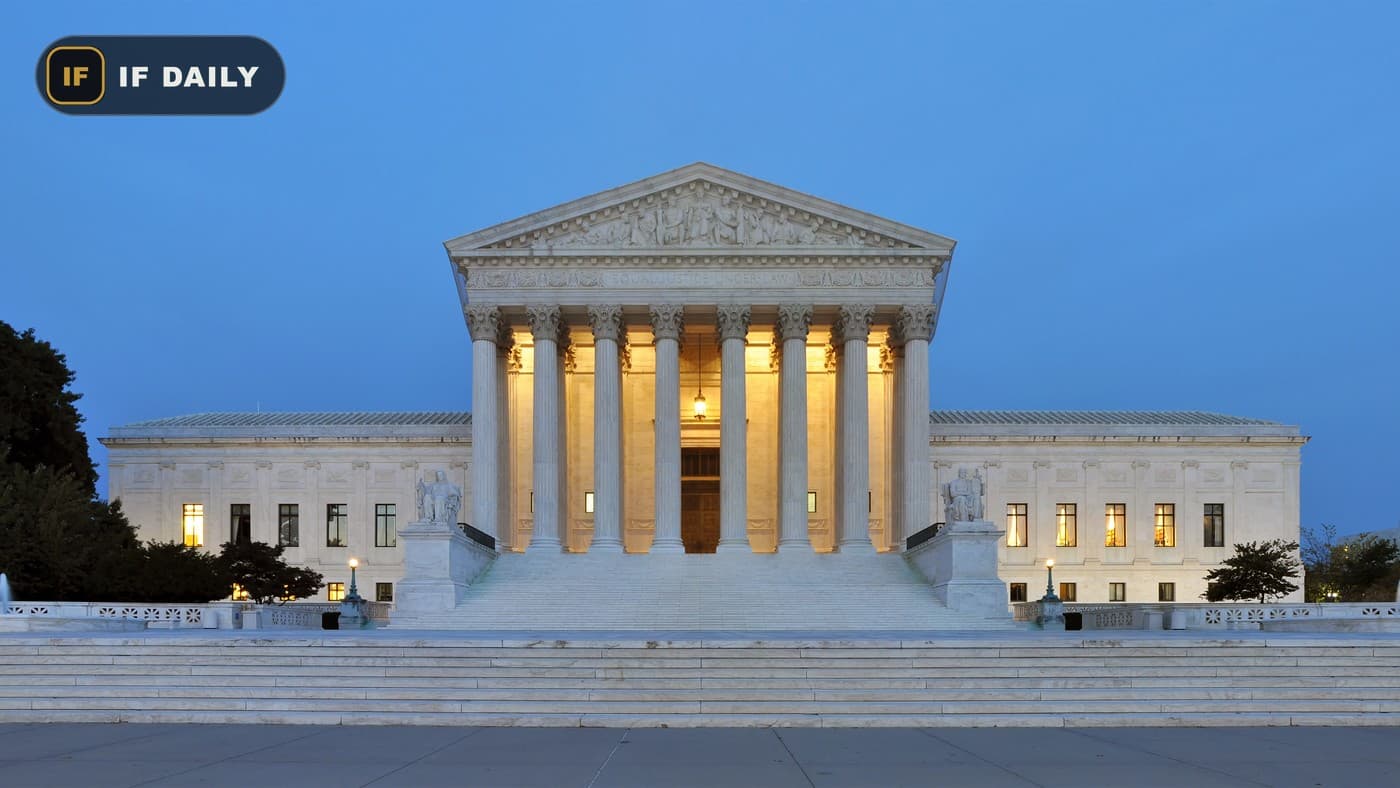
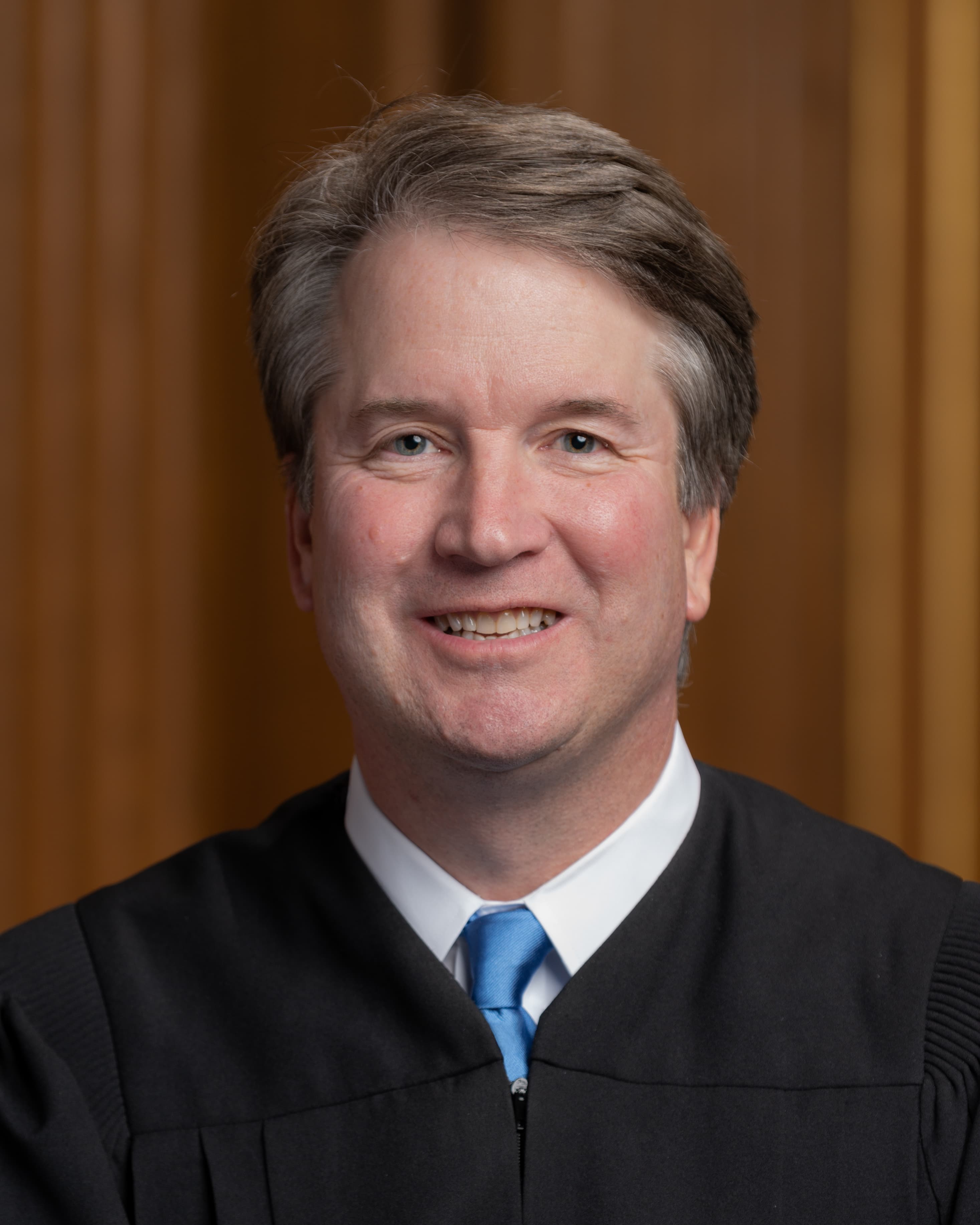
Missouri Republicans asked the U.S. Supreme Court to step in and let them use the 2025 map anyway. On Tuesday, Justice Brett Kavanaugh, handling the emergency request, turned them down — leaving the Missouri Supreme Court's ruling in place.
Hours later that same day, a different federal judge reached the opposite conclusion. U.S. District Judge Stephen Clark, appointed by President Trump, ruled that Missouri had to use the 2025 map for November, reasoning that switching maps between the primary and the general election could itself violate the 14th Amendment's equal protection clause.
Extraordinarily burdensome.
Missouri Republicans' court filing, describing a last-minute switch back to the 2022 map
Following Clark's ruling, Gov. Kehoe and Missouri Attorney General Catherine Hanaway, both Republicans, said on social media that the 2025 map would be used for November.
The Supreme Court steps back in
On Thursday, the full Supreme Court issued its own order — unsigned, with no dissents noted — again blocking the 2025 map. For now, Missouri's 2022 map is what election officials are using to prepare November's ballots.
The case isn't fully settled. A panel at the Eighth Circuit Court of Appeals is still reviewing Judge Clark's order separately. Missouri's deadline pressure is real: local election officials had to finalize ballot language by September 8, and the first ballots are due to be mailed September 19.
Why it matters beyond Missouri
Republicans hold a narrow majority in the U.S. House, which is part of why a single Missouri seat has drawn national attention — and why redistricting fights like this one are playing out in several states ahead of November. Missouri Republicans argue that switching maps this close to an election is unworkable. The referendum's backers argue voters, not lawmakers, should get the final say on a map drawn to target a sitting member of Congress.
For now, the 2022 map stands. But with an appeals court still reviewing the case and ballots due out in days, Missouri's district lines could still change again before November.
The photo above is Justice Brett Kavanaugh, whose Tuesday order — and Thursday's full Supreme Court order alongside it — are what's currently keeping Missouri on the 2022 map.