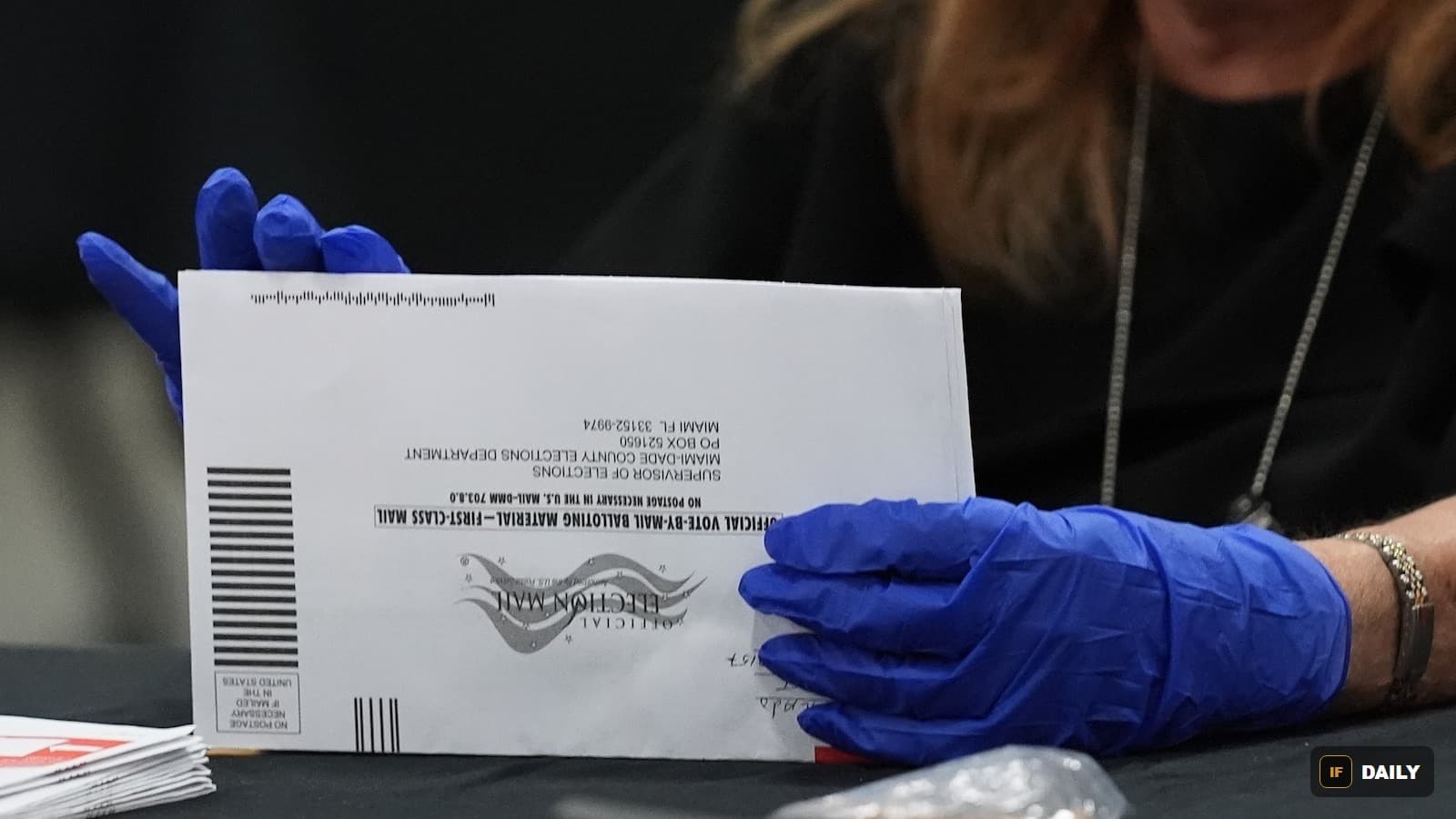
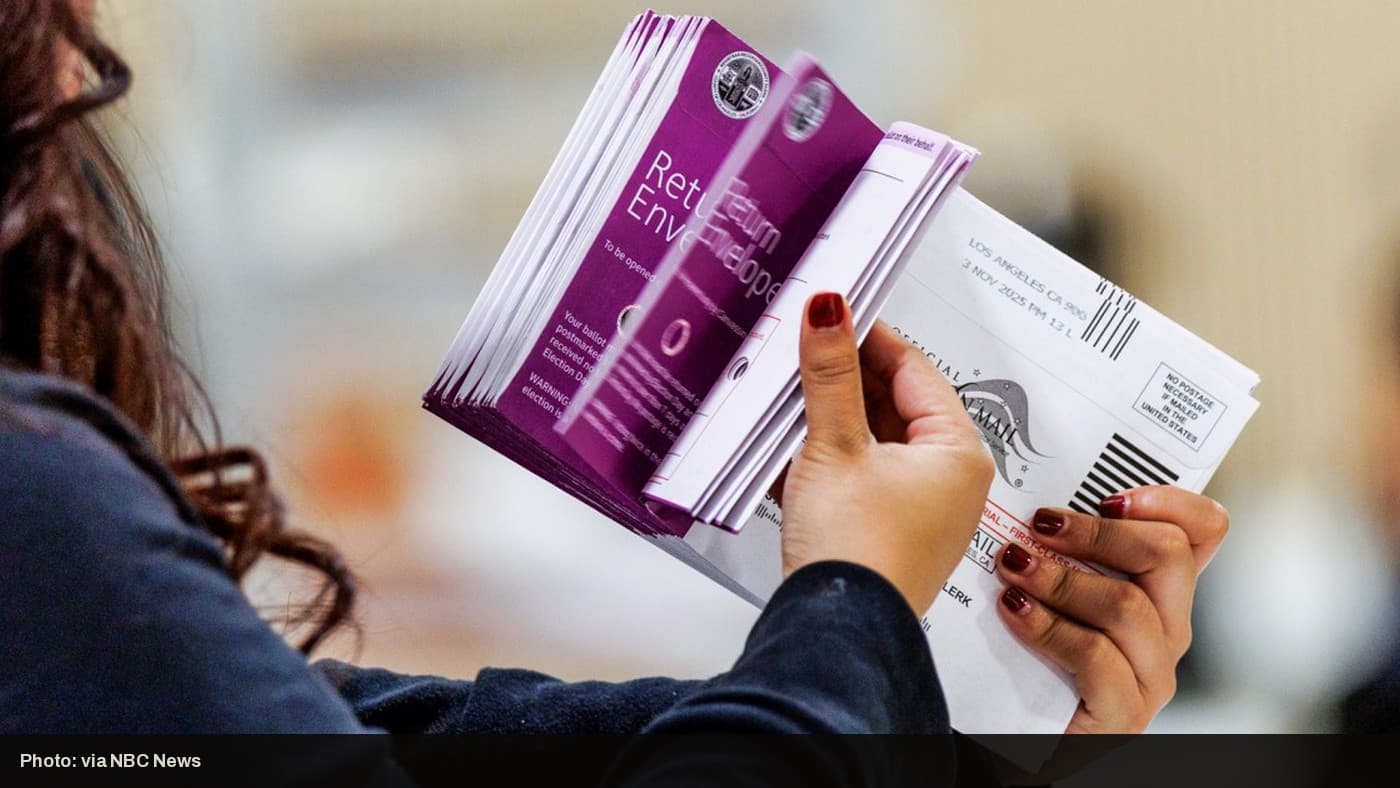
The Supreme Court ruled 6-3 on September 25, 2026 to let the Trump administration resume using an expanded federal citizenship database to help states screen their voter rolls for noncitizens -- lifting a lower court order that had blocked it, and doing so just weeks before the November midterms.
What the database actually is
The Systematic Alien Verification for Entitlements program, known as SAVE, was created by Congress in 1986 to help government agencies quickly check immigration status for people applying for benefits like Social Security. The Trump administration expanded the system in 2025, adding Social Security Administration data and enabling bulk searches -- turning a benefits-verification tool into something states can use to screen entire voter rolls at once.
What the Court decided
The conservative majority found that a 1996 law requires the Department of Homeland Security to respond when states ask for citizenship-verification information, and said DHS could not be blocked from answering those requests. The majority also noted that a separate law, the National Voter Registration Act, bars the broad purging of voter rolls in the weeks immediately before an election -- which it said limits how much practical impact this ruling can have on the midterms specifically. States can still make individualized citizenship queries about particular voters.
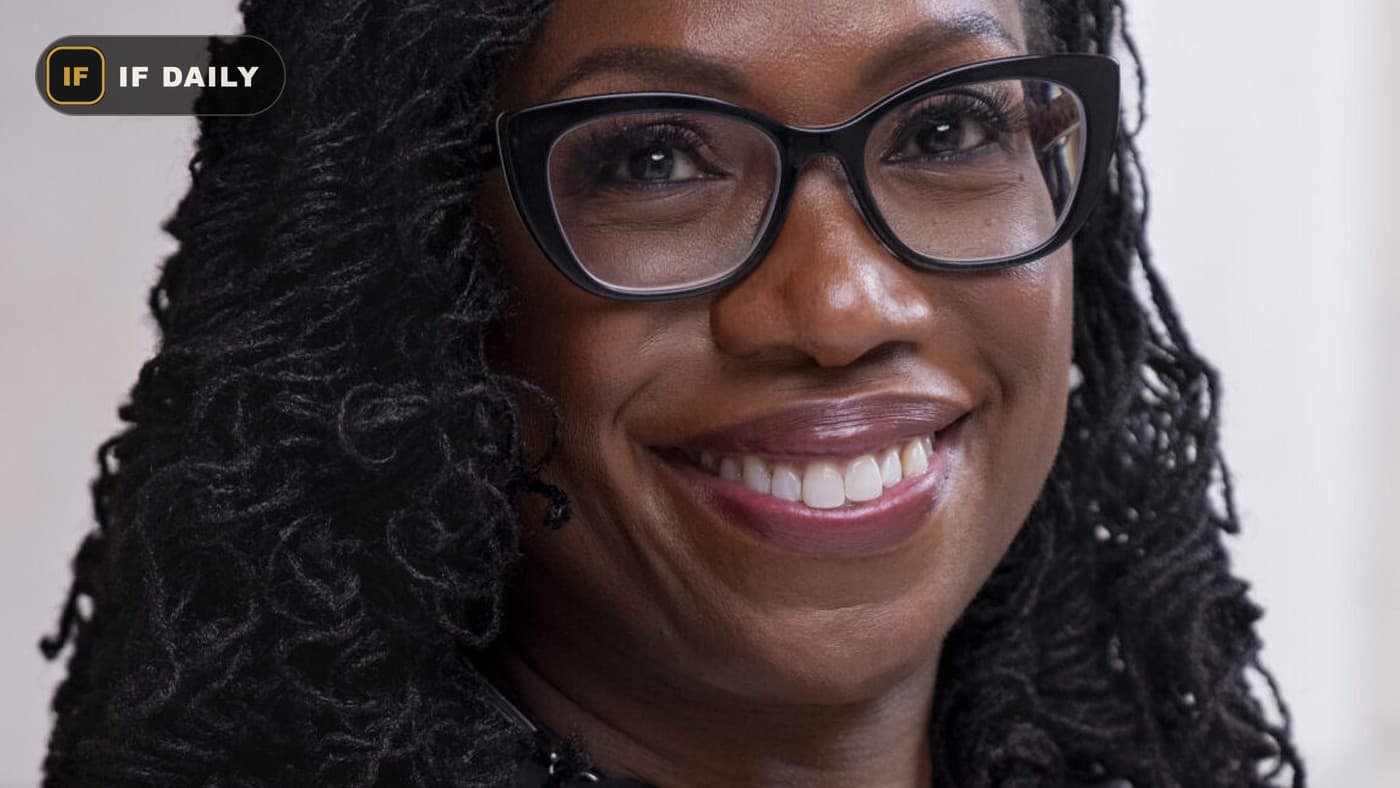
Justice Ketanji Brown Jackson dissented, joined by Justices Sonia Sotomayor and Elena Kagan. Jackson wrote that "the harm caused by burdening or disenfranchising even a few lawful voters outweighs the (state's) nonexistent harm" in being temporarily blocked from using the expanded system.
Why critics say the system is unreliable
Voting-rights groups including the League of Women Voters argue the database has a track record of misflagging eligible, naturalized citizens as noncitizens. A Travis County, Texas election official has said roughly 25% of the system's noncitizen matches in that county involved people who had already proven their U.S. citizenship. Separate reporting found even higher error rates in St. Louis County, Missouri. In Texas, officials flagged a number of registrations through SAVE but ultimately charged only three people with illegal noncitizen voting.
The administration's case
Solicitor General D. John Sauer argued for the administration that the lower court's block "threatens the integrity of upcoming elections" by preventing the federal government from responding to states trying to verify who is on their voter rolls. Backers of the ruling, including the Honest Elections Project, framed it as restoring a basic tool for election integrity.
With the ruling in place, states can resume submitting citizenship-verification requests through the expanded SAVE system ahead of November, while the broader legal fight over the database's accuracy and use continues.