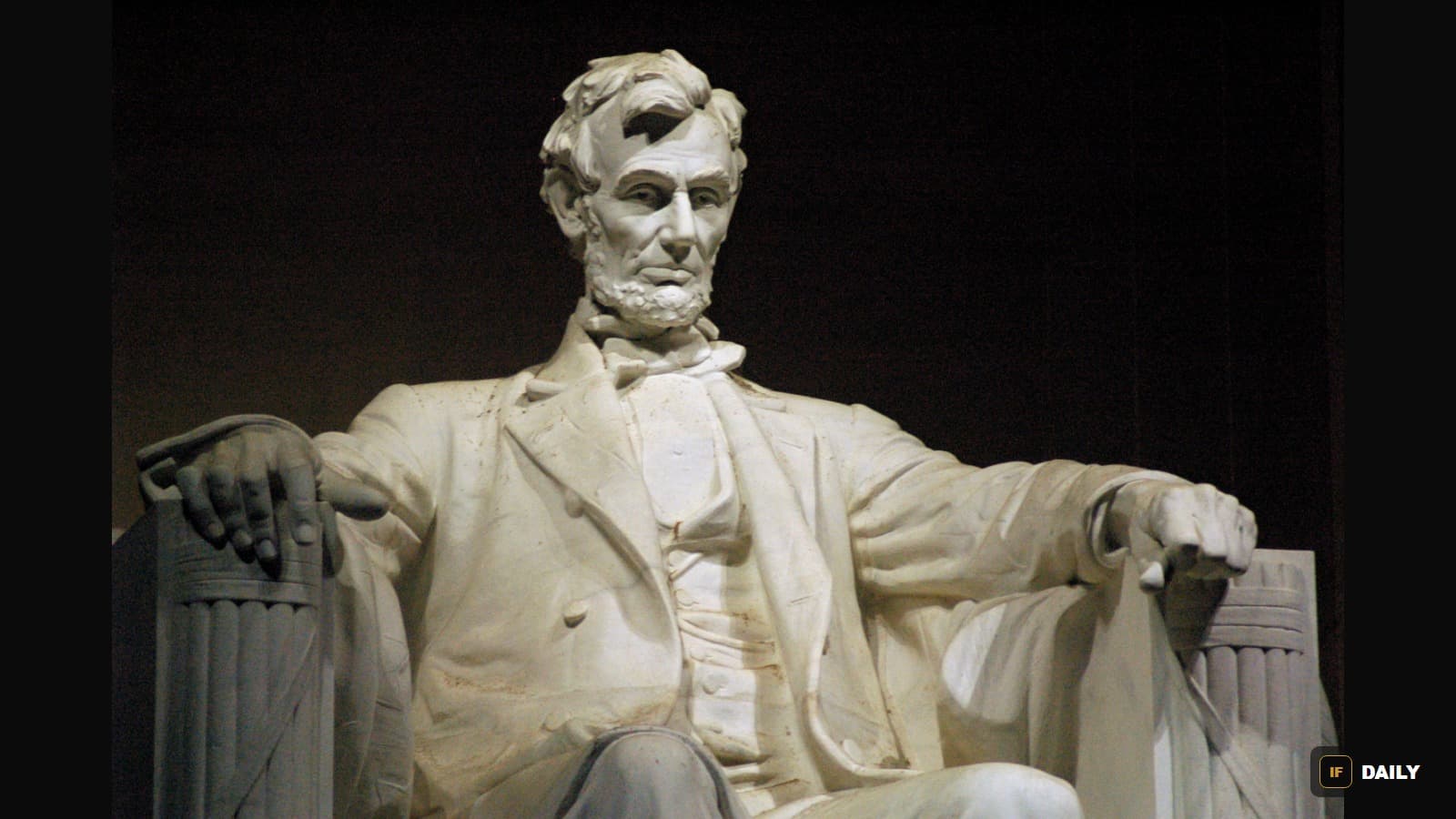
Sixty-three years to the day after Martin Luther King Jr. stood on the steps of the Lincoln Memorial and told the country about a dream, thousands of people gathered on the same ground on Friday, August 28, 2026, for a very different kind of message: a warning that the right they came to defend is being taken apart in real time.
A March Built Around One Word: Defend
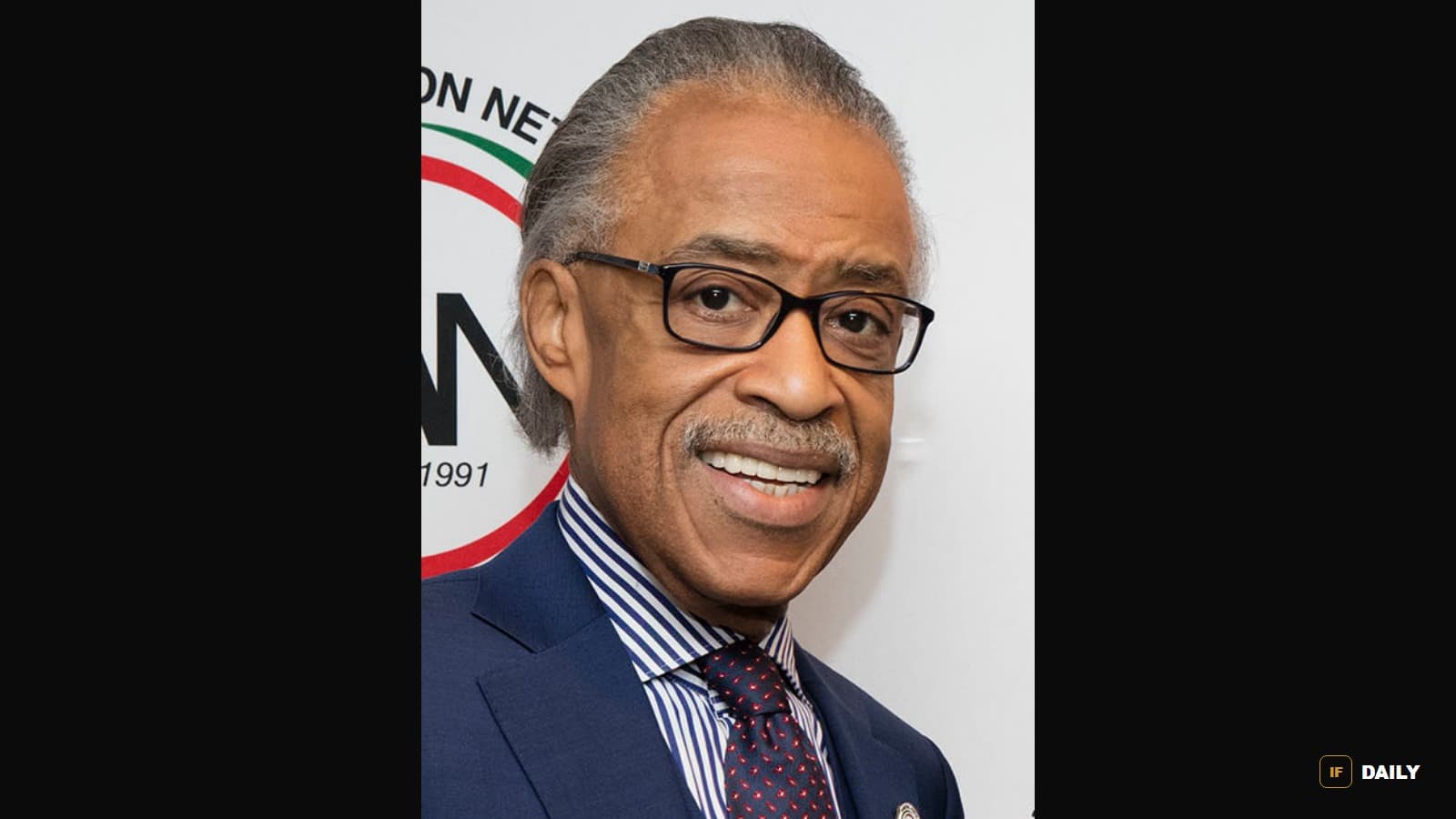
The event, called March on Washington 2026: Defend the Vote, was organized by Rev. Al Sharpton's National Action Network and the King family's Drum Major Institute, co-chaired by Sharpton, Martin Luther King III, and Arndrea Waters King. Nearly 100 civil rights, labor, faith and community organizations backed the event, from the NAACP to FairVote to the AFL-CIO's Metropolitan Washington Council. Organizers set three goals: defend the vote, defend civil rights, and fight for economic justice.
Crowds began gathering at 8 a.m. for programming that ran from 9 a.m. to 1 p.m. at the Lincoln Memorial on the National Mall — thousands in total, according to reporting from the day, including union members, students, members of Black Greek-letter organizations, and people who had traveled from across the country.
Who Showed Up
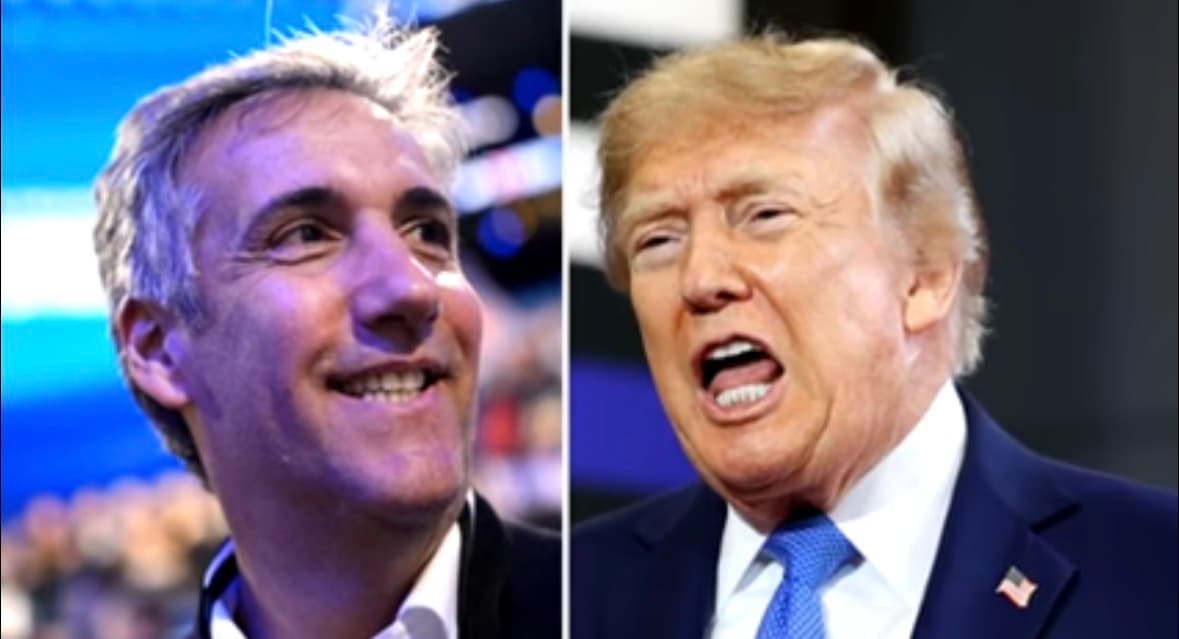
This was not just a rally of activists. House Minority Leader Hakeem Jeffries and Virginia Governor Abigail Spanberger spoke alongside Rep. Alexandria Ocasio-Cortez and Sen. Bernie Sanders — sitting members of Congress standing next to civil rights organizers, a deliberate pairing of institutional power and grassroots pressure. Sanders used his remarks to name the moment directly: "Today, we have a president along with the Supreme Court members he appointed carrying out the most significant assault on voting rights since segregation, targeting virtually every aspect of the electoral system."
What They Were Actually Protesting
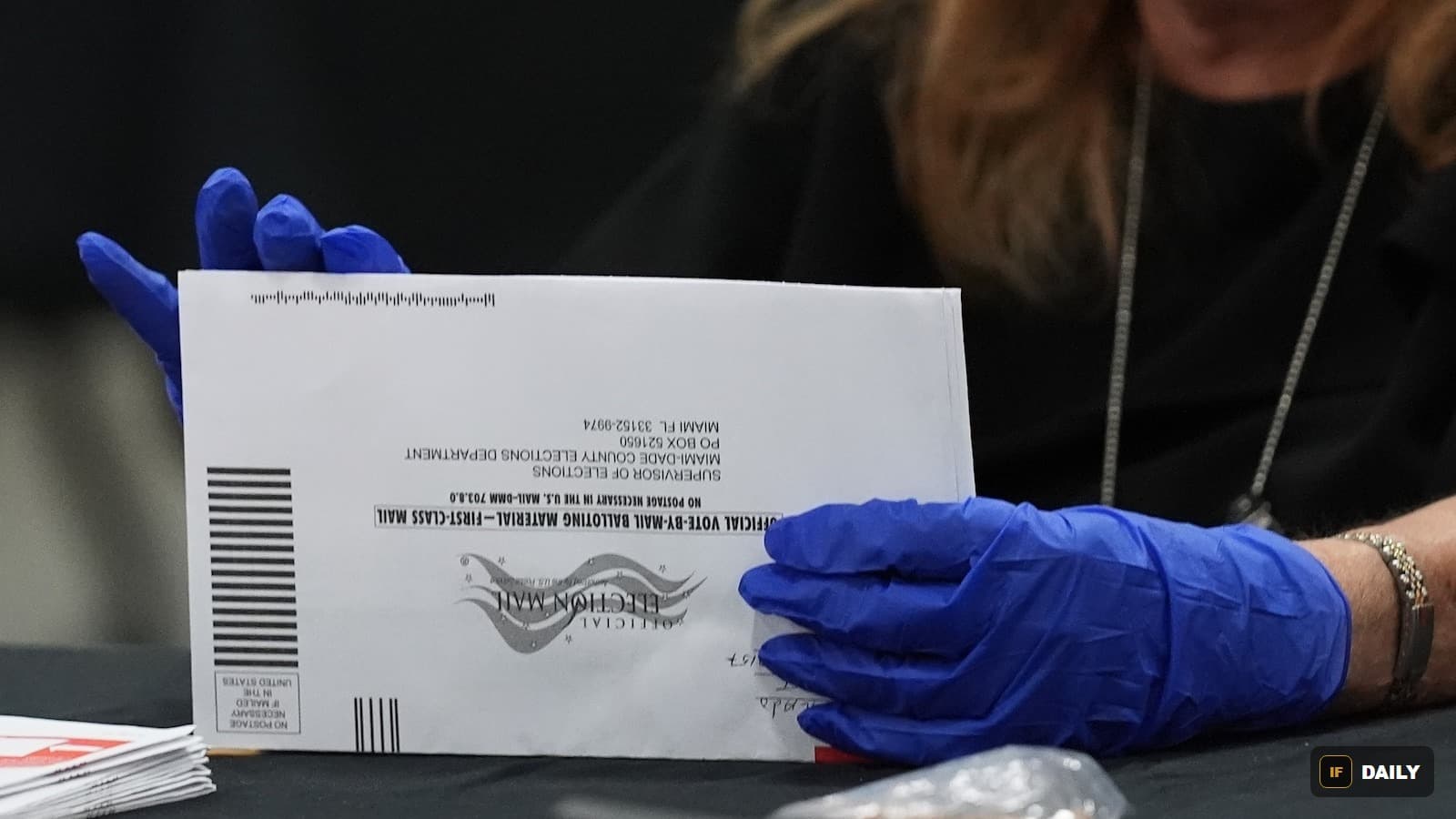
The march wasn't a reaction to a single moment — it was a response to a legal shift that's been building for months. On April 29, 2026, the U.S. Supreme Court ruled 6-3 in Louisiana v. Callais to significantly weaken Section 2 of the Voting Rights Act, the provision that bars discriminatory voting maps and procedures based on race. In her dissent, Justice Elena Kagan wrote that the ruling "renders Section 2 all but a dead letter." Voting rights groups say the decision has already opened the door for states to redraw congressional and state legislative maps, county commissions, city councils, and school boards in ways that dilute the political power of Black and minority communities — the exact kind of maps Section 2 used to be able to block.
Sixty-Three Years, Same Steps
The date wasn't a coincidence. Organizers deliberately scheduled the march for the anniversary of the 1963 March on Washington for Jobs and Freedom, where King delivered his "I Have a Dream" speech from the same spot. Martin Luther King III framed it that way from the announcement: "Sixty-three years after my father stood at the Lincoln Memorial, we are called to march again, not only in remembrance, but in action." Arndrea Waters King called it "a moral call to protect democracy for every generation."
What Happens Next
The march arrives roughly two months before the November midterm elections, and organizers were explicit that turnout, not just visibility, is the point — pushing attendees toward voter registration and mobilization efforts in the states most affected by new maps and voting procedures. Whether Friday's crowd translates into votes in November is, as with every march like it, the open question that won't be answered until election night.